
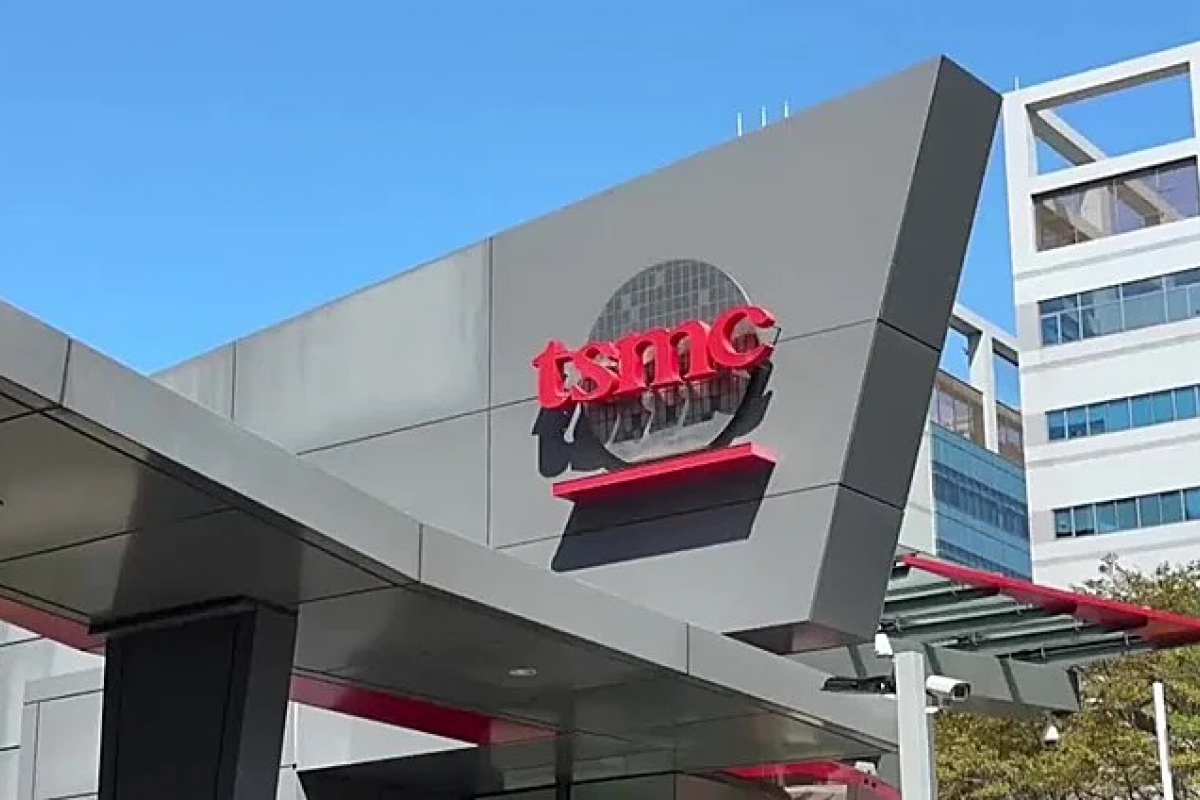
TSMC studies motors without rare earths for its factories due to the risk of supply cuts from China
TSMC’s quest to reduce its dependence on rare earths has reached one specific piece of its factories: the motors of some automated equipment. According to an investigation, the Taiwanese manufacturer has consulted suppliers about the possibility of using engines manufactured without these materials.
The information comes from three sector executives familiar with the conversations. TSMC has not commented on the news and the consultations have not yet resulted in a widespread replacement of the equipment. For now we are talking about an evaluation of suppliers, not a new production line that already works with alternative engines.
The consultation affects factory automation
Chip manufacturing facilities use numerous systems that move materials and components within a highly controlled environment. Some industrial engines incorporate magnets made with rare earths.
The three directors mentioned assure that the company has asked its suppliers if motors free of rare earths could be used. One of them attributes the initiative to concern about possible interruptions in supplies from China. Two of the sources clarify that the talks are in an early phase and that there is not yet a wide deployment of modified equipment.
The company has also not specified which specific machines it examines.what engine technology could replace the current one or which suppliers are involved. Without this data, it is not possible to calculate how many components would be affected or estimate the time frame for an eventual transition. Nor has an investment to adapt existing factories been reported.
The news does not indicate that TSMC is going to change the materials of its wafers or the composition of its customers’ processors. The subject of the conversations are motors used in plant automation equipment.
Chinese restrictions explain the search for alternatives
Last year, China submitted certain rare earth materials, magnets and technologies related to its processed to export controls requiring licenses. The measures have led different industries to review the components whose availability depends on that supply chain. In the case of a semiconductor factory, a part that is difficult to replace can affect equipment necessary to maintain activity, even if it is not part of the finished chip.
Rare earth magnets are commonly used in motors that move industrial machinery parts. The information warns that a shortage of specialized components could impact the manufacturing of mobile chips, data centers, artificial intelligence systems and other sectors. This is a supply risk, not a confirmed disruption at TSMC plants.
The answer being studied by the manufacturer is not necessarily equivalent to dispensing with all rare earths in a factory. Known query is limited to reciprocating engines on automated equipment. Other components of the manufacturing chain may have different needs and suppliers, for which the sources do not provide details.
Taiwan is also studying to strengthen its supply
The movement attributed to TSMC coincides with public initiatives to reduce dependence on China. The information indicates that the United States and Taiwan have proposed expanding supply sources and processing capacity for critical minerals. In February, Taiwanese Minister of Economy Kung Ming-hsin announced support for the Industrial Technology Research Institute to develop technologies linked to rare earths.
According to that proposal, The institute would work on a pilot production line within three yearswith the aspiration of covering approximately half of Taiwanese domestic demand. The institute itself confirmed that it was planning a project with the ministry’s industrial technology department. That supply initiative is different from TSMC’s consultation on engines and does not confirm that the manufacturer’s future equipment will use parts produced there.
The investigation thus leaves a precise status: TSMC is exploring options for some engines with its suppliers, but has not announced a change in machinery, a schedule or test results. It will be necessary to know which components exceed the demands of a chip factory before talking about effective replacement.
