
The first reviews of the iPhone Duo agree on the excellent finish, but criticize the lack of adapted apps
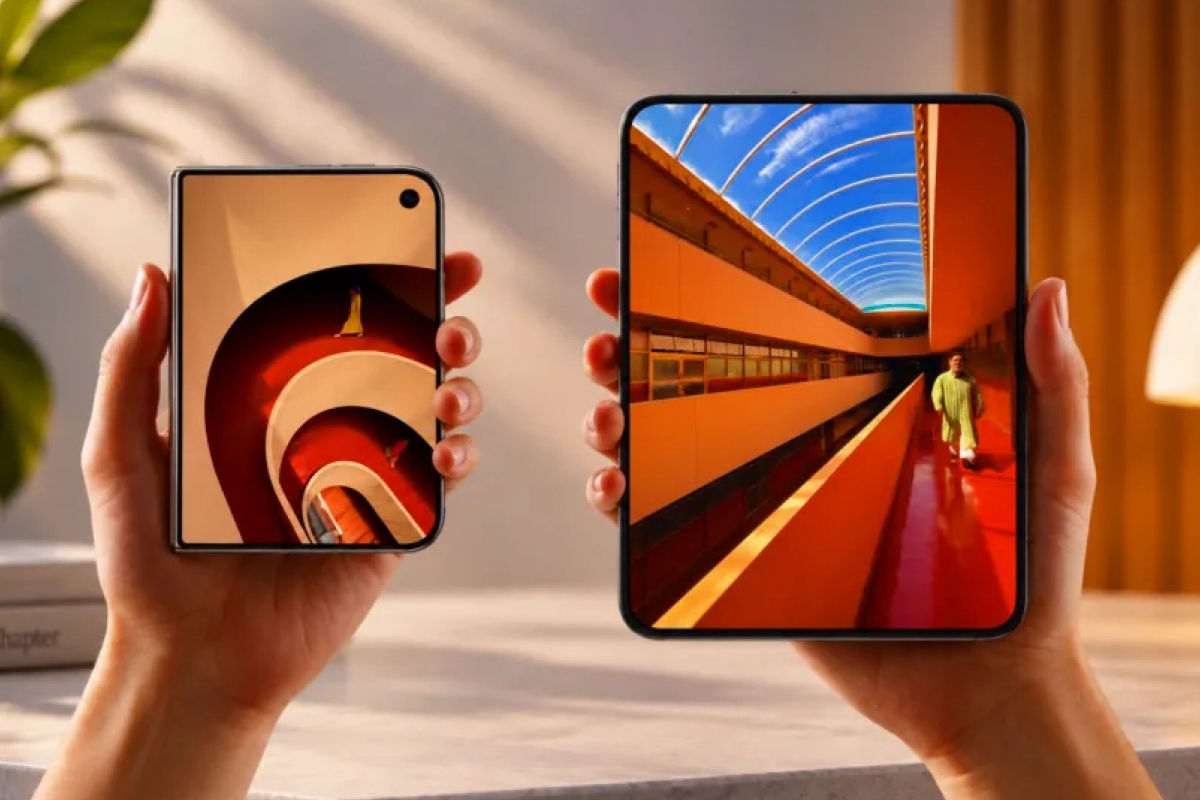
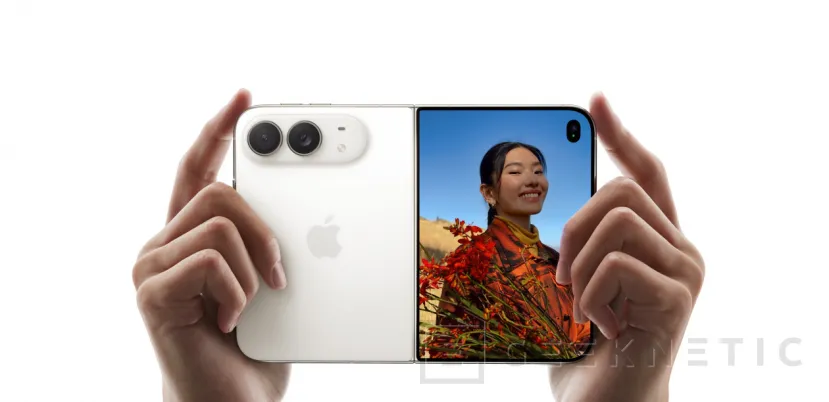
The iPhone Duo is already on the streets and, as usual, the first thorough tests have arrived almost all at once. The major American media and several independent analysts have spent about a week with Apple’s first foldable, a device with a 5.4-inch exterior screen, a 7.6-inch interior screen with a matte finish, 4883 mAh battery and a starting price of 2,339 euros in our market.
We already told you that the conclusions are not unanimous, although they do agree quite a bit on what works and what doesn’t. We have delved into them to find out what the highlights and shadows of the iPhone Duo are.
The good thing is that it is a folding that does not seem like a first generation due to its construction.
The clearest consensus is on the part that we can touch. For example, The Verge highlights the nano-textured matte coating of the interior screen, which they describe as a leap compared to folding ones with glossy panels and much more obvious folds. In addition, they explain that the fold is barely visible, although it can be noticed with the finger.
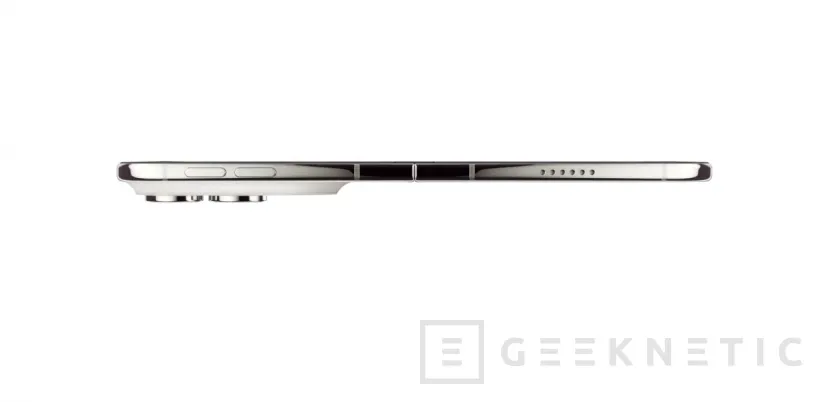
Jaron Schneider, at PetaPixel, goes further and argues that Apple’s solution is far superior to that of the Galaxy Fold seriesin addition to highlighting the Grade 5 titanium chassis, a hinge whose resistance changes depending on the angle and speakers that it considers to be the best on the market. Mark Ellis, who tried it before anyone else, sums up that matte screen as a very wise decision.
In WIRED, Julian Chokkattu gives it a 7 out of 10 and argues that the passport format works better than the elongated foldables of recent years, precisely, like the Galaxy Z Fold8 Ultra. Likewise, the hinge that stays still at any angle and the IP68 resistance stand out.
The same analyst also speaks well of the autonomy, since he ends most days at around 40% and reaches six hours of screen on with the remaining 45%. When an app is customized, he adds, the split screen looks great. Schneider, from Peta Pixel, agrees on this point from another angle, because he considers that editing photos in Lightroom or Afterlight on that panel is the best experience that you have had on your mobile.
And in the photographic section, DPReview reports that almost all the analyzes praise being able to take self-portraits with the main camera, while Michael Fisher considers these cameras the best of a foldable for sale in the United States.
The bad, a tiny external screen and a catalog of half-made apps
The most repeated reproach point to the closed screen. Patel and Johnson calculate that it offers 90% of the area of an iPhone 18 Pro. Therefore, they compare it to using an iPhone 5 in the Pro Max era. In general, the feeling is that it is a panel that is too small for the current times.
Schneider adds that the lateral strip reserved for controls reduces the useful area below that of the iPhone SE and cannot be operated with one hand in any position. Chokkattu, for his part, points out the 254 grams compared to the 201 of the Galaxy Z Fold8 and the rigidity of multitasking, with the screen always split at 50% and without the possibility of stacking two applications vertically.
The software is the other front. The applications coexist in three states. We have those adapted to the iOS 27.1 SDK, those that only stretch halfway and the old ones, which according to Schneider look bad, with black bands around them. Mitchell Clark recalls in DPReview that Apple was slow to give tools to developers and warns that whoever buys now will find something similar to a beta.
Adding to the negative points is the heat, mentioned in The Vergeon PetaPixel and on WIRED, in addition to a Touch ID that Schneider describes as slow and clumsy. There is also talk of the absence of a telephoto lens that both Chokkattu and the team of The Verge. Chokkattu himself suggests waiting a few months for developers to update their applications.
