
Windows 11 now runs smoother on computers with 8 GB of RAM
The current RAM memory crisis will bring back laptops with less memory, 8GB that seemed missing from even the most basic configurations. To reduce costs, manufacturers are beginning to launch models with this minimum amount of RAM with which Windows 11 works, although Microsoft is making optimizations to improve performance. Microsoft has announced a series of optimizations to improve the operation of Windows 11 on computers with less RAM.
Microsoft improves Windows 11 performance on computers with 8 GB of RAM
Microsoft has announced a series of optimizations that will improve the operation of Windows 11 on computers with 8 GB of RAMthe minimum amount to function. Responsiveness has improved 20%while multitasking performance has improved twice as much, up to 40%. Improvements that come thanks to memory compression, background processes, resource allocation and application loading.
The memory compression and paging It has been improved to optimize for systems with less RAM, where those with 8 GB of RAM will mainly benefit. Microsoft has managed to preserve up to 2 GB additional RAM rather than having to manage them in slower storage. A function that will allow you to reload less frequently when changing tasks between applications and browser tabs.
Foreground operations are now also better managed, adding extra speed of the 20% in tasks as common as opening the Start menu, Settings or File Explorer. In the background, system indexing has been deprioritized, for example, while users are using the computer. Microsoft’s popular Chromium-based browser now also features up to 33% fasterthanks to the fact that it can connect directly to an existing background process.
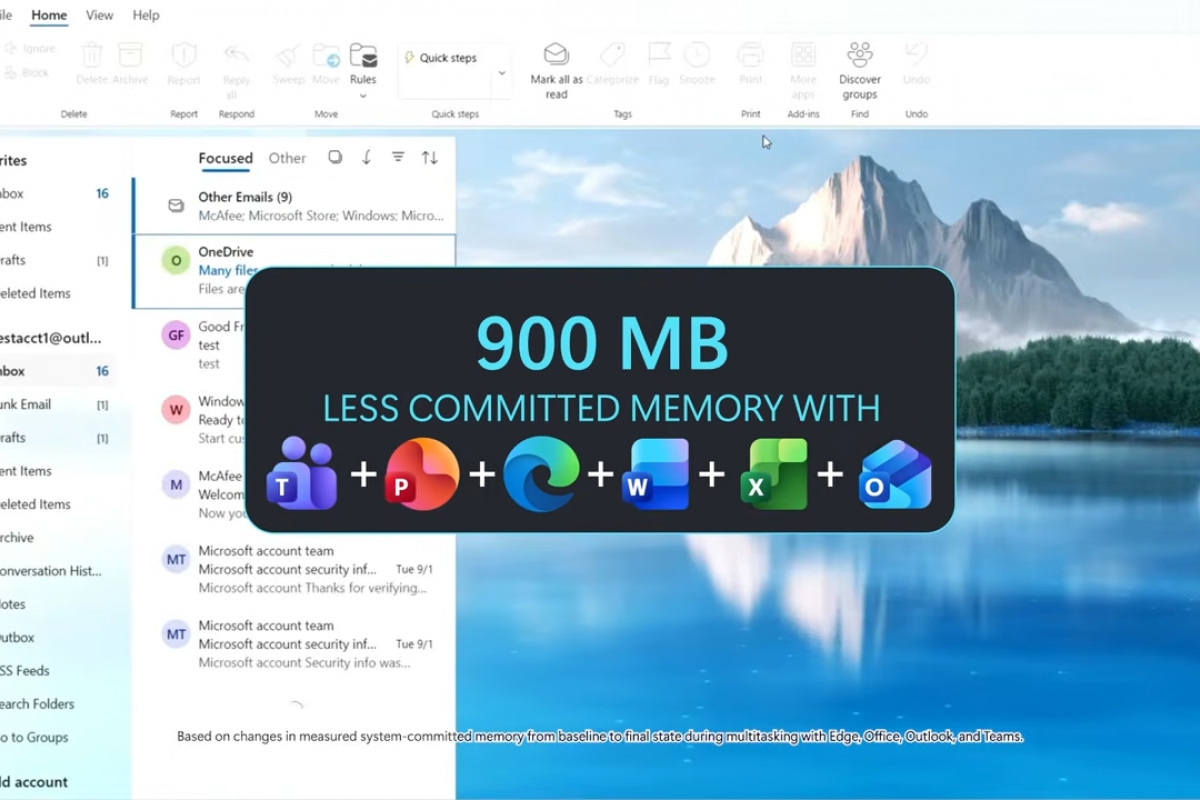
Windows 11 saves up to 900 MB of RAM in multitasking tests
Some tests that have managed to reduce the amount of memory by up to 900MB in multitasking tests, including Microsoft 365 apps. Widgets will also remain idle on systems with 8 GB or less, opening only when needed, saving up to 200MB extra. Edge will contribute to this saving by making the tabs inactive after 15 minutes without using them.
The tests have been carried out with a team of 8GB RAMbut with a Snapdragon X Plus processor that runs Windows on Arm. Played a 4K video, opened 20 Edge tabs, and opened large Microsoft 365 documents with Outlook and File Explorer also open. The new version of Windows has managed to get the job done 40% faster compared to the January 2026 version.
Microsoft will continue optimizing Windows 11 to reduce memory consumption
But Microsoft has indicated that this will not end there, and wants to further optimize the memory of its operating system. New Web engines shared between Widgets and search will save more memory, also in OneDrive and Photos. Other WinUI 3 apps are also being optimized to consume fewer resources and get faster startups. It is also in collaboration with hardware manufacturers to reduce the memory reserved for them.
Despite this, Microsoft continues to recommend 16GB RAMalthough with 8 GB it seems that the current advances and those to come will offer good performance with this minimum amount of memory.
