
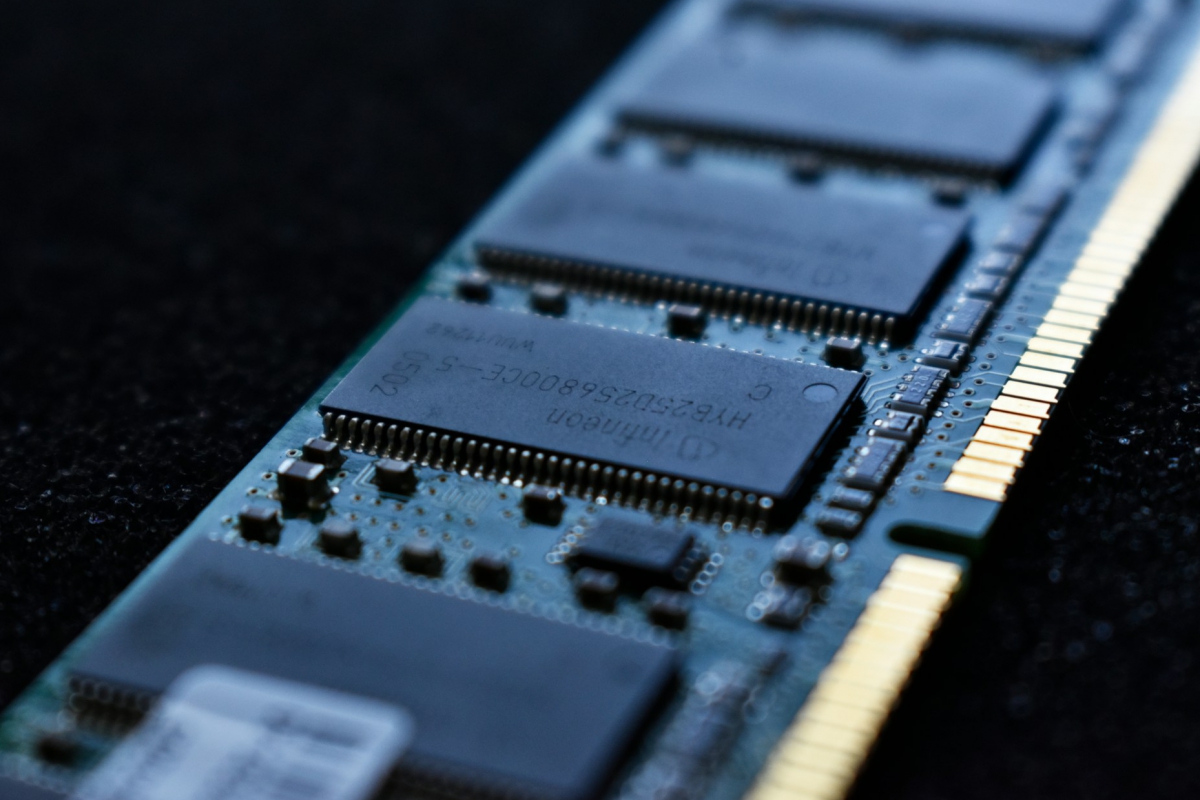
TrendForce predicts (finally) DRAM memory prices to start falling in early 2028
He first quarter of 2028 It will be the moment when, according to TrendForceDRAM contract prices begin to drop across all product categories. That is actually the price that memory manufacturers agree with those who buy it, such as PC, mobile or server brands. However, it is the first link in the chain. So it ends up affecting, a lot, what consumers end up paying.
Of course, the consulting firm presents it as its most reasonable scenario, although other forecasts could point to demand cooling earlier and, therefore, the price drop coming forward a few months.
Apparently, according to the consulting firm’s report, supply chain companies have been purchasing DRAM for weeks with a little less haste, while they recalculate how much they expect to manufacture and sell in 2027 and 2028. Production, on the other hand, is going in the opposite direction. New lines are coming online and more modern processes allow more memory to be extracted from each wafer.
With this scenario before our eyes, we would see that the increases would lose strength during 2027 until slowing down in the second half and, with the lower growth in server shipments expected for 2028, the shortage would cease to be so.
The doubts that cool demand
TrendForce points out that part of the uncertainty comes from Washington. The new rules from the BIS, the office of the United States Department of Commerce that controls exports, block the way for the most advanced AI chips to data centers that largely work for Chinese clients.
Foundries also need their approval to manufacture advanced chips ordered by Chinese companies. After the midterm elections, the sector also expects less political push for data centers, which also encounter power supply limitations.
Then we have NVIDIA as another unknown. If you cut the money you lend to neoclouds, companies that rent computing power for AI, they would buy fewer servers and, with them, less memory. Consumption is not pushing either, because mobile and computer manufacturers are finding it difficult to sell and the strategy of applying an increase is completely exhausted. Furthermore, in China, large cloud providers have already reduced their server memory orders, although North American companies have kept that volume.
In the most unfavorable scenario for demand, server manufacturers would revise their forecasts downwards, buy less and force the entire chain to get rid of stocks. If we add to that stricter export controls and neoclouds that invest less or end up merging, contract prices would turn around in the fourth quarter of 2027 and in 2028 they would drop even more. A few months ago, the consultancy anticipated that RAM would continue to be scarce and expensive in 2027. Now, in addition, it sets a date for a possible decrease.
