
Lenovo prepares an ultra-thin ThinkBook that hides its USB-C ports in a projection so as not to lose thickness
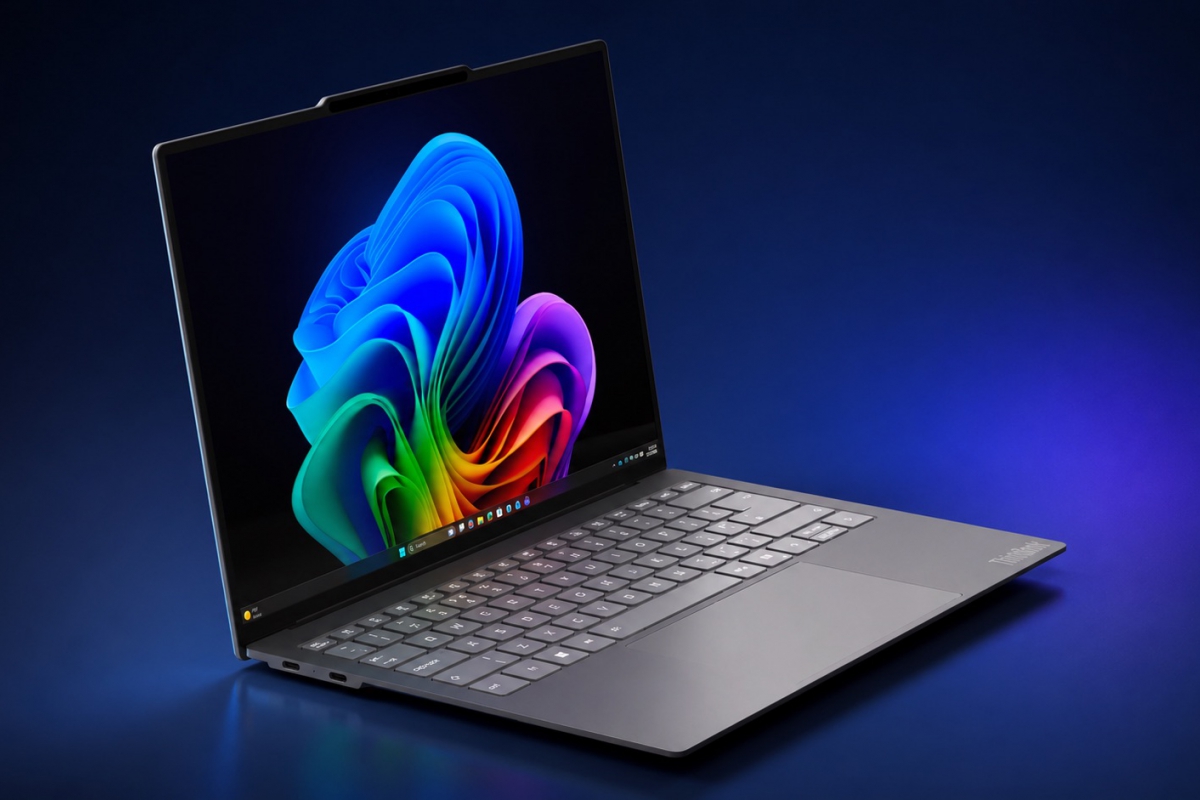
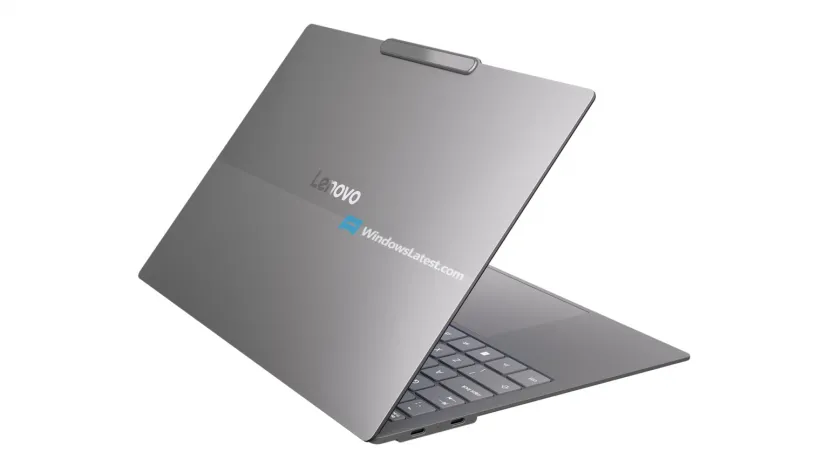
Lenovo would be preparing one of the thinnest ThinkBooks made to dateand the very thinness of the chassis is what has ended up giving away some of its design details ahead of time. The Windows Latest media outlet has obtained marketing material not yet published by the brand that shows the device from various angles, including a side profile that reveals something unusual: the thickness of the laptop is less than that of its own USB-C ports.
The name that appears associated with this team in the leaked material is Aerobladealthough the laptop itself only sports the standard ThinkBook logo on screen. Lenovo has not yet confirmed the existence of this model, so for now it is not clear if Aeroblade will end up being the definitive brand name or simply an internal marketing name that does not reach stores.
It wouldn’t be the first time that Lenovo uses a striking code name for a ThinkBook which later goes on sale under a much more discreet nomenclature, so it is advisable to take Aeroblade as a working reference rather than as the final name that we will see on the boxes when the equipment arrives in stores.
The detail that reveals its thickness: USB-C ports in a projection
The most striking part of the leaked design is on the left side of the chassis. There, Lenovo has placed two USB-C ports within a raised section that juts out clearly from the rest of the laptop’s edge. Everything indicates that the brand has resorted to this highlight to be able to maintain full-size USB-C connectors without being forced to increase the thickness of the entire chassis to accommodate them.
It is an unusual solution, but it has its logic: As manufacturers race to reduce the thickness of their ultra-thin laptops, the physical connectors themselves (which cannot shrink indefinitely) become the main obstacle. Concentrating the extra thickness only in the area where the ports are, instead of distributing it throughout the equipment, allows us to keep the rest of the chassis as thin as possible without sacrificing physical connectivity.
Design and other leaked details
The rest of the images show a large touchpad, a fairly flat keyboard, and a raised camera housing above the screenan increasingly common element in ultra-thin laptops that require additional space to house the camera module and its associated components. The rear of the device maintains the same slim profile as the rest of the chassis and sports a two-tone finish along with the Lenovo logo.
Beyond these aesthetic details, the leaked material does not confirm the processor, screen specifications, battery capacity, or exact dimensions of the device. That is, we know a lot about what the ThinkBook Aeroblade looks like on the outside, but practically nothing about what’s inside.
Platform still unconfirmed, although with clues
It is suggested that Lenovo could resort to Intel Panther Lake processors or the Qualcomm Snapdragon X2 platform for this devicealthough at the moment there is no evidence in the leaked material that confirms which of the two options (or if it is finally a different one) is the one that the Aeroblade will carry. The only thing that can be confirmed from the images is that the laptop will work with Windows 11 and include a dedicated Copilot key on the keyboardan element that Lenovo has already been progressively incorporating into the rest of its catalog.
The absence of information about the internal platform is not particularly surprising at this stage of the leak. It is common for the marketing material that is leaked first to focus on the external design of the product (designed to generate excitement), while the more specific technical specifications are reserved for the official announcement, closer to the actual availability date.
Everything points to a premiere at IFA
The calendar also plays an important role in interpreting this leak. Everything indicates that Lenovo would show this ultra-thin ThinkBook during the IFA fairwhich will be held in Berlin next month, a showcase that the company historically takes advantage of to present a good part of its range of laptops for the second half of the year.
If finally confirmed at IFA, the Aeroblade would arrive at a time when the race for reducing the thickness of ultra-thin laptops is still very active among the main manufacturers, with Intel and Qualcomm also competing to offer increasingly efficient platforms that allow maintaining reasonable autonomy in increasingly compressed chassis. The detail of the USB-C ports protruding from the chassis, far from being an aesthetic whim, pretty much sums up how far the industry is willing to go to continue cutting millimeters without completely giving up physical connectivity.
Within Lenovo’s own catalogue, the ThinkBook range has been gaining prominence in recent years as a test bed for unconventional design proposals, from rollable screens to modular concepts with interchangeable ports. A ThinkBook focused exclusively on reducing thickness as much as possible, without any additional gimmick beyond the raised port solution, would fit with the brand’s strategy of using this family to experiment with ideas that, if they work well, also end up reaching other product lines of the company.
