
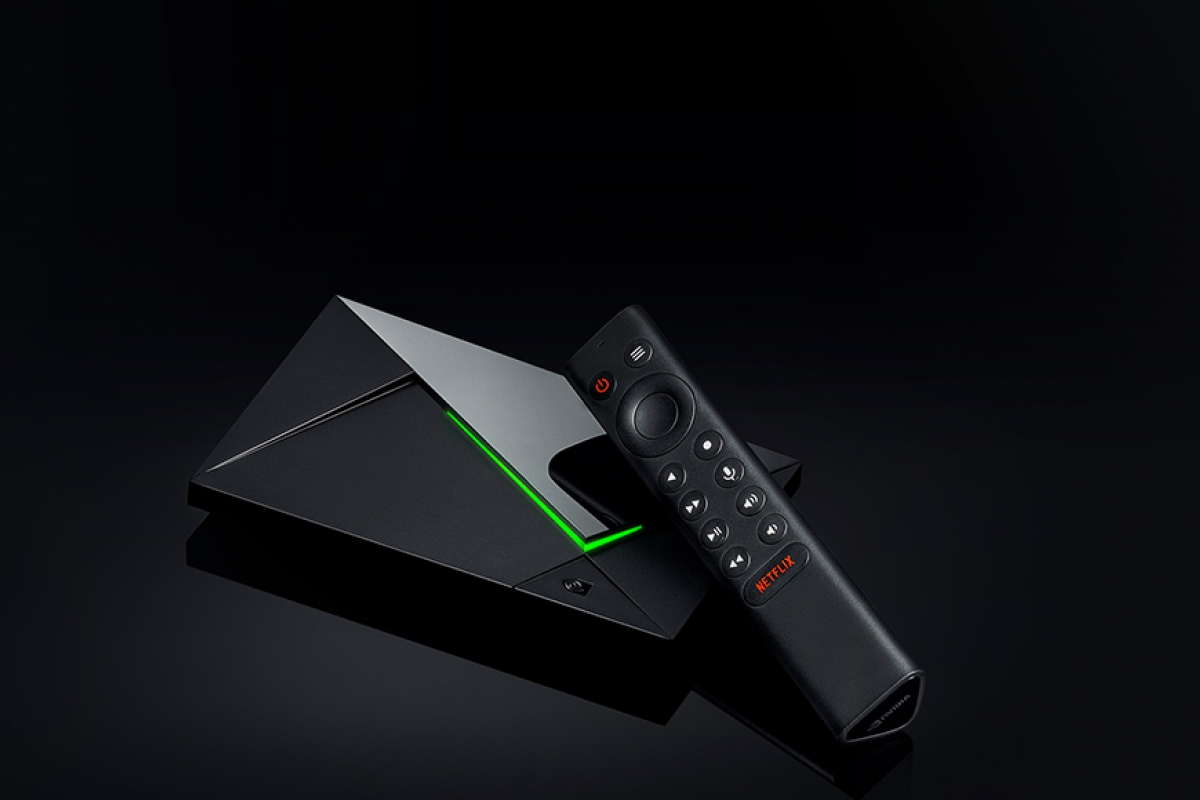
Increase of 100 euros for hardware from seven years ago: NVIDIA raises the Shield TV Pro to 299 euros, blaming the RAM memory
If you thought that the brutal component crisis in which we have immersed ourselves could not surprise you more, wait until you see the new NVIDIA. The company has announced a restructuring of its catalog of multimedia players that fully affects the price and continuity of these products.
The first thing you should know is that the company has definitively discontinued the standard model and has increased the official price of the Shield TV Pro by 100 euros, going from 199 to 299 euros. To justify this commercial increase, NVIDIA attributes the increase to the general increase in the cost of memory and other electronic components in the industry. This is how the brand explains it:
“Starting October 2, the SHIELD Pro will be priced at $299. The cost of components, including memory, has skyrocketed across the industry. We also stopped producing the standard SHIELD TV model while we focus on the production of the SHIELD TV Pro.”
As I’m sure you already sensed, this price change comes without the device receiving any technical improvement or internal review that compensates for the extra outlay requested from the user. The team continues with the Tegra X1+ processor3 GB RAM and 16 GB internal storage. On NVIDIA’s own website for our market, the player is currently out of stock but already marks 299 euros in its official price lists.
An extra cost that is difficult to justify for a device with seven years behind it
This rate increase is especially controversial if we take into account the age of the hardware. When the Shield TV Pro was launched in October 2019, its specifications already represented a modest update on an architecture originally born in 2015. Demanding 300 euros for a seven-year multimedia center is crazy, taking into account that technology tends to depreciate, not revalue.
Although we do not deny that the component crisis caused by the demand for AI has made somewhat old chips more expensive, transferring a 50% surcharge to the end user on a more than amortized product is disproportionate. In fact, most current media players are much more suitable for the streaming of games due to its more up-to-date components, especially in the field of networks.
