
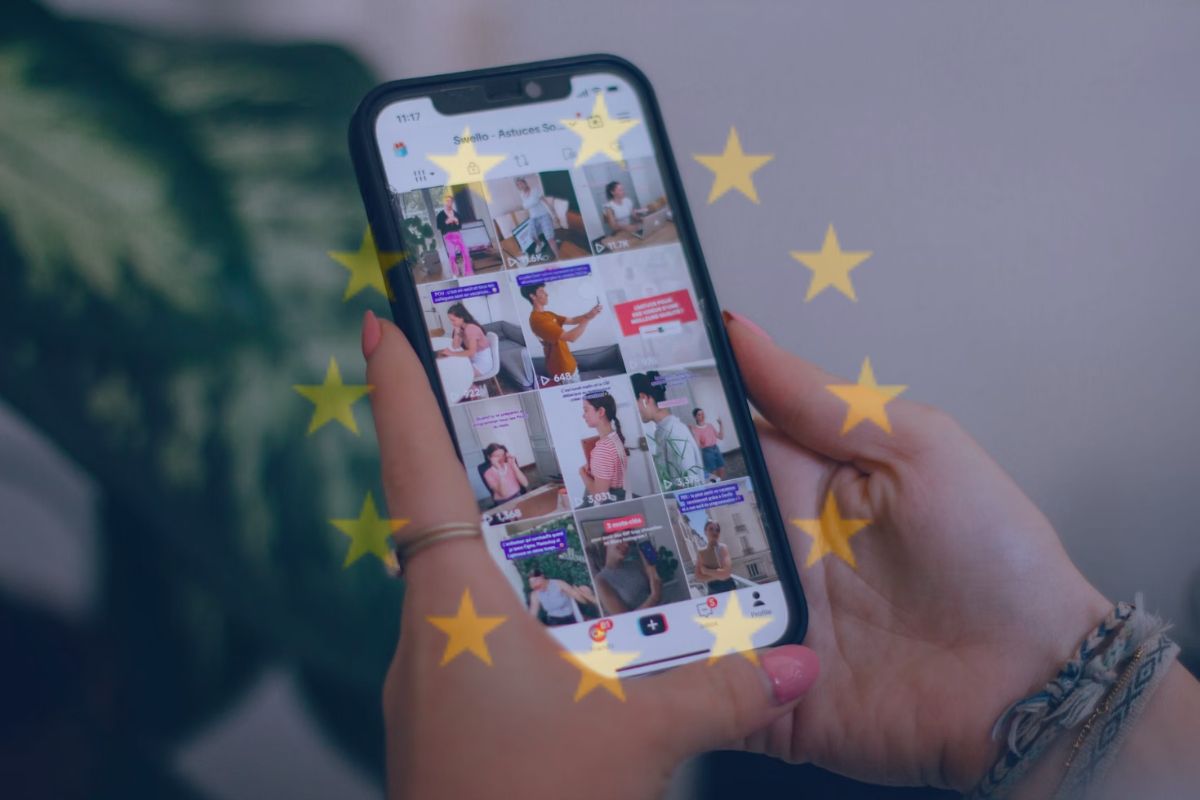
Its infinite scroll and addictive design violate European regulations
The European Commission issued a strong preliminary opinion this Friday. What the agency is saying is that TikTok’s design violates the Digital Services Law. Because? After an exhaustive investigation, the European body points out that the architecture of the application is designed to exploit the psychological vulnerabilities of users, fostering a behavioral addiction that puts the physical and mental well-being at risk, especially of minors. In fact, the latter is what is pushing several governments to limit access to social platforms, depending on the age of the user.
The focus of the accusation is on key elements of the user experience that we all recognize: the “scroll” or infinite displacementvideo autoplay, intrusive push notifications, and a highly personalized recommendation system. According to the Commission, these features act as intermittent rewards that push the brain into an “autopilot mode”, making it difficult for the user to exercise self-control and encouraging compulsive use of the platform.
The investigation also reveals that TikTok would not have adequately evaluated the risks associated with this design. Brussels highlights that the company has ignored critical indicators of compulsive behavior, such as the time minors spend on the application during the night or the frequency with which they open the app unconsciously. This lack of diligence contravenes the security obligations required of large digital platforms in Europe.
Current controls are ‘easy to ignore’
One of the most critical points of the statement is the ineffectiveness of the mitigation measures that TikTok has implemented to date. The Commission considers that screen time management tools do not work because they offer “limited friction.” In other words, they are too easy for the user to discard to continue consuming content. Similarly, parental controls are considered insufficient, as they require parents to have a level of technical skills and time commitment that make them impractical in reality.
Faced with this scenario, the EU demands structural changes, not cosmetic ones (it already did so in 2015, by the way). Brussels suggests that TikTok must modify the basic design of its service, which could involve disable infinite scrollimplement effective mandatory breaks and redesign your recommendation algorithm. The company now has a period to present its written defense against the accusations. If non-compliance is confirmed, TikTok would face fines of up to 6% of your global annual turnoveran economic sanction that could reach multimillion-dollar figures.
