
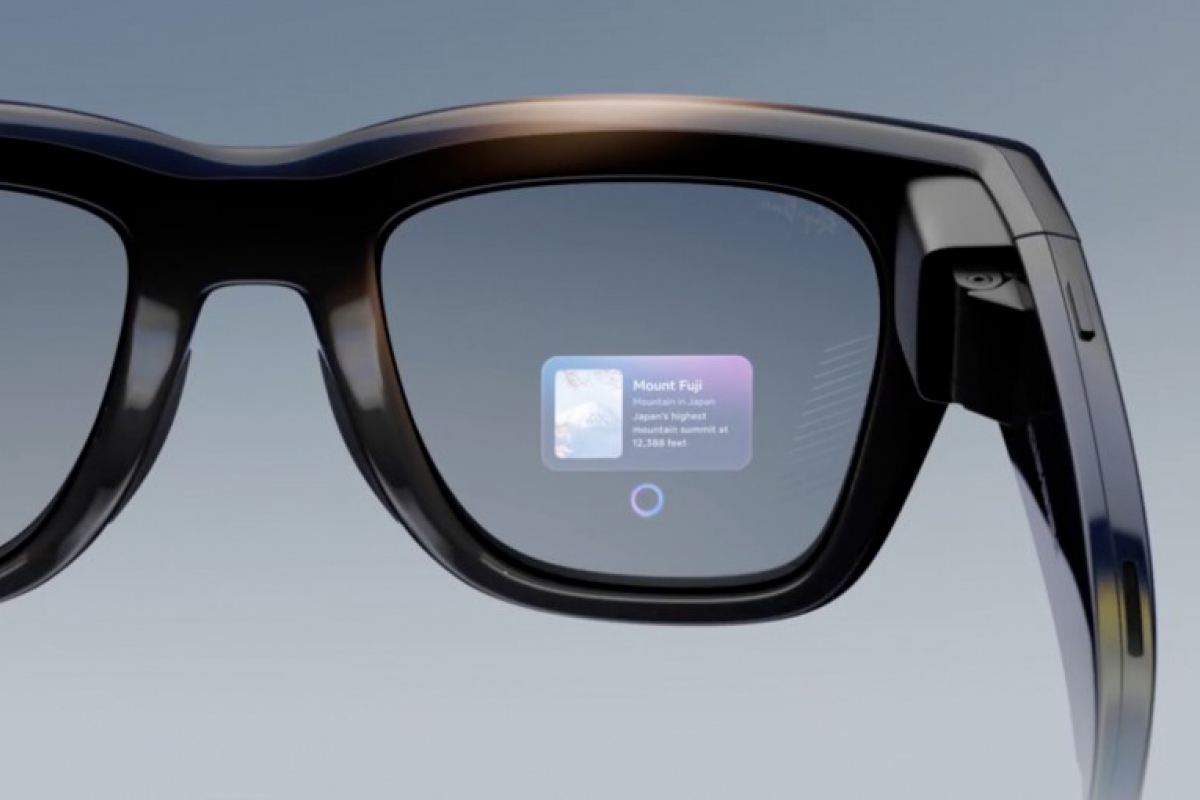
Meta plans to add facial recognition to its Ray-Ban smart glasses this year despite past controversies
Meta would be working on integrating facial recognition technology into its line of Ray-Ban and Oakley smart glasses, with a possible launch before the end of 2026. As reported The New York Timesfour people with knowledge of the company’s plans have confirmed that the feature is codenamed Name Tag internally and would allow users to identify people and obtain information about them using artificial intelligence.
The intended functionality would include the ability to recognize people the user is already connected to through some Meta app, or potentially display information from public Instagram accounts. However, the sources consulted by the newspaper clarified that a universal facial recognition that would allow identifying any random person on the street would not be possible.
Meta already considered including this technology in the first version of its smart glasses launched in 2023, but apparently scrapped the idea. I also would have been hesitant to introduce Name Tag at a conference for blind people last year because of the ethical and privacy concerns that generates this type of technology.
A favorable political moment according to Meta
In an internal Reality Labs memo reviewed by The New York TimesMeta suggested that the current political instability in the United States represents a favorable opportunity to advance his plans. “We will launch during a dynamic political environment where many civil society groups that we would expect to attack us will have their resources focused on other concerns,” the document noted.
According to the source itself, Meta’s history with facial recognition has been turbulent. The company shut down Facebook’s Face Recognition system in 2021 following strong public backlash over privacy concerns. Three years later, in 2024, it reintroduced it as a tool designed to detect fraudulent ads using celebrity faces and public figures on Instagram and Facebook. In 2025, Meta expanded this functionality beyond the United States, reaching the United Kingdom, Europe, and South Korea.
With the smart glasses market becoming increasingly competitive in the coming years, especially with the planned entry of competitors such as OpenAI, Meta apparently believes that facial recognition could give it a significant advantage over rival products.
