
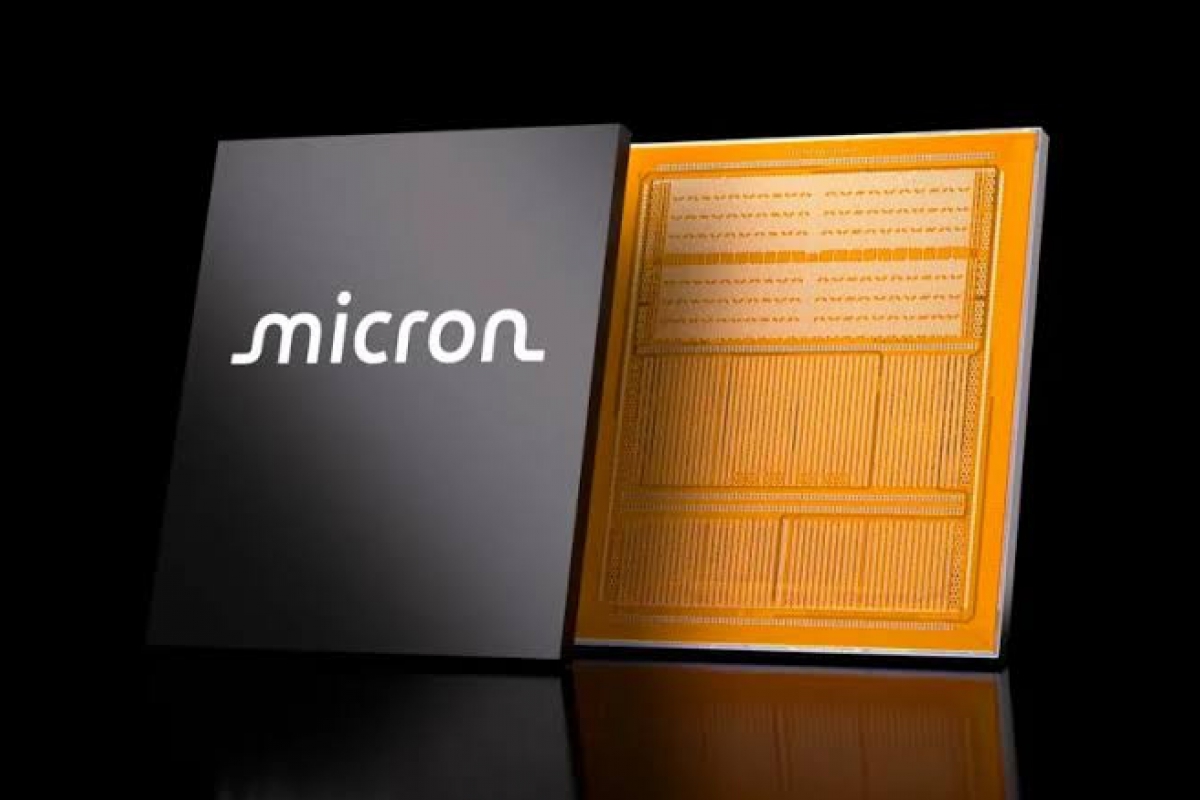
Micron postpones the end of the memory crisis: 75% of its 2027 production has already been sold and it sees no solution in the short term
Micron has once again postponed its forecasts for the end of the component crisis. During the results conference for its fiscal fourth quarter of 2026, where it recorded a record turnover of $54.2 billion, its CEO, Sanjay Mehrotra, warned shareholders that memory and storage availability will be even more restrictive during 2027 and 2028 than in the current year.
Mehrotra justified this deterioration in supply for the same reason as always, which is none other than the voracious demand to deploy AI infrastructures. This is what he mentioned during the company’s results presentation: “Industry demand has strengthened since our last earnings call, and we expect supply and demand conditions in memory and storage to be much tighter in fiscal years 2027 and 2028 than they were in 2026. AI is becoming super-intelligent, and memory powers that intelligence and the competitiveness of our customers’ platforms.”.
Furthermore, Mehrotra also explained that expanding manufacturing capacity is not a magical solution to get everything back to normal. In fact, the problem is that demand does not slow down. “Even with additional DRAM cleanroom plans across the industry in the face of such strong demand, including new rising customer requests, we have no visibility on when supply and demand will return to balance.“said the CEO of Micron.
New postponement in a market saturated by data centers
This is not the first time that the company has postponed the horizon for normalization of the sector. The manufacturer already warned that the shortage would last beyond 2026 and months later anticipated that the HBM and DRAM deficit would continue due to the impossibility of satisfying orders. Although at the beginning of summer management was confident of seeing gradual improvements in 2028, The firm now rules out setting a deadline in which the market stops being stressed.
In fact, the figures confirm the bottleneck that is suffocating the industry. Micron says it has more than 75% of its planned 2027 wafer production already booked by corporate customers. Additionally, the new ID2 manufacturing facility in Idaho won’t begin supplying silicon wafers until late 2028. Meanwhile, consumer DRAM prices rose nearly 20% in the last quarter and NAND storage increased 30%, pushing away any cheapening of domestic hardware.
