
OpenAI launches Dots, agents based on GPT-6 Astra with support for 4,000 applications
OpenAI is holding its annual developer conference right now. Among the new features, we have seen the birth of the Dots. What is hidden behind that simple name? Well not just anything. In reality, they are autonomous agents that work in the background.
The idea is that they can take on complex workflows without the user having to be on top of it reviewing the results. They arrive powered by the GPT-6 Astra model. Beyond answering questions, they have their own virtualized environment in the cloud to navigate and process data. The company officially defines them as “high-capacity agents, always on and designed to take care of everything.” Yes, it is something very similar to OpenClaw, but running in the cloud.
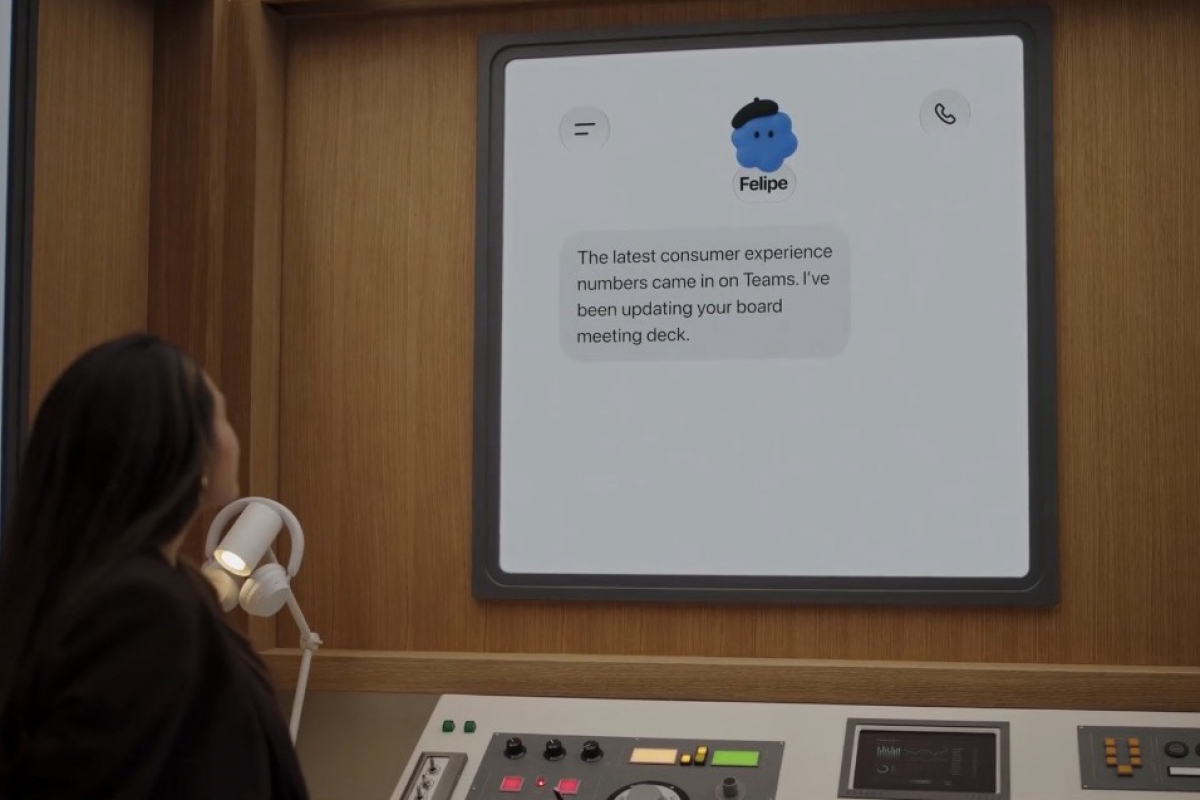
Unlike regular ChatGPT extensions, each of these agents has independent credentials and access to an ecosystem of more than 4,000 interconnected applications. The platform maintains the contextual thread through collaborative tools such as Slack or Microsoft Teams. This allows them to run background tasks while the user attends to other things. According to the laboratory, the agent progressively learns from the user’s instructions to prepare technical deliverables before they are formally requested.
How does OpenAI intend to keep them under control?
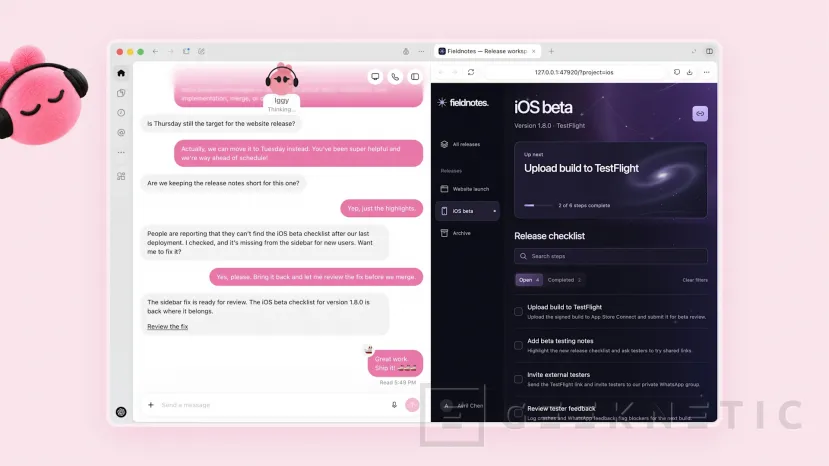
Every Dot Works inside a virtual machine isolated on remote servers. According to OpenAI, this is the way to keep the user’s computer safe from any misalignment. Help desks can establish strict rules that define which tasks require manual authorization and which can be completed unattended.
The company ensures that the most critical actions remain under human supervision, stating that “certain sensitive tasks, such as changing a password, always remain in your hands” to prevent security breaches. We will have to cross our fingers that each Dot respects that contract and does not decide to act on their own when faced with a delicate decision.
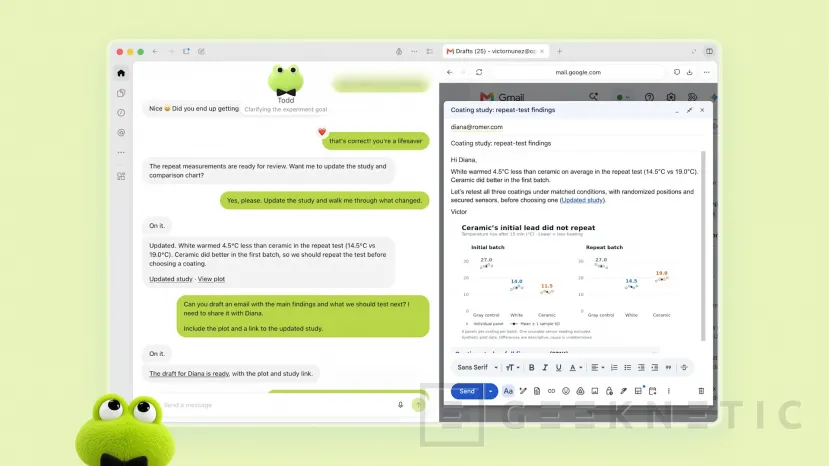
Another relevant point in this sense is that OpenAI has partnered with Microsoft in order to integrate these agents into the Agent 365 governance panel. This framework allows administrators to audit activity logs and apply access policies identical to those of any human employee.
Infantilizing technology
The launch has caught our attention for something else. Once again, it highlights the strange tendency of developers to cover corporate software with an excessively childish tone. After similar experiments such as Meta Muse or Microsoft’s canceled Mico, OpenAI uses some cute dolls to present what in practice is a business process automation system.

It is striking that an industry focused on transforming the productivity of multinationals insists on giving a cartoonish personality to tools that are actually critical infrastructure. Instead of offering formal and, we could even say, boring panels and solutions, technology companies continue to insist on selling us very cute co-workers who, far from being innocuous, Today they could cause a catastrophe. Perhaps the intention is precisely to give them that harmless touch?
