
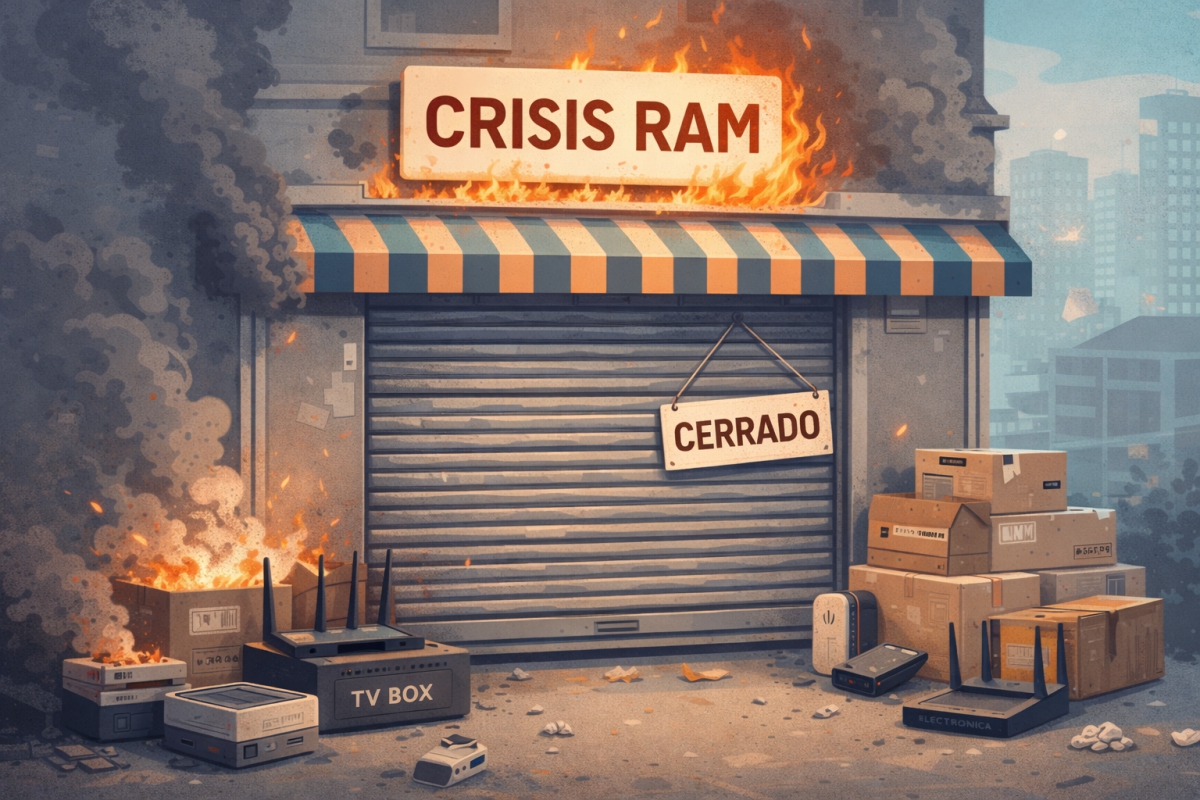
The director of Phison predicts a massive disappearance of small electronics companies due to the current memory crisis
The memory crisis continues during 2026where at the end of last year they warned us that the beginning of this new year would not mean improvements in this situation. But it seems that the situation, not content with not improving, will be difficult for many other smaller companiesat least that’s what the CEO of the popular SSD controller firm Phison says. Chien Chen Pang told a Taiwanese newspaper that the current crisis will mean a mass disappearance of smaller companies that manufacture devices that use DRAM memory and SSD storage.
Phison CEO insists the memory crisis will not recover until at least 2030
The CEO of Phison already told us that the current crisis could come until 2030these are 4 long years of price, stock instability and problems with product launches and availability. A situation that has been reiterated in this interview, to which has been added the sad news that many small companies that manufacture devices such as TV Box, WiFi routers, smart TVsetc., will also be affected.
A situation that will lead incredible price increases who have experienced the chips that these small devices include. As an example, he tells us that a 8GB eMMC chipwhich we often find on these devices, has risen since 1.5 dollars from its usual price at the beginning of last year, until 20 dollars what it currently costs. A situation that will put devices that have lower price, below 100 dollarswho will not be able to assume these costs and may destabilize this small consumer electronics industry.
Many small companies that manufacture electronics will disappear due to this crisis
But to this difficult situation with prices, another big problem is added, which is the availability. It is no longer about paying the difference from 1.5 to 20 dollars for the same 8 GB chip, but also that is available to purchase. A situation that seems not to see the sky open until at least 2030when manufacturers can address the manufacturing capacity demanded by the Artificial intelligencealong with that of consumption, where the latter has currently been put aside to favor AI orderswhich apparently are more economically profitable.
