
WhatsApp adds single view messages to the beta version
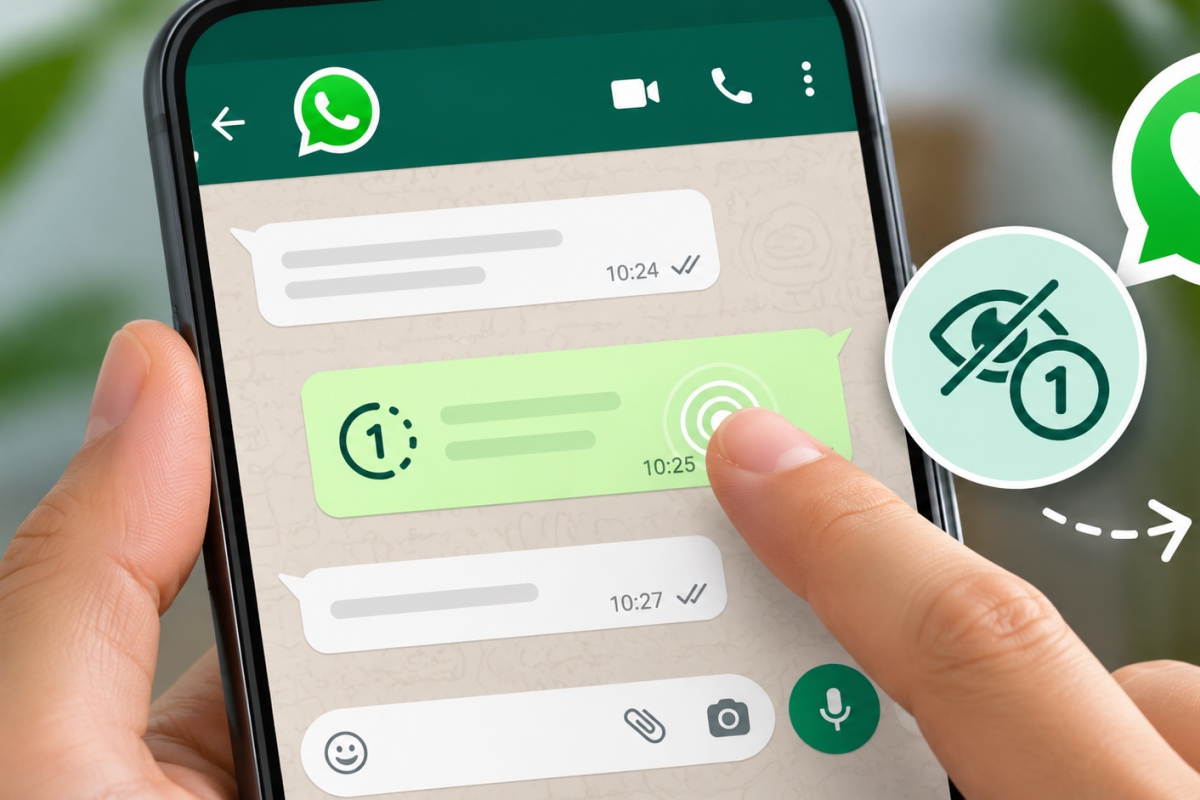
WhatsApp continues to add new features, but first they are carried out for users who are enrolled in Beta testing. The popular Meta messaging network now allows view messages only oncejust as it allows with photographs. Once the message is opened, when you close it it will disappear so that you can only see it once.
WhatsApp allows you to send text messages that disappear after reading them
The function for view messages only onceworks the same as for photos, videos and voice messages. If a user sends a text message for one-time viewingwhen the recipient reads it it will disappear from the device of the person who received it. To send it you will have to press and hold the send buttonafter writing the message, and the option to view only once will appear. The first time you will receive a message explaining what the single display messages.
To see them you will have to click on them, since it will not appear directly in the chat. This gives you time to open it when you are most interested, in a quieter environment or where you are not surrounded by people, for example. When you close it, it cannot be reopened. and WhatsApp will mark the message as read and the sender will be notified that it has been opened.
WhatsApp view-only messages do not allow screenshots
As expected, the recipient once opened the single view message, it cannot be copied, forwarded or saved. If you were planning to take a capture, WhatsApp will also block them when a message of this type is open. Apparently, the message will also become unavailable to the sender once closed by the recipient.
The Single display text messages cannot be scheduledso you will have to send them at the time you want the recipient to receive them.
The new feature is available to some users in WhatsApp Beta 2.26.45.6 for Android
It is currently available to some users of the beta version of WhatsApp for Android, 2.26.45.6. It is not known when it will be available to all users, although this useful function will surely end up arriving sooner or later in the final version of the application.
