
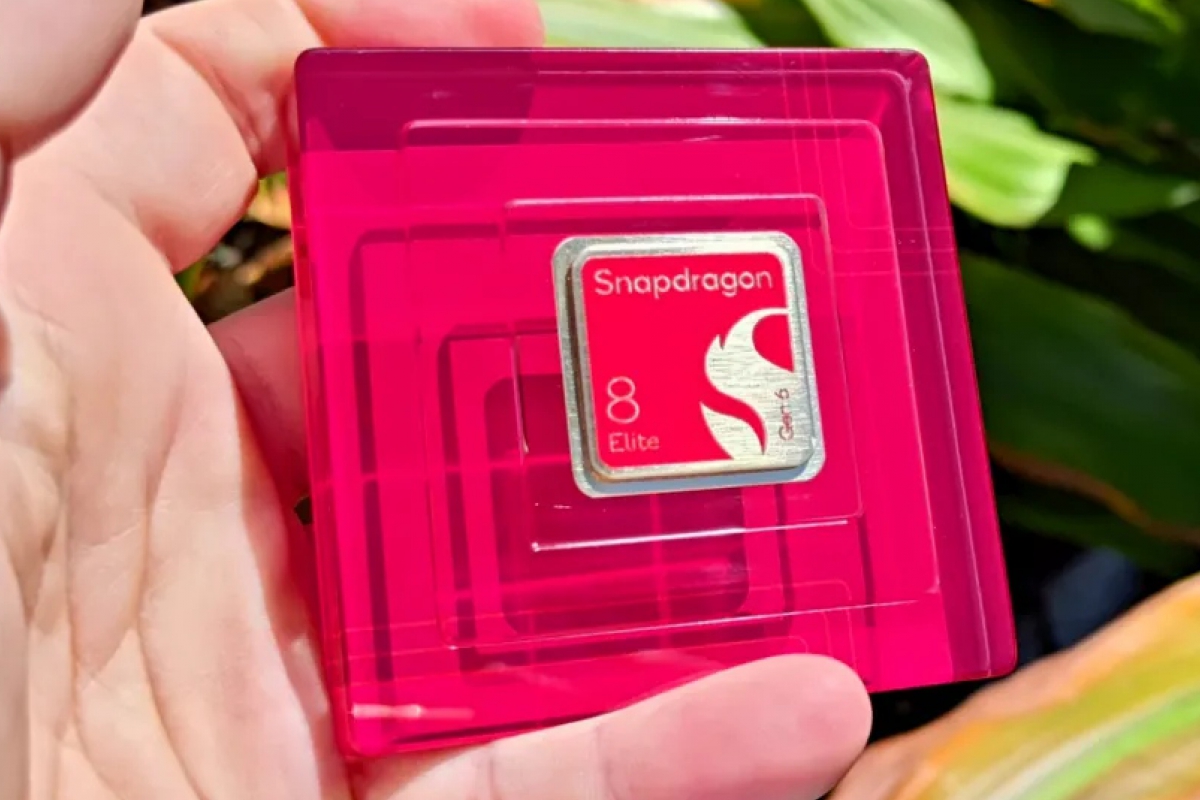
Samsung detects temperature problems in the Snapdragon 8 Elite Extreme and evaluates the Exynos 2700 for the S27 Ultra
Qualcomm and Samsung’s Ultra models are neck and neck. However, this union faces a fairly important technical obstacle. According to close sources, during the final validation phases of the future Galaxy S27 UltraSamsung’s mobile experience division has detected overheating problems in the Snapdragon 8 Elite Extreme 6 Gen. Apparently, these failures do not correspond to isolated events, but rather to a repeated problem.
As the sources mention, the Qualcomm chip raises its temperature above the tolerated safety thresholds and causes thermal throttling that reduces its calculation speed in heavy tasks that extend over time.
Given this situation, Samsung has transferred the results of the analyzes to Qualcomm and has set a deadline that ends in the middle of this month of October. The Korean company demands the appropriate revisions to correct the thermal dissipation.
And the new Qualcomm component was designed specifically to run AI models locally. This was possible through a notable increase in CPU and GPU power. The problem, as you can imagine, is that this approach increases the thermal demand in a closed chassis where cooling must coexist with many other components, such as a fairly large camera system.
The Exynos 2700 in 2 nanometers as an alternative to the manufacturing schedule
The factor that determines decision making is the calendar. Mass production of the Galaxy S27 family is scheduled for later this year. If the modifications applied by Qualcomm do not guarantee thermal stability before the deadline expires, Samsung would have as a direct alternative the integration of its own Exynos 2700.
Manufactured under the node 2 nanometers Second generation by Samsung Foundry and designed by its subsidiary System LSI, this chip has even registered certain performance advantages over Qualcomm’s solution in internal comparative tests.
The adoption of this processor would mean the return of the Exynos platform to the Ultra variant after a five-year absence, since the last precedent dates back to the Galaxy S22 Ultra marketed in 2022. Since the S23 series, the highest models of the Galaxy range have relied exclusively on Snapdragon chips on a global scale, relegating the Exynos variants to the standard and Plus versions in specific markets such as South Korea.
The eventual change of supplier would also entail a significant financial impact for the Asian company. Samsung’s annual spending on the purchase of external mobile processors rose from 6.2 trillion won in 2021 to close to 13.8 trillion won last year, having already allocated another 7.4 billion in the first half of 2026.
Accommodating the Exynos 2700 would allow this bill to be cushioned, increase System LSI orders and maximize the occupancy of its 2 nanometer lines, although the final decision will depend on whether Qualcomm manages to stabilize temperatures before closing manufacturing specifications.
