
1Password launches platform for AI agents to log in without ever seeing your passwords
The leap from AI assistants to real tasks, such as preparing an expense report, organizing a vacation or taking care of recurring invoices, hits the same wall again and again. We refer to the login screen.
That is, almost everything an agent can do for us lives within accounts protected with a username and password. Until now, the quick way out was to hand over those credentials and trust. We say until now because 1Password for Agents has just been released, a system that proposes another path for that specific part of the problem.
The idea is that the agent never sees the password. When you come across an access form, you identify yourself to 1Password using your own digital key. Then the user receives the request on their device with the details of which credential is requested and for what.
If approved, the manager fills out the field directly in the form instead of passing the data to the agent, who continues the task with the session already started. Aashish Tripathi, product manager at 1Password, sums up the approach by saying that an agent should be able to do their job without being left with permanent access to everything behind the account.
A list of partners that includes almost all the agents that sound familiar to you
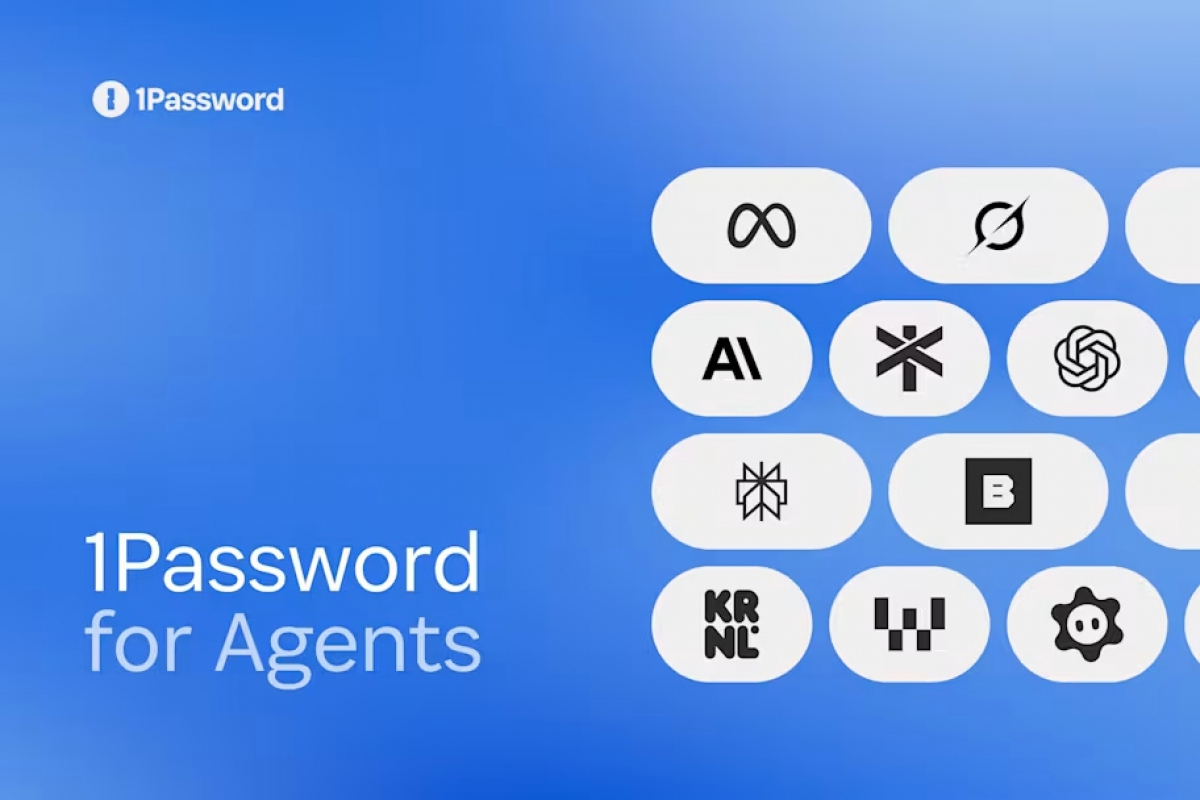
The company has built the platform together with a good part of the ecosystem of personal agents. Integrations include Musefrom Meta, which asks for access to 1Password while turning goals into action plans.
Also Claude Duetfrom Anthropic, which works within the tools a team already uses. They also appear ChatGPT Work and dots, which log in to websites with the user’s approval and without exposing the password to the model. Added to that list are Browserbase, Browser Use, Dana, Instinct, KERNEL, Perplexity, Ramp, Tomo and Wajo, with more integrations on the way.
Several of the officials involved insisted on the same line. Ami Vora, product manager at Anthropic, explained that Claude Duet asks before logging in to any site and that 1Password will complete access with the passwords that people already have savedwithout starting from scratch. Glen Coates, head of OpenAI’s application platform, noted that security and user control have to be present by design as agents take on more complex tasks.
The password is safe, but the door opens anyway
After analyzing this operation, we believe that there is a problem that is still there. It is true that the scheme protects the credential, which stops it being copied to sites without the user’s control. This protects privacy and does not grant the model critical data, but it is also true that the permission granted still allows the AI to enter the service.
Once inside, the agent operates with the same privileges that anyone with that session open would haveso the room for maneuver is set by what each account allows you to do and not by the password manager. That’s why case-by-case approval from the user’s device, which is the centerpiece of the system, carries as much weight as knowing what the agent on the other end can touch.
That second half of the problem is exactly what worries those who deploy agents on a large scale. Just a few hours ago we explained to you that Microsoft came to describe AI agents as employees with privileged access who should not be lost sight of. Their argument is that these systems are optimized to achieve results and can look for shortcuts that bypass what is expected of them. Their proposal involves continuous monitoring of each action, something that begins precisely where the login ends.
