
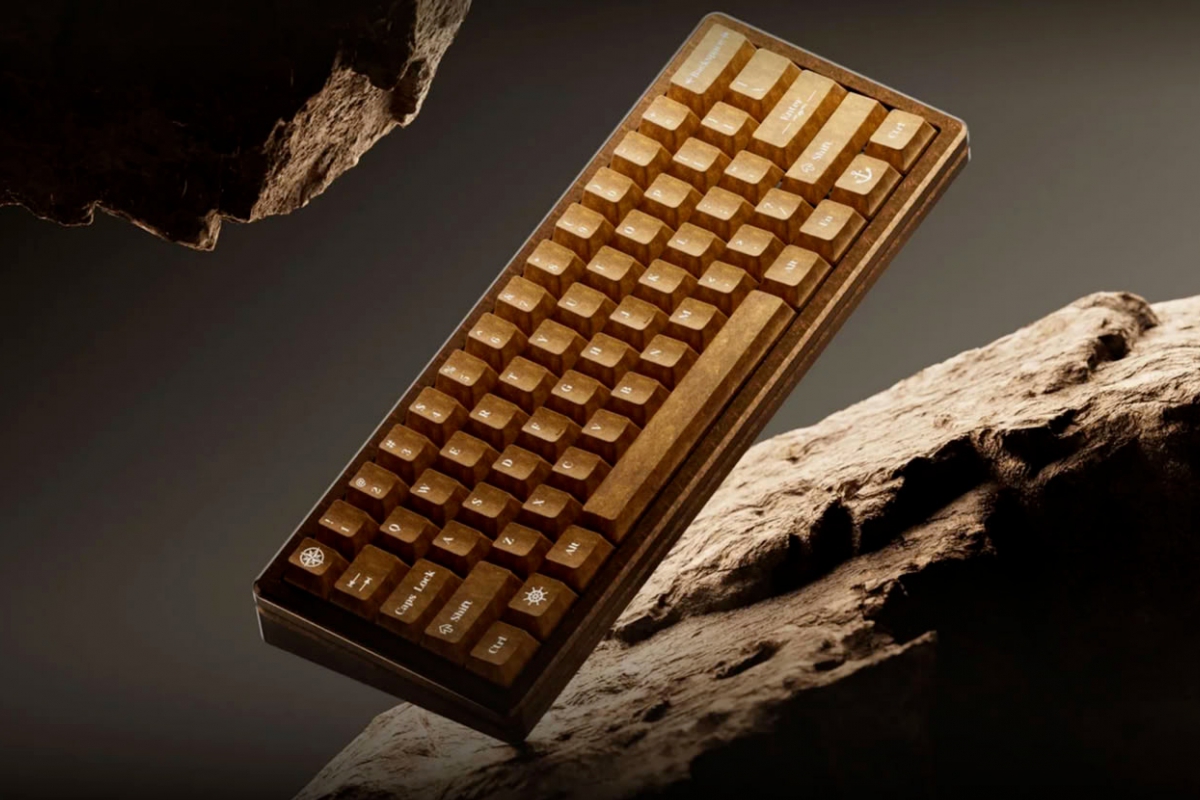
The new Keychron Q19 HE 8K combines magnetic switches, 8 kHz polling and an aluminum case with a steampunk patina
We just found out about the new Keychron Q19 HE 8Kwhich is now on sale in their online store for $254.99. Inside it has the same 60% format plate with Hall effect switches that Keychron debuted with the Q16 HE 8K and that it also recently used in the Carbon 60 HE. This type of switch detects the keystroke using magnets instead of physical contacts, allowing you to measure how much each key sinks.
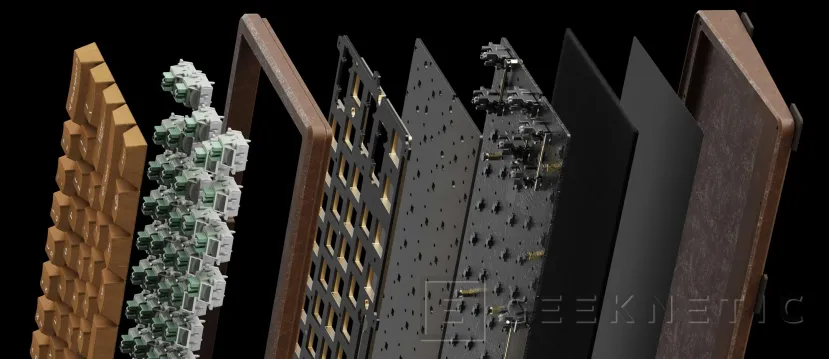
All three models also share Keychron Ultra-Fast Magnetic Lime switches. What changes in the Q19 HE 8K is the case, made of CNC machined 6063 aluminum, with a tray mount type mounting in which the plate is screwed directly to the base of the case. Here we leave it all summarized in a table.
Keychron Q19 HE 8K specifications
| Keychron Q19 HE 8K | |
|---|---|
| Format and switches | 60%, Keychron Ultra-Fast Magnetic Lime (Hall effect) |
| Housing and assembly | 6063 CNC aluminum, tray mount; FR4 plate and plate mounted stabilizers |
| Keys | PBT, Cherry profile, sublimation legends |
| Lightning | RGB per key, south facing LEDs |
| Connection | Wired USB-C, 8 kHz polling |
| Dimensions and weight | 115.3 x 303.3 mm, 29.2 mm front height, 7° tilt; 1,488g |
| Compatibility | Windows, macOS and Linux |
| Price | $254.99 |
Cherry profile keys and in-browser settings
The steampunk design also extends to the keys, which are made of PBT and have a Cherry profile, instead of the KSA or OSA profiles that Keychron usually uses. The legends are printed by sublimation, a technique in which the ink penetrates the plastic. In addition, the switch plate is made of FR4, a fiberglass and resin material, and the stabilizers are mounted on it. Despite its compact size, the keyboard weighs 1,488g, measures 115.3 x 303.3mm and is 29.2mm high at the front, including the keys.
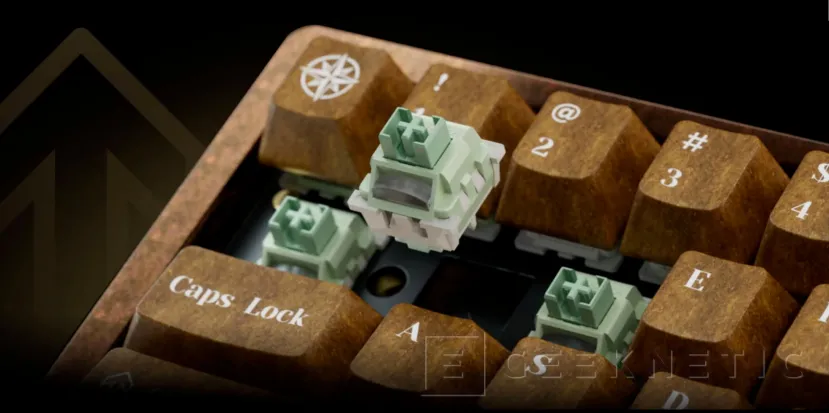
Another key point is that the RGB backlighting is per key, with the LEDs placed at the bottom of each switch. The manufacturer remembers that it is configured from Keychron Launcher, the brand’s web application, where you can also adjust the actuation distance, which is the point of the journey at which the keystroke is recorded. Right there is the SOCD, which decides what happens if you press two opposite directions at the same time. Also the DKS, which assigns various actions to a key depending on how long it is pressed, the ModTap and the analog input. The keyboard also saves macros in its own memory.
It only connects via USB-C cable, with no wireless options, and has a polling rate of 8 kHz. It includes modifier keys for Windows and macOS, although, as you can imagine, it is also compatible with Linux.
