
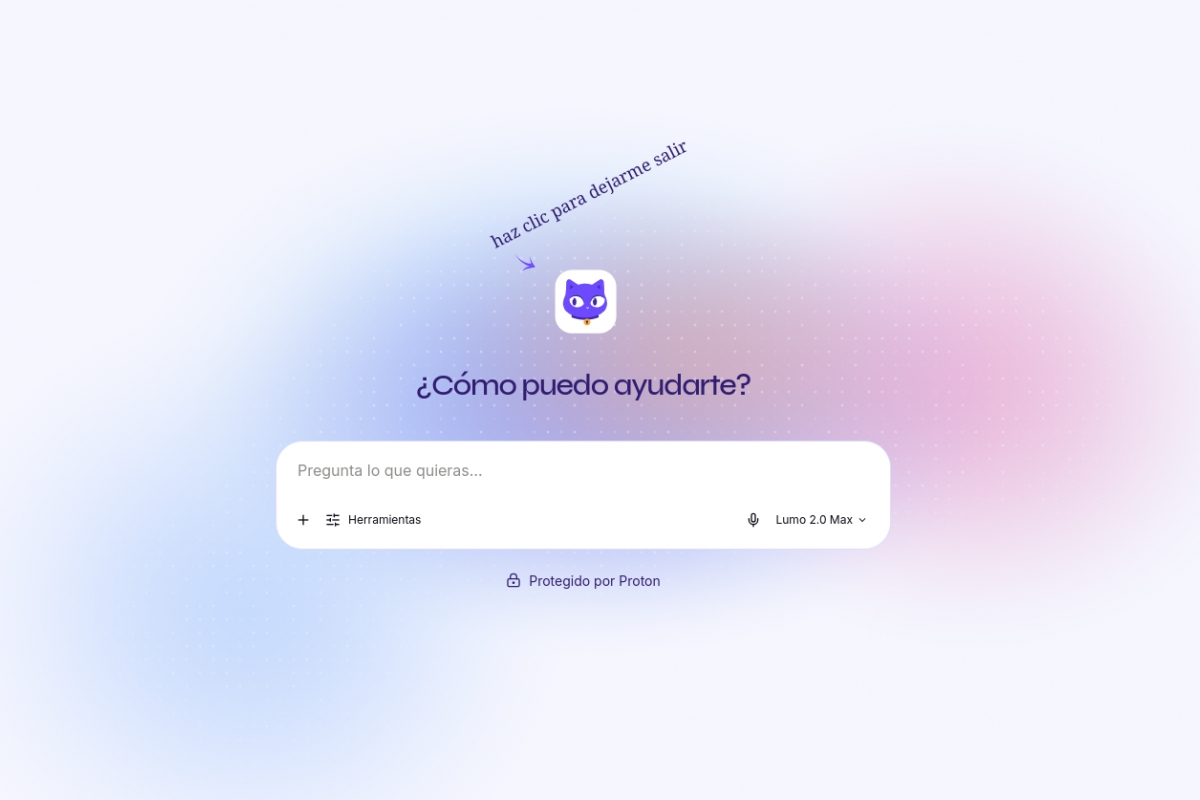
Proton launches Lumo Desktop for Windows, macOS and Linux with connectors, scheduled tasks and skills
Following the release of Lumo 2.0, Proton’s AI assistant will be updated with a ton of features. They all reach Lumo Desktopyour new desktop application for Windows, macOS and Linux. Among the things you can do is search documents on your computercheck your email or consult your Google Drive. Plus, it runs scheduled tasks without you having to ask it every time.
As Proton explains, these functions were born as internal tools so that their own teams could use AI without giving up the company’s privacy and security. They now reach any user grouped into three very different blocks, namely, connectors, programming and skills.
As with the rest of its products, Proton has published the source code so that anyone can see how they work. Keep in mind that when we tested Lumo last year, it was only available in the browser and in mobile apps.
Connectors with permissions for each action
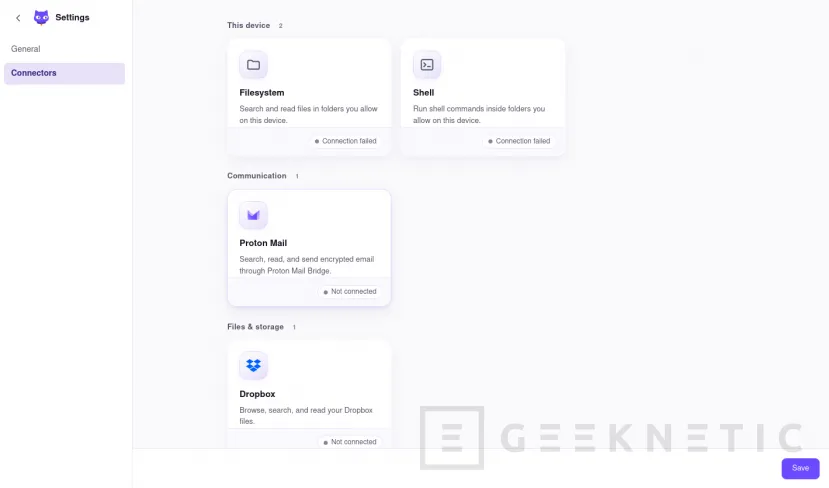
The connectors They are the main novelty, but they are only available in the desktop version. They allow Lumo to access the file system, execute commands in the terminal, and fetch content from the browser. It also connects to Proton Mail through Proton Mail Bridge, to third-party services such as Google Drive, Jira or Confluence, and to your own local or remote MCP servers.
By configuring each connectorRemember the company, you decide which actions Lumo can do automatically, which ones need your approval, and which ones are blocked. For example, you can let it search your inbox, ask it to check with you before sending an email, and prevent it from deleting messages. Connected tools are activated by default in each conversation, although you can deactivate them one by one from the dedicated menu.
The schedulesfor their part, execute a task at a specific time or periodically, such as a weekly email summary or a monthly expense review. Simply describe what you want and when, and Lumo asks for any missing data before you confirm the task. Each schedule has its own permissions and you can edit, pause or delete it whenever you want.
The skillsInstead, they store instructions that Lumo reuses between conversations, such as your email writing style or your food preferences. They support templates and reference files. Once you have created them, Lumo automatically applies them when they are relevant. By the way, they replace the custom Lumos.
An NVIDIA B300 cluster in Switzerland for Proton
Regarding privacy, Proton ensures that Lumo does not use your conversations or information from connected apps and files to train models or show you advertising. Chat history uses zero-access encryption, meaning only you can read it, not even Proton itself.
In addition, the service is covered by Swiss privacy legislation and hosted on European infrastructure, outside the scope of the CLOUD Act, the law that allows US authorities to claim data from US companies even if it is stored in other countries.
In another vein, Proton has taken the opportunity to announce that it already has its first cluster in operation in Switzerland. NVIDIA B300built according to the standards of the Open Compute Project, with which it seeks to have more control over the technology that drives its AI services.
