
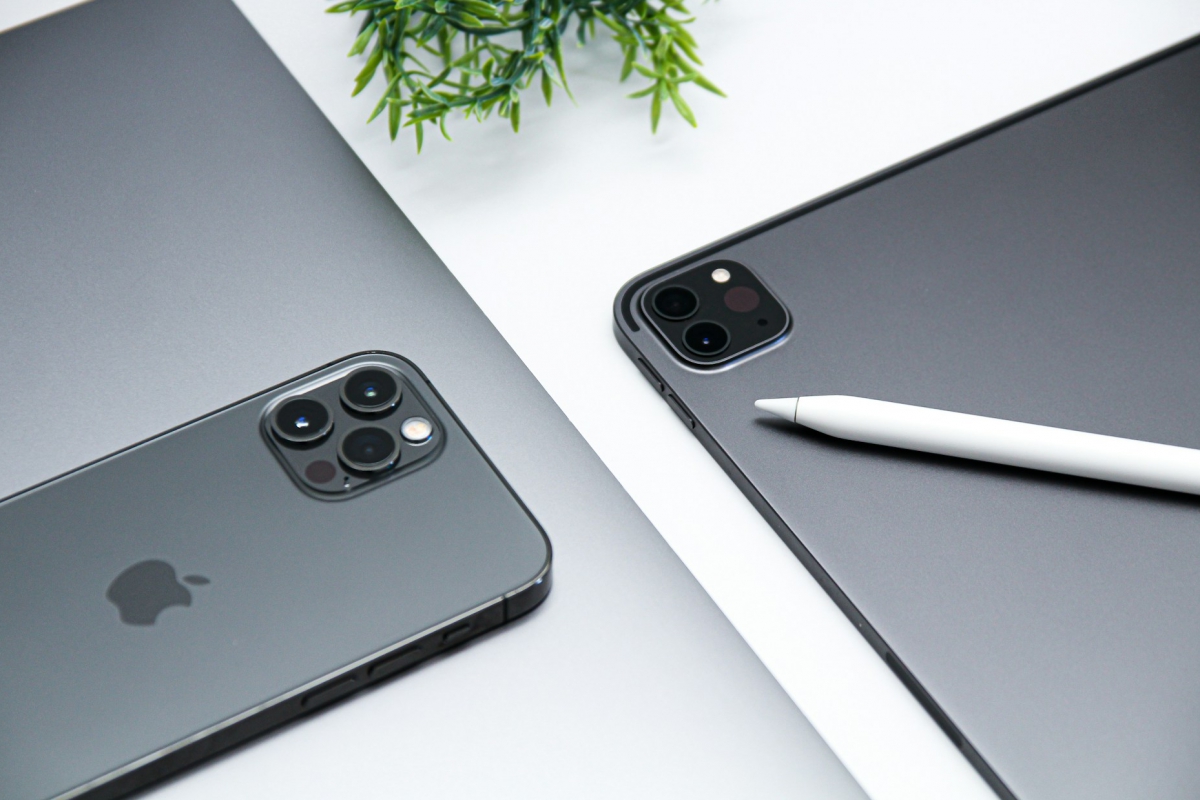
iPhone and iPad are the first consumer devices authorized to handle classified NATO information
Apple has announced that the iPhone and iPad are the first and only consumer devices to meet the information security requirements of NATO nations. This certification allows both products to be used with classified information up to the level NATO RESTRICTED with no special software or additional configuration required, a level of government certification that no other consumer mobile device has achieved.
The approval comes after these devices received authorization to handle classified data from the German government using only the native security measures of iOS and iPadOS. The certification process was carried out by the German Federal Office for Information Security (Bundesamt für Sicherheit in der Informationstechnik or BSI), which conducted extensive technical assessments, comprehensive testing and in-depth security analysis.
Devices that run iOS 26 and iPadOS 26 They are now certified for use in all 32 NATO member countries. The BSI confirmed that the security capabilities built into the Apple platform meet the demanding operational and assurance requirements of NATO nations. As a result, iOS 26 and iPadOS 26 now appear in the NATO Information Assurance Product Catalog.
The security technologies that have enabled this certification include top-level encryption, biometric authentication with Face ID, and innovative features such as Memory Integrity Enforcementa protection that guarantees that the code executed in memory has not been manipulated. According to Ivan Krstić, Apple’s vice president of Security Engineering and Architecture, “before the iPhone, secure devices were only available to sophisticated government and enterprise organizations after massive investment in custom security solutions.”
What changes for NATO officials and governments
Until now, personnel from governments and NATO military organizations who needed to work with classified information had to use specialized devices with specific security software, or carry multiple devices: one personal and one for classified work. This certification eliminates that barrier, allowing a Standard iPhone or iPad can directly handle restricted NATO information.
From a practical point of view, this represents a big change. Officials and military personnel in all 32 member countries can now use their Apple devices to access documents, communications and data that previously required dedicated equipment. This not only simplifies logistics, but also represents considerable cost savings for governments, who no longer need to purchase, maintain and manage fleets of specialized devices.
For organizations, certification also opens the door to a greater flexibility in remote work policies and mobility. Personnel with access to classified information can work more agilely without compromising security.
NATO’s four levels of classified information
NATO classifies its information into four levels based on the harm its unauthorized disclosure would cause. The highest level is COSMIC TOP SECRETapplied to information whose disclosure would cause exceptionally serious harm. It follows NATO SECRETfor information that would cause serious harm, NATO CONFIDENTIALthe disclosure of which would be harmful, and, finally, NATO RESTRICTEDwhere disclosure would be disadvantageous to the interests of the alliance.
Apple’s certification covers up to the NATO RESTRICTED level, which, although the lowest of the four classified levels, still requires secure transmission media and cannot be shared publicly. This level includes operational, logistical and administrative information that, although it does not directly compromise national security, must remain within the scope of NATO.
Claudia Plattner, president of the BSI, noted that “secure digital transformation is only successful if information security is considered from the beginning in the development of mobile products.” The certification recognizes that Apple has built security into the fundamental design of its devices, rather than adding it as a later layer.
