
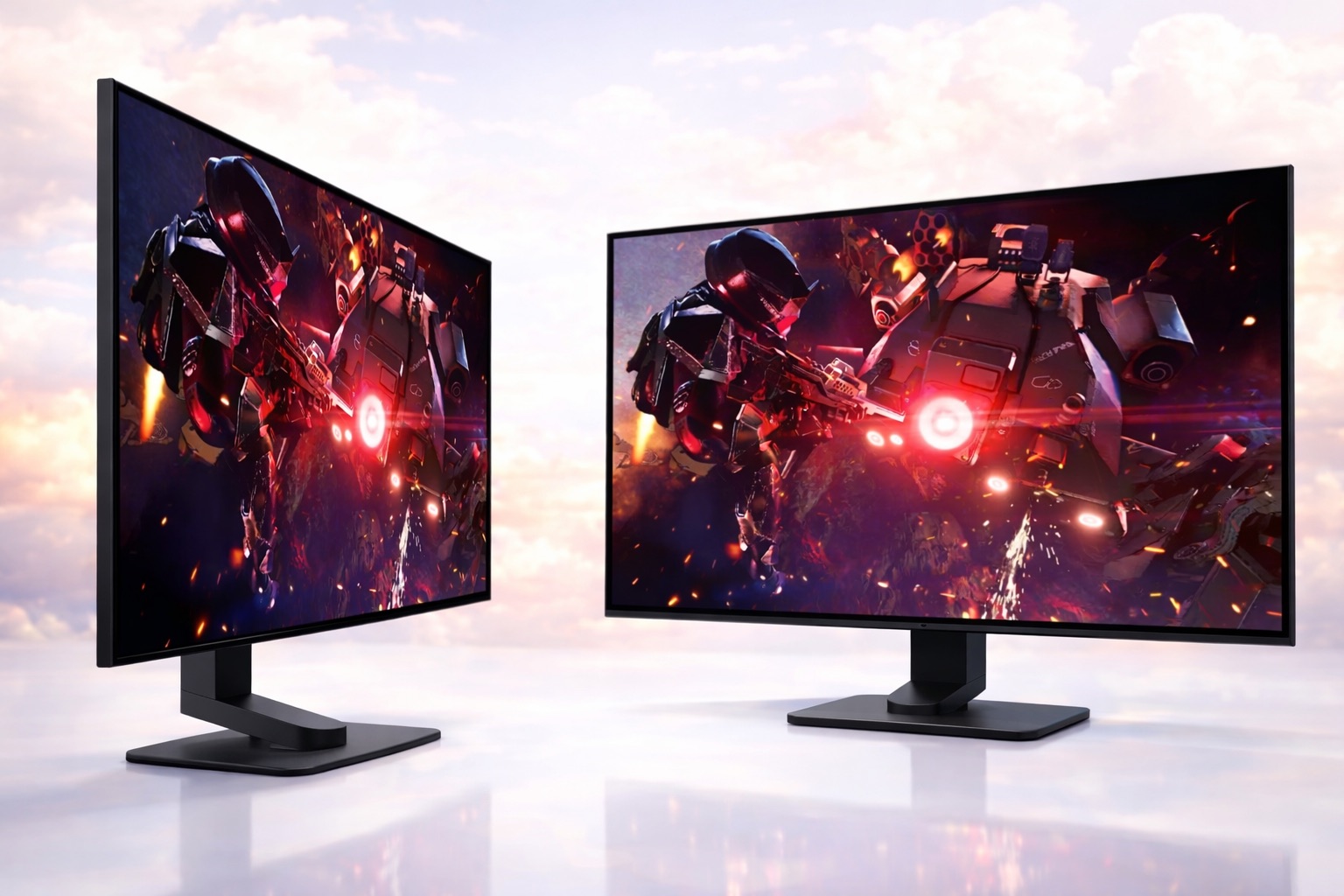
OLED, 540 Hz in QHD and 720 Hz mode for those who live for and for competition
Sony has presented the Inzone M10S IIa monitor that does not try to please everyone and that is precisely why it is so interesting. The Japanese brand has decided to go after the competitive player with a very specific proposal: a 27-inch OLED panel, QHD resolution, up to 540 Hz in its native mode and a dual mode at 720 Hz in HD Designed for those who prioritize speed above any other consideration. It is a niche product, yes, but one that is increasingly demanding and more willing to pay for very specific advantages.
Sony also launches it with a price of 1,099.99 dollars (about 931 euros)a high figure even within the premium segment, but consistent with the ambition of the technical sheet. Here we are not looking at a generalist gaming monitor.
Sony doesn’t just want more hertz: it wants a monitor made for tournaments
The easy thing would be to stay with the headline of 540 Hz, but the advertisement has more layers. He panel offers 0.02 ms response time, a dual QHD 540 Hz / HD 720 Hz mode, specific modes such as FPS Pro and FPS Pro+, 24.5-inch emulated option within the panel and a collaboration with Fnatic that Sony uses to reinforce the product discourse designed with a competitive mentality. It’s not a coincidence. Everything about this monitor is aimed at conveying that the goal here is not to impress in a store, but to function within a serious gaming environment.
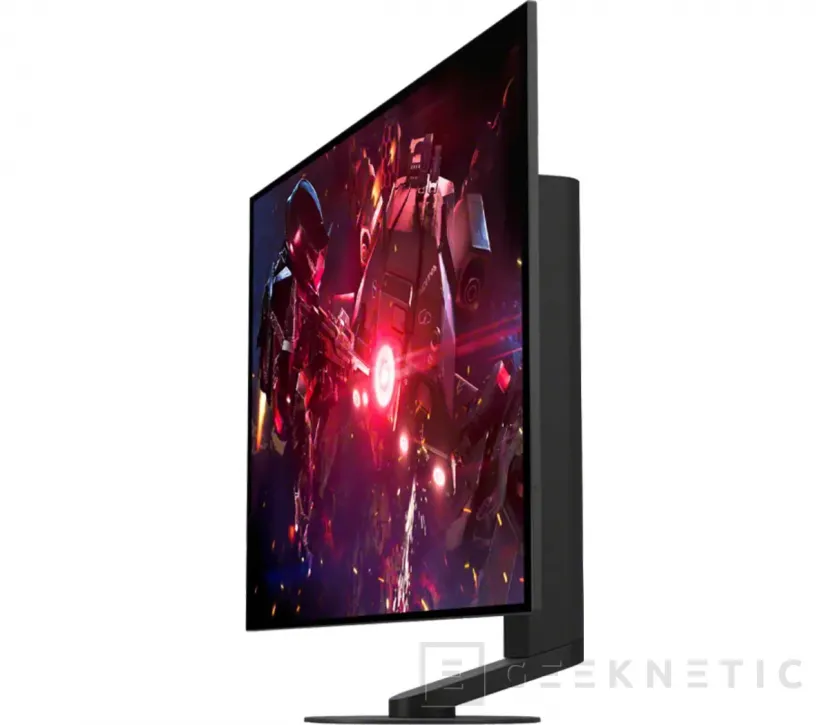
Improvements that go beyond pure speed also appear, such as a new Super Anti reflection Filmmotion blur reduction, flicker mitigation with Anti VRR Flicker and a redesigned stand with reduced footprint and more fit. These are details that fit with something very typical of the esports ecosystem: it is not enough to see faster, you also have to see better, with less reflections, fewer distractions and ergonomics designed for long sessions and very specific playing positions.
The OLED fully enters the most competitive field
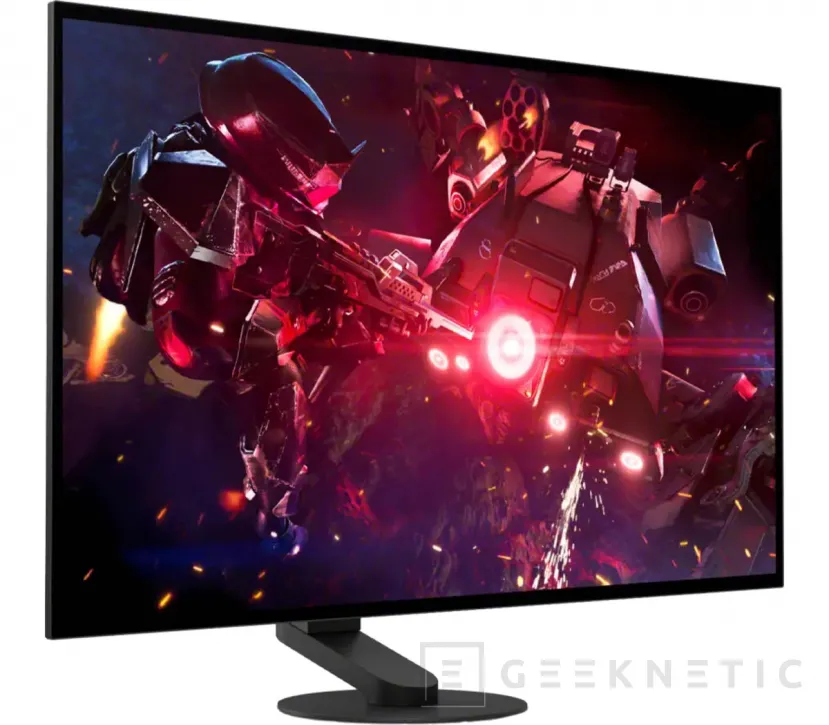
For a long time, OLED seemed doomed to a conversation dominated by image quality, contrast and multimedia consumption. Now that is changing. The Inzone M10S II demonstrates that this technology also wants to become strong in the space where other types of panel previously reigned due to historical inertia. With QHD at 540 Hz, 0.02 ms and a Peak brightness quoted on Sony materials up to 1500 nits In certain contexts, the brand seeks to stop OLED from being seen as something pretty but secondary to compete and to become considered a very serious option even at the highest level.
The decision also has commercial logic. The premium gaming market has been looking for differential arguments for some time that justify high prices beyond the logo and a handful of accessory functions. The OLED, well accompanied by extreme hertz and a clear focus, can become one of those true arguments.
Sony insists on building its own identity in gaming monitor
With Inzone, Sony has been trying to consolidate a recognizable identity in the field of PC and console gaming for some time. The M10S II reinforces that objective because it is the type of product that helps build reputation, even if it is not going to be massive. It serves to show technological muscleto place itself in specialized conversations and to convey that the brand not only wants to sell pretty monitors, but also really sharp products to compete.
This is helped by the choice of a 27-inch format, which remains one of the most balanced for esports, and the focus on DisplayPort 2.1a, HDMI 2.1 and USB huba logical package for those who switch platforms or need a more complete desktop ecosystem. Sony seems to have understood that, in this category, every little detail adds reputation.
An extreme monitor for an increasingly extreme market
The most striking thing about the Inzone M10S II is not only that it exists, but that it fits perfectly with the direction the segment is taking. There are more and more competitive gamers, creators and enthusiasts willing to pay for monitors with very specific functions. The race for hertz has no longer slowed down, and brands like Sony are now trying to combine it with a better panel, less reflections, more ergonomics and a more serious staging.
The result is a clearly niche screenbut very coherent within that niche. It is not intended to be the sensible purchase for everyone. It is intended to be a monitor that, when someone looks at a list of specifications intended for tournaments, automatically appears among the big names. And in that, at least on paper, he has few doubts.
With the Inzone M10S II, Sony makes it quite clear that it does not want to limit itself to following the trend in gaming monitors. He wants to push her. And if to do so you have to mix OLED, 540 Hz in QHD and a 720 Hz mode, you will do it without too many complexes. Sometimes a product does not need to conquer the entire market to be relevant. It is enough to define where the most demanding part of that market is moving. And this monitor, of course, goes exactly there.
