
Google adds video selfie login to recover accounts and avoid blocks
Security in digital services continues to evolve towards more accessible biometric systems. After strongly promoting passkeys, for example, with their integration into Wear OS, Google has announced the integration of a new authentication method based on a video selfie. It has been designed to facilitate recovering account access when the user loses their usual devices or the input password.
This new alternative seeks to solve one of the most common problems among users: being left out of their personal profile. Through this system, the company offers an additional layer of support against unforeseen blockages that complements existing options, such as the aforementioned access keys or recovery contacts.
In addition to helping the real owner enter their profile, this protocol acts as a collective protection filter. When requesting video proof of life, Google seeks to prevent automated computer programs and bots from creating fake accounts or violate the privacy of users for malicious purposes.
How video registration works and verification requirements
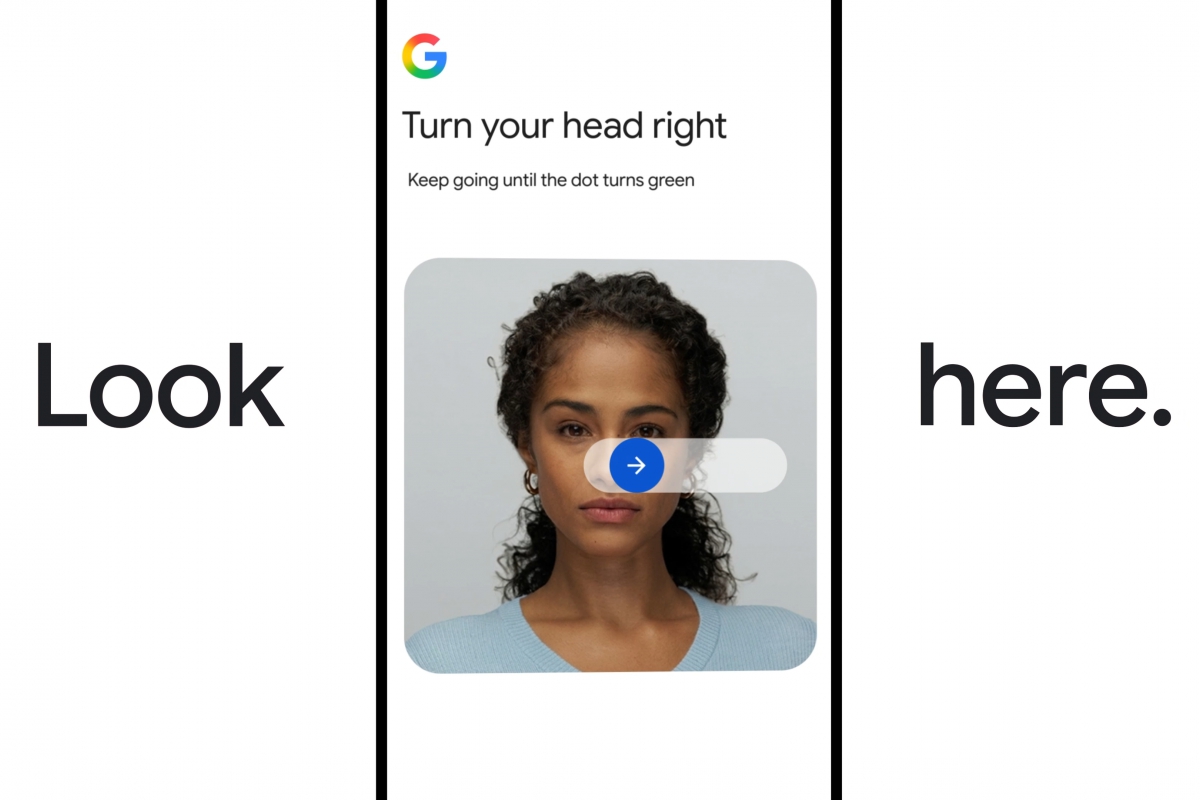
The initial setup process is done directly from a mobile phone camera. The system asks the user to stare at the screen and execute a series of brief guided head movements, allowing the face to be captured from multiple angles to create a dynamic facial pattern.
To ensure accurate verification during video recording, the company requires strict conditions to be met. For example, the face must be fully visible, without sunglasses, masks or hats. Likewise, the shot must be done with a WiFi connection, without other people in the background so as not to interfere with the technical analysis.
The security of this method is supported by several layers of protection that analyze the authenticity of the image in real time. To avoid possible impersonations through static photographs or AI-generated manipulations, the algorithm requires checking live physical movement to rule out the use of deepfakes. When a user needs to regain access, they simply record a new short video. The system compares the recent sample with the sample previously stored in the account and, after validating the match in a few seconds, Unlocks the service automatically so that the session resumes immediately. It’s that simple.
Biometric data privacy and user control
The processing of biometric information is one of the most sensitive aspects of this type of tools. When it comes to Google, it’s normal to worry. The company has been quick to clarify that Recorded videos are stored encrypted at rest within your personal accountensuring that data remains protected even when the service is not active.
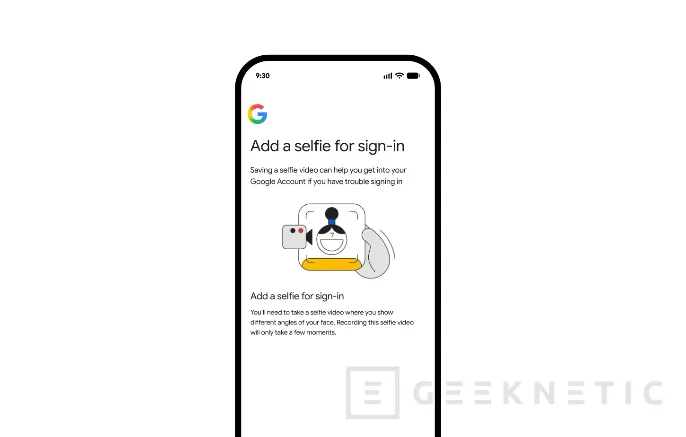
The management of this file is under the exclusive control of the profile owner. Any user can access the settings panel of their Google account to delete saved selfie video at any time without restrictionsalthough this action may limit future access to certain advanced verification features.
Additionally, the platform includes an optional setting to improve its algorithms. Users can voluntarily decide whether to allow Google to use these recordings to develop and optimize your facial recognition and age estimation technologieswith the freedom to activate or revoke this permission whenever they wish.
The distribution of this tool is being carried out gradually in different global markets. Now, Google has already enabled a support page for our market, which may indicate that it is a function that will soon reach all Spanish accounts.
