
Chinese manufacturer CXMT begins HBM3E memory production and plans to reach 600,000 wafers per month
In the midst of the memory shortage crisis due to the AI craze, the emergence of the Chinese manufacturer CXMT with increasingly higher production capacities has sparked reactions of relief in many companies and also suspicion in many others.
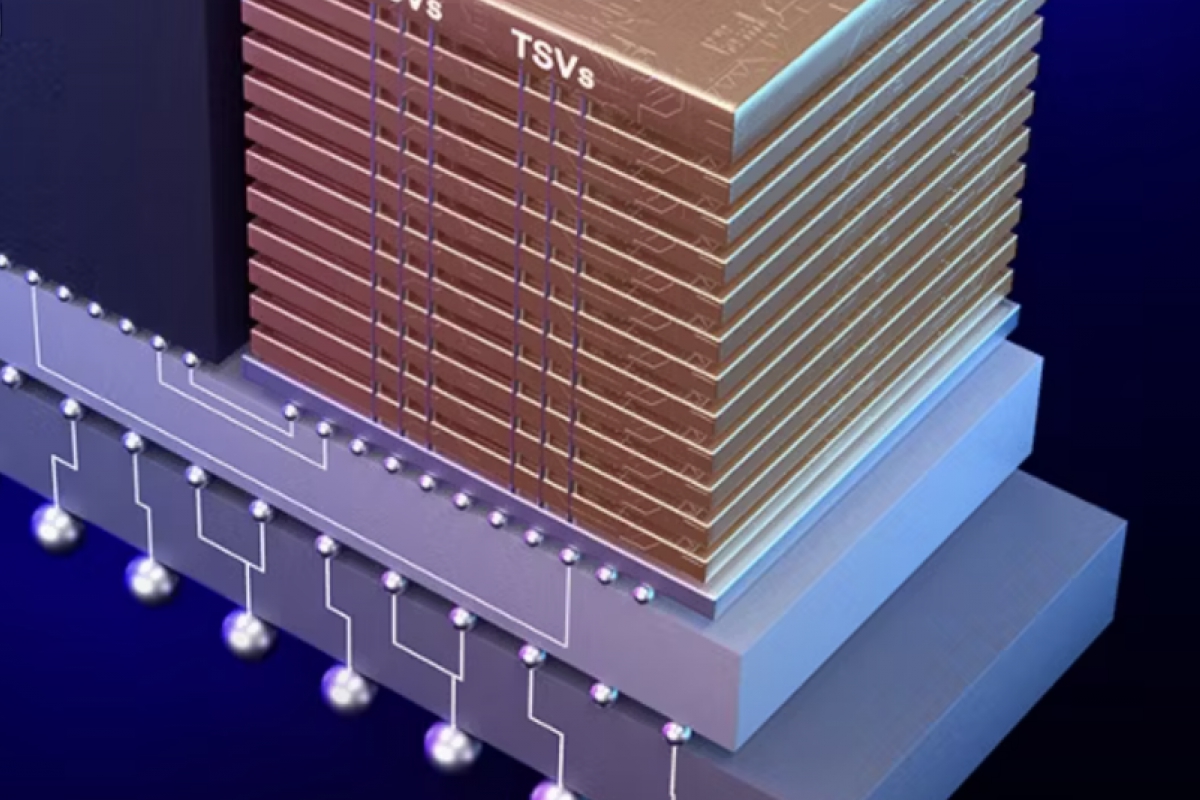
Be that as it may, after achieving yields (% of viable chips (per wafer manufactured) of 90% in DDR5 memory, now CXMT has announced that They are already manufacturing HBM3E memories.
CXMT plans to reach 600,000 monthly HBM3E memory wafers
Although traditional memory manufacturers like SK Hynix or Samsung are a couple of generations ahead, already with the HBM4E in their sights, a Chinese company like CXMT promises a production of 600,000 HBM3E monthly wafers open new opportunities in an increasingly memory-starved market.
Let’s not forget that this type of memory is especially used in accelerators and advanced systems for AI and HPC.
CXMT currently has two factories with a combined capacity of about 200,000 wafers per month, with plans in the coming months to reach 350,000. For reach the goal of 600,000 wafers, They will have to open new facilities, something that they have quite optimized by managing to open manufacturing rooms in half the time of their competitors (12 months versus 24 months).
Currently, the manufacturing of these HBM3E modules has started in the testing phase, and it is not yet known what specific specifications they will have. However, at a minimum they should comply with the JEDEC standard, that is, 1,024-bit data buses and speeds between 9.2 and 12.4 Gbps per pin for total bandwidths of 1.2 TB/s per chip.
Not much is known about the capacity either; The logical thing would be to expect 24 Gb chips in layers of 8 or 12 levels, which would give capacities of 24 to 36 GB.
This move will also allow China to reduce its dependence on foreign manufacturers; However, given the current shortage situation, it seems that even North American companies like Apple are interested in their memories.
