
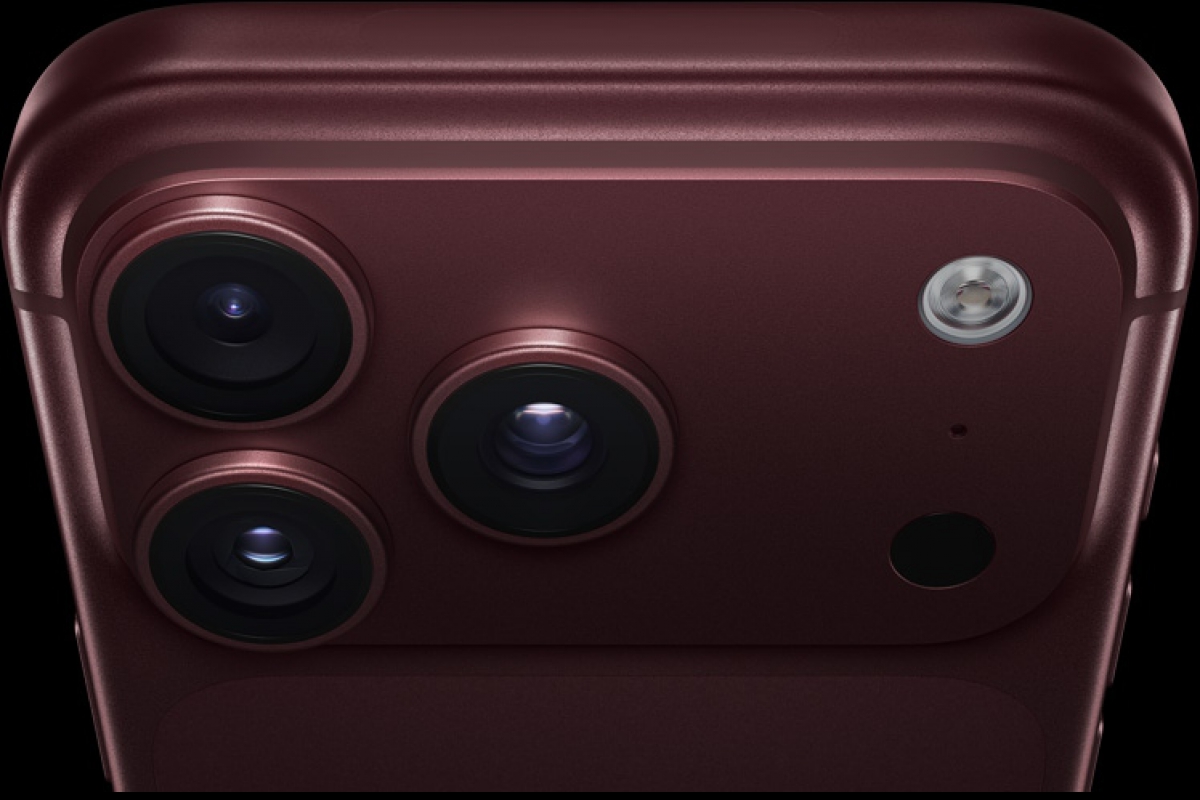
They test the vapor chamber of the iPhone 18 Pro Max against gaming phones: it operates at 44.3 degrees without fans
We can say that the new CEO of Apple is already reaping one of his first successes. The specialized YouTube channel Geekerwan has published a fairly in-depth analysis that tests the vapor chamber integrated into the new iPhone 18 Pro Max. The test measures the performance of Apple’s A20 Pro against the previous generation and other terminals equipped with Qualcomm’s Snapdragon 8 Elite Gen 5 processor.
The results are very positive and are in favor of the new Apple iPhone. The first fact that catches your attention is that the camera is capable of stabilizing the temperature at 44.3 °C, even with continuous charging. This puts on the table more contained records than those of its direct rivals.
iPhone 18 Pro Max takes on OnePlus 15 and iQOO 15 Ultra
The measurements carried out by Geekerwan monitored energy dissipation and surface heating using sensors attached to the chassis. They then subjected the devices to continuous workloads to stress the respective chips.
Under these conditions, the iPhone 18 Pro Max reached a power delivery limit of 5.9 W. Despite recording a similar consumption figure, the OnePlus 15 raised its temperature to 47.2 °C by dissipating 6.1 W, which represents a difference of almost three degrees compared to the Cupertino model.
Here is a summary of the results:
- iPhone 18 Pro Max. 5.9 W power limit and a temperature of 44.3 °C with passive cooling.
- iPhone 17 Pro Max. 5.4W power limit, reaching 45.2°C operating temperature.
- OnePlus 15. 6.1 W power limit with a maximum temperature of 47.2 °C.
- iQOO 15 Ultra (fan off). 5.9 W of power at a temperature of 47.2 °C.
- iQOO 15 Ultra (fan active at maximum). 7.3 W of power maintaining a temperature of 46.2 °C.
One of the opponents had active ventilation and, even so, he failed to beat the iPhone’s records
The direct comparison with the iPhone 17 Pro Max makes it clear that the adjustments that Apple has applied to its device this year have been worth it. The previous generation arrived for the first time with this heatsink element, although this year Apple has improved it.
While the previous model reached 45.2 °C with a consumption limit of 5.4 W, the new terminal dissipates an additional half watt, reducing the temperature by almost one degree. In this way, the new design optimizes internal heat transfer, allowing frequencies to be sustained without increasing external heating.
Another point of the test that caught our attention was the comparison with the iQOO 15 Ultra. This is a device aimed at gaming that integrates an active ventilation system integrated into the chassis. With the fan off, the terminal registered the same 5.9 W as the iPhone, although it reached 47.2 °C. By activating the fan at maximum speed, the system raised the power to 7.3 W reading 46.2 °C. Thus, the passive cooling of the iPhone maintains temperatures lower than those of the gaming device even when it uses mechanical ventilation.
