
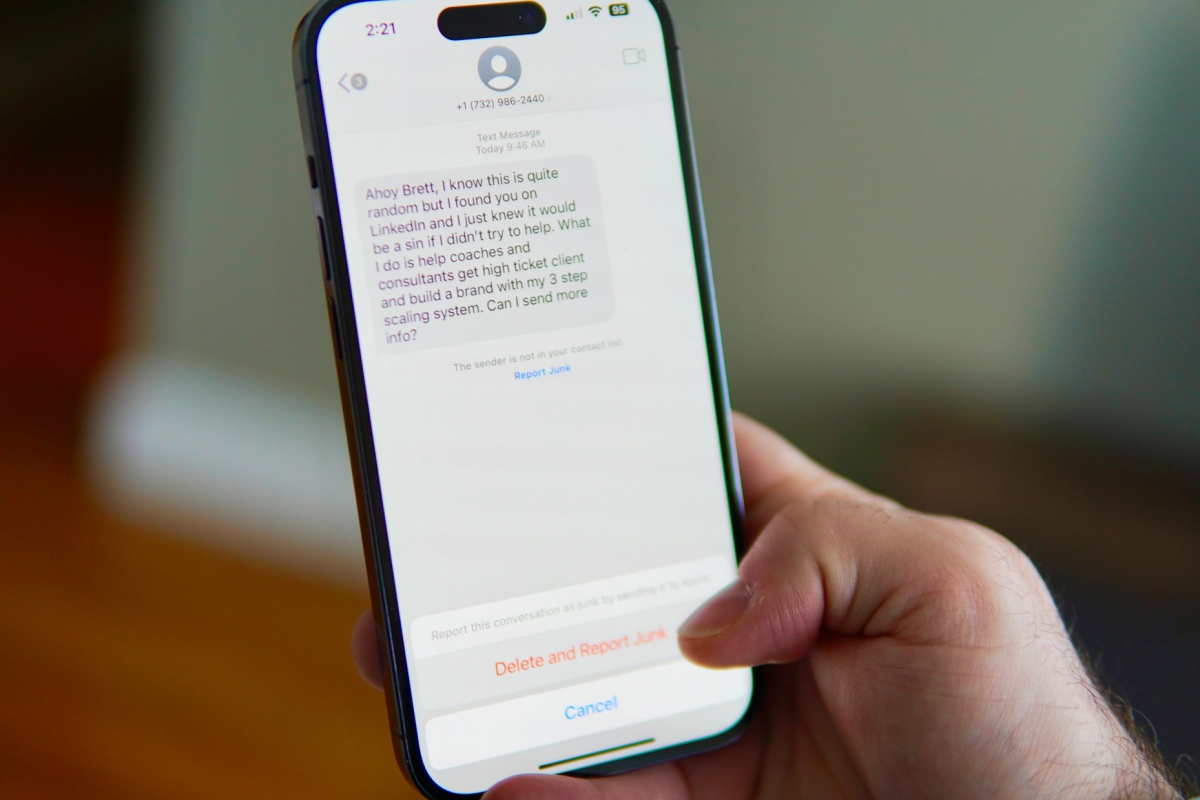
Now you can know who is really behind an SMS, even if it is signed with an alias
Using aliases to send SMS lightly is a thing of the past. This technique allows you to hide the real number when sending text messages. As you well know, this favors the phishingwhich consists of impersonating the identity of a company or organization for malicious purposes. Now, the CNMC already has the official record of sender aliasesas reported in Broadband. But what exactly changes?
To begin with, aliases do not cease to exist. In fact, they are quite useful for knowing the identity of a sender, even if they are not registered in the device’s phonebook. If the user can trust that the alias has been validated, they will have much more confidence in an SMS (or RCS, because it also works with this technology) that is signed, for example, by BBVA, than one that arrives from an unknown number. In other words: aliases are necessary and useful.
What changes, therefore, is who has the right to use the alias. From now on, it will be the CNMC itself that will grant this right after analyzing the real relationship between the sender and the alias that is desired to be used. Continuing with the previous example, if BBVA wants to use the alias “Banco BBVA”, the CNMC will first ensure that the entity that registers it is really this bank.
Trust once and for all who sends us SMS
The CNMC has had to delay the application of this list for a simple reason: it could not cope with the requests. Currently, the registration has already come into force and the entity has approved all the applications. As you review them, you will decide whether to revoke or keep them.
Another point that the source points out and that is important is that the operators will have to consult the registry before sending the SMS to the recipient. If the alias does not correspond to the registered entity, the SMS is blocked and does not reach the recipient. If this entire technical plan is strictly applied, it is clear that users will be able to have confidence that the text messages they receive are actually legitimate or not an attempt at impersonation.
Best of all, aliases are public and any citizen can review them. Simply enter the official website of the CNMC and enter a query in the search engine. As noted just below the text box, the system is case sensitive, so it is important that you enter the alias exactly as it appears in the messaging app on your device.
