
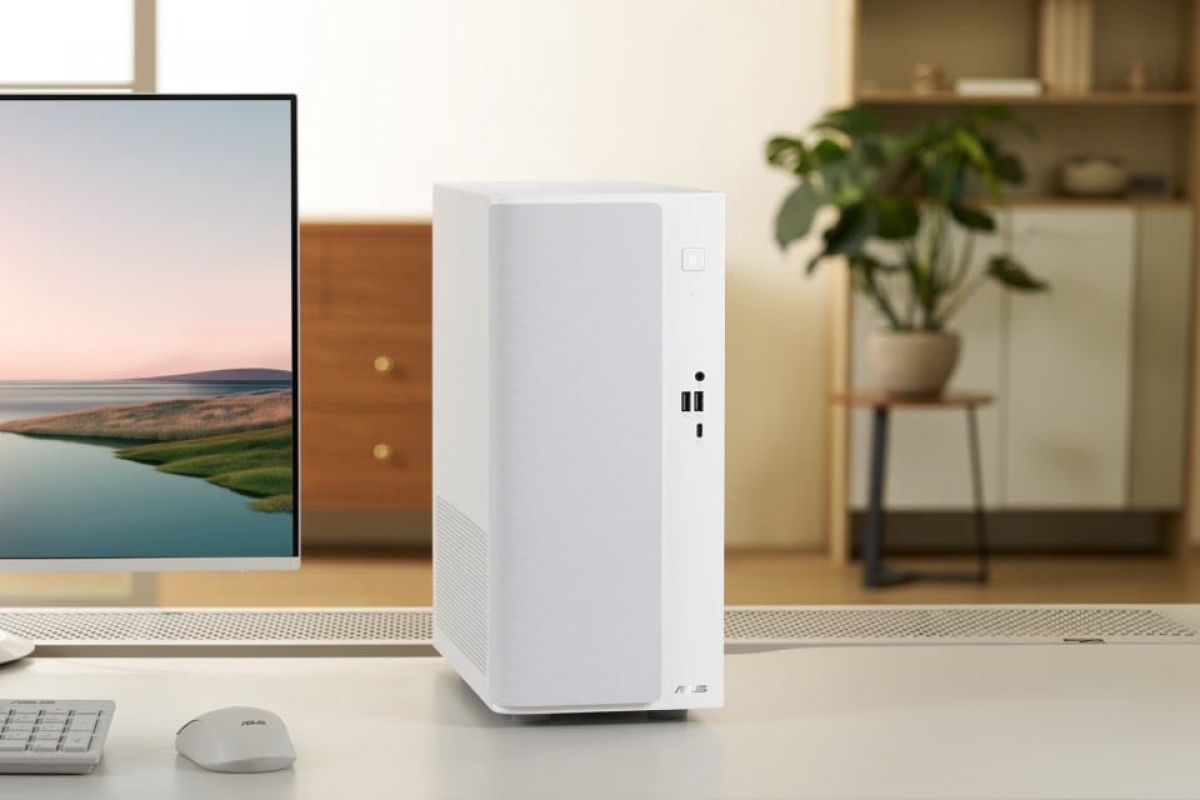
ASUS launches V500 Mini Tower with mobile Ryzen 5 220 and RTX 5060 option later
ASUS has put the V500 Mini Tower on salea small desktop that relies on AMD mobile silicon instead of the usual desktop processors, with the promise of a future configuration with dedicated GeForce RTX 5060 graphics that will arrive later.
The strategy of using processors originally designed for laptops in compact desktop computers is not new, but it continues to raise doubts among users about the real performance that can be expected from this type of machines. In the case of the V500 Mini Tower, ASUS has chosen to start from a fairly contained input configuration, leaving the most powerful option with dedicated graphics for a later phase.
The first available configuration includes an AMD Ryzen 5 220 processor, 16GB of DDR5 memory, a 512GB PCIe 4.0 SSD, and Windows 11 Home preinstalled. This equipment is available for 599 euros.
A low-power processor without a dedicated NPU
He Ryzen 5 220 What mounts this first configuration is a low-power mobile processor that combines two Zen 4 cores with four Zen 4c cores, adding a total of 12 processing threads. Its default TDP is 28 W, a figure very far from conventional desktop processors, but consistent with its origin as a chip originally designed for laptops.
This processor includes Integrated Radeon 740M graphics with four compute unitssufficient for desktop tasks and multimedia content, although limited for any use related to demanding video games. Unlike the Ryzen 7 260, which is part of AMD’s most recent silicon family, this Ryzen 5 220 does not include a dedicated Ryzen AI NPU, clearly placing it at the entry level within the company’s mobile processor catalog.
Up to 64 GB of memory and WiFi 6 connectivity
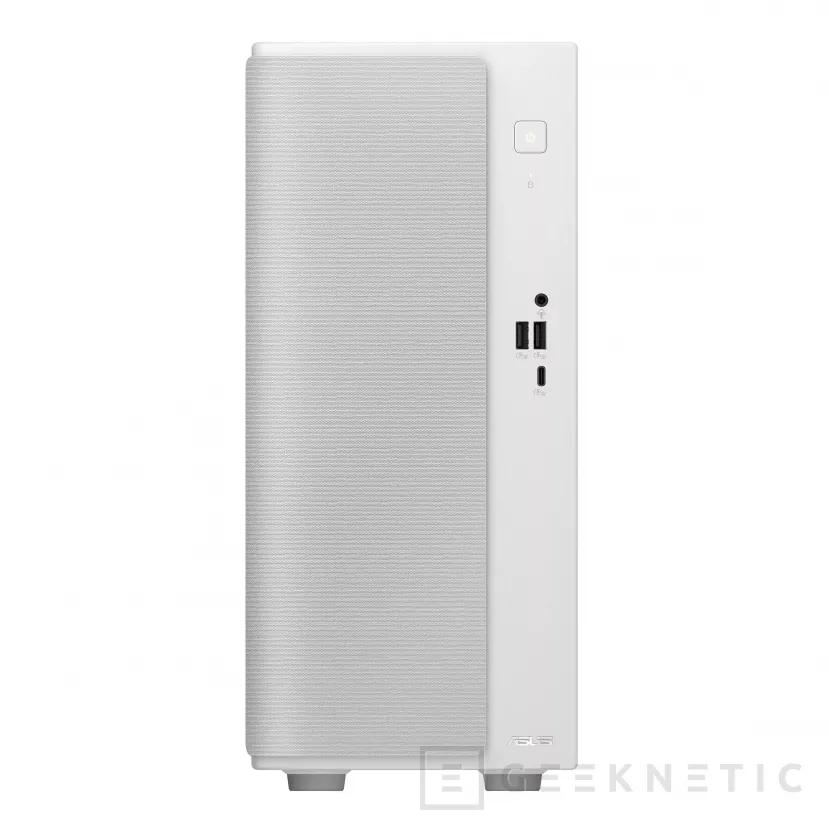 Beyond the initial configuration, the V500 Mini Tower Supports up to 64GB of DDR5-5600 memory via two SO-DIMM slotsthe same memory format used by laptops. In terms of storage, the chassis has two M.2 2280 connectors, one additional SATA port, and one PCIe 4.0 x16 expansion slotdesigned precisely to house the future dedicated graphics.
The connectivity of the device includes WiFi 6 (no WiFi 7), Bluetooth 5.4, Gigabit Ethernet, HDMI 2.1 output, DisplayPort 1.4, USB-C port and several USB-A ports, a fairly complete package for a device of this size and price segment.
The V500 Mini Tower chassis It is 35.7 centimeters tall and weighs around 6 kilosdimensions that clearly place it in the segment of mini PCs aimed at occupying the minimum possible space without giving up a certain internal expansion capacity, something that is not always guaranteed in such small formats.
The specification currently published by ASUS indicates that this equipment incorporates a 180W power supply with 80 PLUS Bronze certification. This data is relevant for the future configuration with RTX 5060 graphics, since a source of this power seems insufficient to power a dedicated graphics card of this caliber along with the rest of the system components. Everything indicates that the variant with GeForce RTX 5060 will use a different power supply, although ASUS has not confirmed this.
The variant with dedicated graphics, still without complete specifications
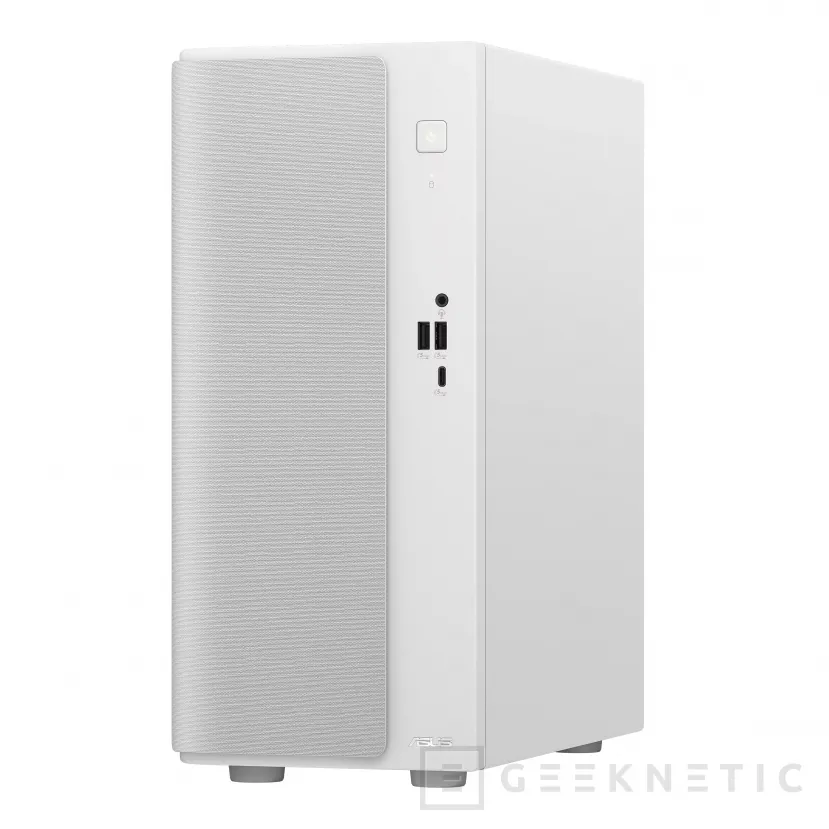 At the moment, ASUS has not released the full specifications or availability date for the GeForce RTX 5060-equipped V500 Mini Tower configuration. It is unknown if this variant will maintain the same processor Ryzen 5 220 of the entry configuration or if, on the contrary, it will incorporate a more powerful chip within the Ryzen 200 range to better take advantage of the added graphics capacity.
It has also not been confirmed if this second configuration will only reach the same markets where the base model is already available (Germany and Austria). or whether ASUS will expand its availability to other European countries upon launch.
With a Entry price of 599 euros for the configuration with Ryzen 5 220ASUS seems to target an audience that values the small size of the chassis and the possibility of expanding the equipment later, rather than those looking for the maximum possible performance from the first moment.
The use of mobile silicon in a desktop computer also has direct implications on the power consumption of the set. As it is a processor with a TDP of only 28 W, the V500 Mini Tower in its entry configuration should maintain fairly low overall consumption, something that may be attractive to those looking for a silent device for daily use with a low electricity bill, although at the cost of sacrificing the raw performance that a desktop processor equivalent in price would offer.
Looking ahead to the arrival of the variant with GeForce RTX 5060, it will be especially interesting to see how ASUS manages thermal dissipation within a chassis of such small dimensions. Combining a dedicated mid-range graphics card with a chassis that is just 14 inches tall usually forces manufacturers to completely redesign the internal cooling system, something that could explain why this configuration does not yet have full specifications or a confirmed release date.
