
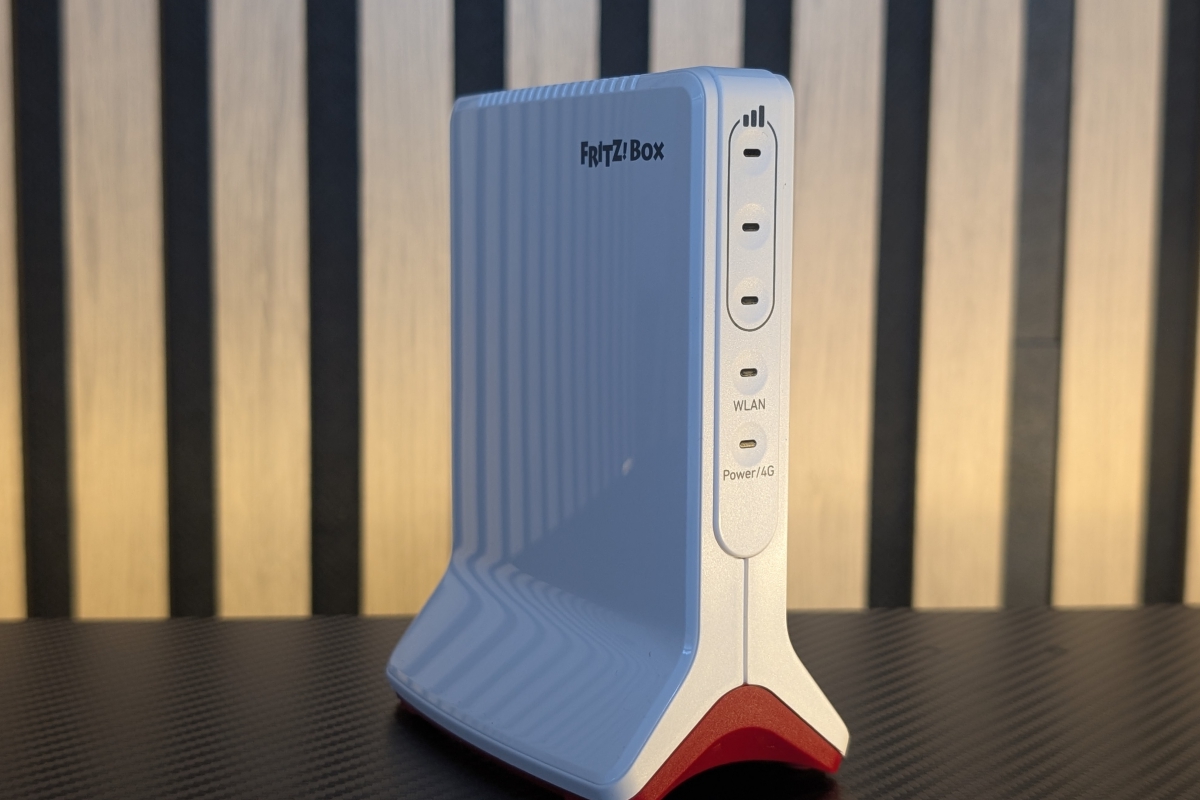
European manufacturers found SAFENet to ask the EU for greater regulation on routers from third countries
The European Union has focused part of its latest efforts in terms of digital sovereignty on the deployment of 5G network infrastructure, vetoing Chinese companies suspected of leaking data to their country’s government, such as Huawei or ZTE.
Now, European manufacturers such as FRITZ!, LANCOM, TDT and Devolo have warned of the danger of not regulating and checking the security of cable internet infrastructures, that is, routers. These devices, present in most companies and homes, are the access point to the Internet. In fact, 93% of the EU’s internet traffic passes through this type of device, leaving only 7% for mobile networks.
To do this, they have created the SAFENet platform “Sovereignty Alliance for European Network Technology” or “Alliance for Sovereignty in European Network Technology” with which they want to pressure the EU authorities so that routers and other fixed network hardware receive the “same regulatory protection as the mobile sector” to prevent it from falling into the hands of third countries.
From SAFENet they demand three urgent measures from legislators. The first is transparency, forcing operators and manufacturers to break down where hardware and firmware are produced, including white label models. The second is that public administration and critical infrastructure prioritize European hardware, and the third is the creation of a 5G-like “security toolbox” to classify and limit high-risk components.
These measures have as their background the use of routers mainly from China or the US.
Users distrust Russian, Chinese and US routers, but do not know where most of them come from
Through a survey conducted by YouGov for FRITZ! The company highlights that, in Spain, 60% of respondents affirm that they trust devices manufactured in Europe, while origin from outside continental borders generates notable misgivings. Routers manufactured in Russia are the worst off, accumulating 57% of distrust among Spaniards, followed by devices from China with 36% and those from United States with 31%.
However, 46% of Spaniards do not know which country some of the best-known brands of routers in China come from, and more than 60% do not know that FRITZ! It’s European.
SAFENet assures that its objective is for Europe to maintain control over its networks and infrastructure.
Digital sovereignty is a very important issue that has taken on even greater relevance in recent times. The ups and downs of international politics, where traditionally allied countries have begun to pose a threat, together with the technological dependence on others, make a policy that prioritizes the security of the data and infrastructure of European countries desirable.
However, although the founding pillars of SAFENet are those of a “Europe with control over its networks and infrastructure”, we cannot forget that Its founders are an interested party in a regulation that penalizes competition from other countries.
On the other hand, if we look for related measures in other countries, we can see that the US has already banned domestic routers manufactured outside its borders.
