
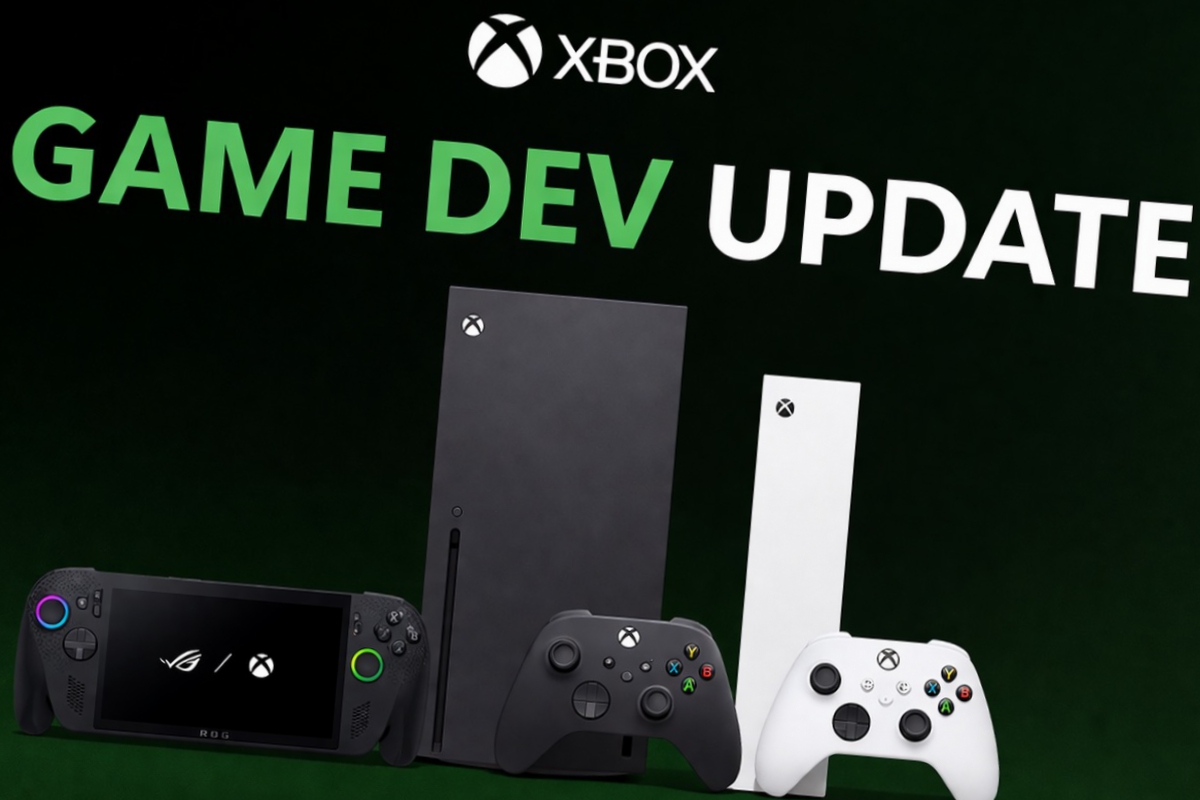
Microsoft announces a developer event on May 7 focused on Project Helix, the next Xbox console
Microsoft has set the next May 7 as the date for the first delivery of the Xbox Game Dev Updatea new program with which the company wants to centralize all the technical information related to its next generation of hardware.
The announcement comes a few weeks after the closing of the Game Developers Conference (GDC), where Project Helix was one of the main protagonists of the sector’s technical conversations. Microsoft is now taking advantage of that momentum to open a more regular communication channel with the studios, something that the company has been trying to improve for some time. Bryce Baer, Senior Director of Xbox Ecosystem Marketingexplained that the goal of the program is for developers to be able to “connect the dots” without having to track different sources to follow changes that affect their daily work.
Project Helix: what is already known
Project Helix is the code name of the next Microsoft consoleconceived as a direct successor to the Xbox Series X/S family. The system is powered by a custom SoC from AMD and has been co-designed to work with the next generation of DirectX. Jason Ronald, VP of Next Generation at Xboxhas personally clarified that it is first-party hardware manufactured internally, thus ruling out rumors that it could be a device produced in collaboration with third parties such as ASUS.
One of the features already confirmed is that Project Helix will be able to run both native Xbox titles and PC games, expanding the system’s potential catalog from day one. Regarding the graphic section, the console will incorporate a GPU based on AMD’s RDNA architecturealthough without specific and customized implementations for Microsoft hardware.
What will be in the first episode
The first Xbox Game Dev Update will be hosted by Chris Charla, General Director of Portfolio and Programs, and by Jason Ronald himself. Together they will do a more detailed review of what was presented at the GDC and give more context about what Project Helix represents for the future of the platform.
The session will also include a segment by Travis Bradshaw, Senior Product Managerwhich will cover the new development tools presented during the conference: the new PlayFab Foundation mode, the Xbox PC Remote Tools and the April GDK, among others.
Shawn Hargreaves, Principal Engineering Managerwill review the state of DirectX with special attention to DirectStorage, and Annette Porter will present the upcoming changes to the Xbox Marketplace. Overall, it is a program dense with technical content that, however, is relevant for anyone who wants to understand where the Xbox ecosystem is moving in the coming years.
A complicated context for the brand
The moment in which this initiative arrives is not the easiest for Microsoft. The Xbox Series X/S family failed to connect with the public in the expected way compared to a PlayStation 5 that has clearly dominated the current generation.
Added to that is economic uncertainty. which has already emerged through the own words of Xbox CEO Asha Sharma: the increase in the cost of RAM on a global scale could affect both the final sales price of Project Helix and its availability at the time of launch.
Despite this scenario, Microsoft has given clear signs of wanting to accelerate the communication cycle around the console. The sending of Project Helix promotional packages to content creators, signed by Sharma herself, indicates that the company is already thinking about generating excitement among the general public, not just among developers.
Beyond the technical details that will be revealed in each installment of the Xbox Game Dev Update, the community hopes that Microsoft will clarify aspects that are still pending: the final price of the system, the compatibility strategy with PC games and the specific distribution terms that will be offered to studios. Opening a direct channel with developers may be the way to progressively answer some of these questions, although the pace at which the answers arrive will depend on the extent to which Microsoft is ready to commit to specific figures and dates.
