
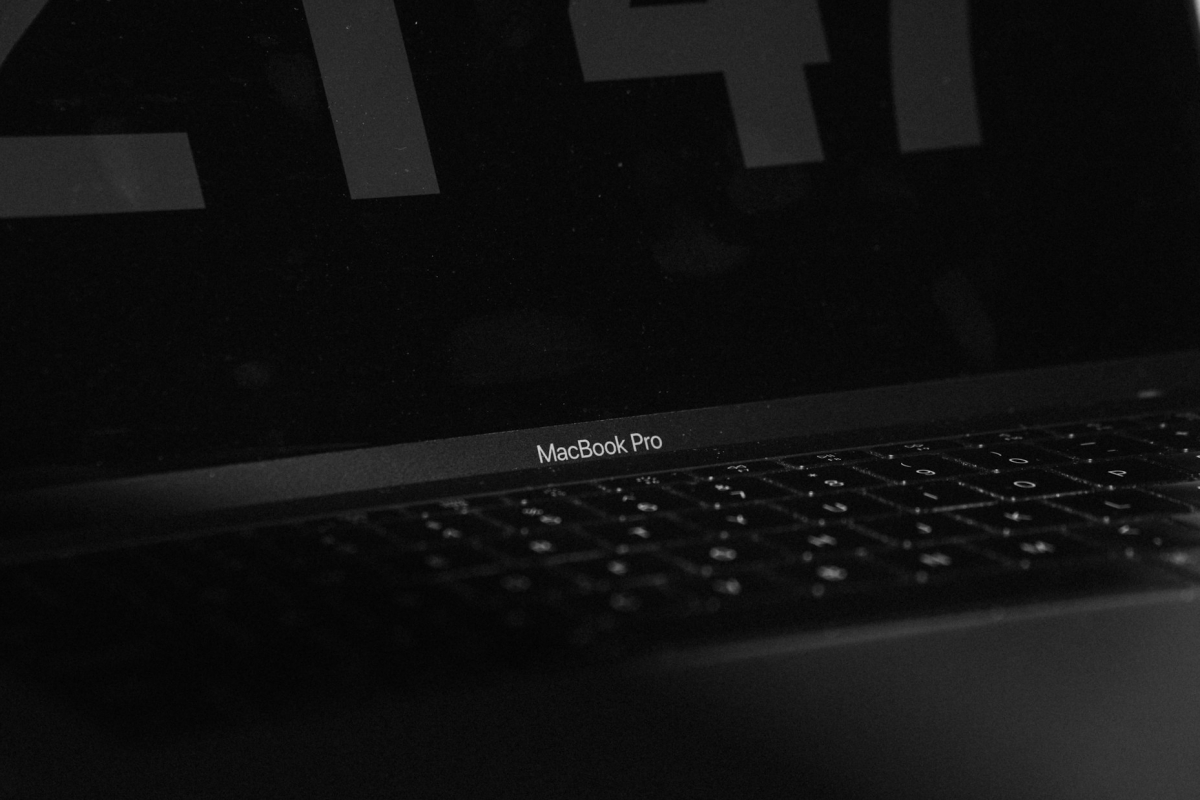
The success of the MacBook Neo would boost Apple as the world’s third largest laptop manufacturer
The Cupertino company’s price diversification strategy is paying off in the global market. According to the latest projections from the analysis firm Sigmaintell, Apple is on its way to becoming the third largest laptop supplier at the end of 2026. This historic milestone displaces Dell from its traditional position on the podium, marking a significant change in the dynamics of an industry historically dominated by Windows environment assemblers.
The data from the report indicates that the sector will continue to be led by Lenovo with 43 million units, followed by HP with 39 million. For its part, the apple firm will register an outstanding year-on-year jumpgoing from 23 million MacBooks sold in 2025 to the 28 million projected for this year. This growth is not explained by the traction of its high range, but by the emergence of a new and aggressive entry category.
The impact of an input model on the production chain
The main driver of this growth is the recently launched MacBook Neo, a device that has broken the adoption barrier of the macOS ecosystem. Interest has been so high that the company has had to revise its production plans upwards, setting a new goal of 10 million units. Initially, internal estimates only contemplated selling between five and eight million devices throughout the life cycle of this generation.
At the engineering level, the viability of this laptop lies in the reuse of components from its mobile division. That is, without a doubt, one of the key points. By integrating the A18 Pro processor originally designed for the iPhone 16 Pro (it is not even the chip in the latest iPhone model available), the manufacturer manages to maintain a healthy profit margin while offering reliable performance for everyday office tasks. This technical decision allows the brand to cover the most economical segment of the computer market without depending on the schedules of external suppliers such as Intel or AMD.
Another key point is that the chip architecture relies on unified memory, a factor that optimizes the supply chain and facilitates the execution of modern workloads. Thanks to this integration, even the most economical models can manage light tools of artificial intelligence locally. Although the capabilities of the base system are limited compared to the M series processors, they are enough to attract students and home users away from Windows.
Technical concessions compared to the performance of the higher ranges
Reaching this price level requires significant cuts to the device’s hardware. When reviewing the key differences compared to the MacBook Air M5, we see that the budget device lacks Thunderbolt ports and has a smaller battery. Additionally, the base model features the notable absence of the Touch ID sensorforcing the user to enter their password at each login, a striking deficiency in today’s computing world.
Another of the most talked about limitations of the laptop is its immovable ceiling of 8 GB of RAM, along with a bandwidth of just 60 GB/s. This configuration means a clear bottleneck for video editing or professional creative workflows. Aware of this room for improvement, forecasts are already circulating in the industry about a second generation for 2027 that would integrate the future A19 Pro chip and increase the memory to 12 GB.
With the remaining 18 million units projected for the Air and Pro families, the manufacturer’s global strategy is perfectly outlined. By covering all budget segments, from university classrooms to audiovisual production studios, the company ensures a huge share of the technology market. Meanwhile, in the desktop range, Apple has recently said goodbye to the Mac Pro to focus its efforts on the mini and Studio models.
