
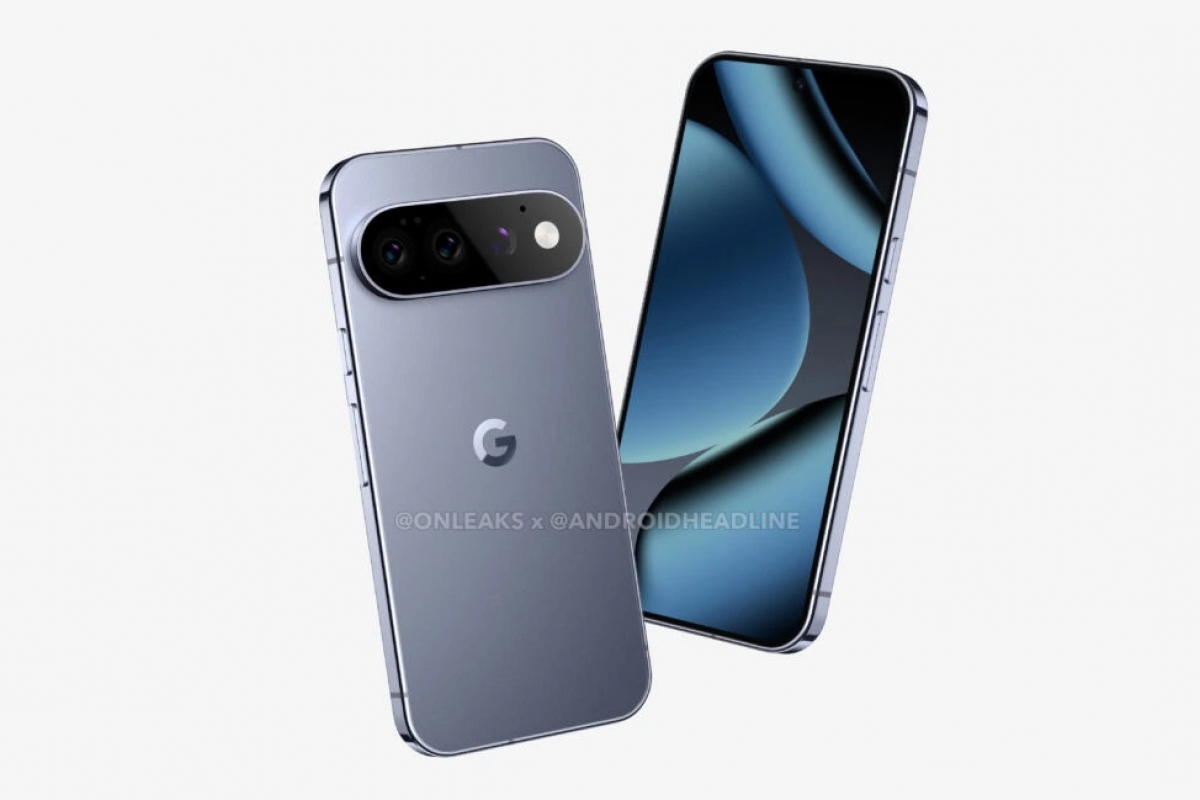
The Pixel 11 Pro points to another year of minimal changes and once again raises an uncomfortable question for the sector
After the leak of the base design of the Pixel 11, now it is the turn of the Google Pixel 11 Prowhich, according to the renders published by Android Headlineswill maintain a very continuous line with respect to the current generation. At first glance, the changes are once again minimal. It is a new model, but with the same design language, the same general format and barely any visual adjustment to the camera module, which would now appear completely obscured.
The leak fits almost millimetrically with what we already had when talking about the first renders of the Google Pixel 11. Google would continue to bet on a recognizable recipe, with rounded edges, front perforation and that rear bar for cameras that has become one of the hallmarks of the Pixel family. In the case of the Pro model, the main visual nuance would be in that rear module, where black would cover the entire surface instead of leaving part of the chassis color visible next to the flash.
On paper, there’s nothing particularly surprising. The terminal would retain a 6.3 inch LTPO AMOLED displaydimensions practically identical to those of the Pixel 10 Pro and internal hardware that would once again revolve around the Tensor G6. There is also talk of 16 GB of RAM, a 5,000 mAh battery and base storage yet to be defined, with the question of whether Google will remain anchored at 128 GB or will finally decide to start at 256 GB in a Pro model.
Google is not alone on the path of saturation: it is a problem for the entire market
The point is that this leak not only talks about the Pixel 11 Pro, but about the moment that the smartphone is experiencing in general. It is increasingly difficult to distinguish one generation from the next without going to the technical sheet or the model number. The innovation perceived by the user has slowed down and manufacturers seem trapped in annual cycles where they have to launch something new even though the margin for real change is slim.
Google, in reality, does not do anything very different from what Apple, Samsung and much of the sector have been doing for some time. Mobile phones have reached such a high level of maturity that improving from one year to the next no longer usually translates into radically different experiences. Processors are tuned, cameras are tweaked, screens are adjusted and artificial intelligence functions are added, but the practical leap for the average user is becoming smaller and smaller.
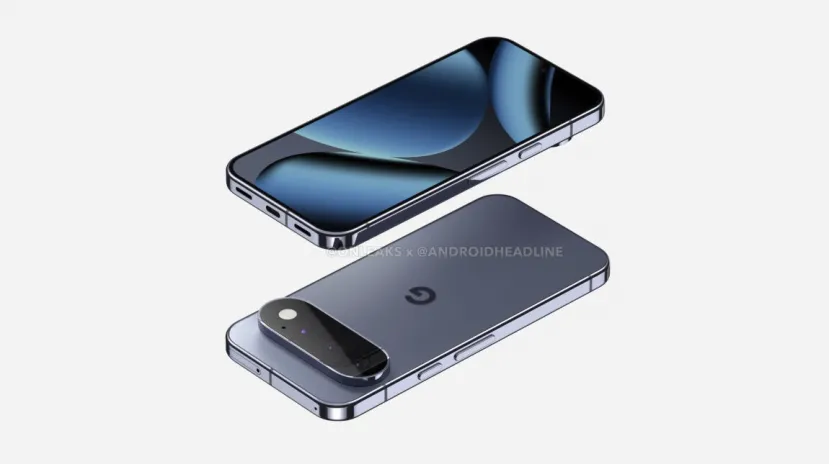
With this in mind, the Pixel 11 Pro has a pretty recognizable feel. It is an evolution, not a novelty. And that doesn’t have to be bad if the product was already good, but it does reopen an increasingly reasonable question. If the changes are so contained, does it make sense to continue launching a new mobile phone every year as if each generation marked a turning point?
The challenge is no longer just to improve the mobile, but to justify why a new generation exists
Google is likely to reintroduce the Pixel 11 family in August, maintaining the schedule of recent years. It is also likely that the Tensor G6, the possible jump to the MediaTek M90 modem and some memory or storage adjustments will serve to build the technical discourse of the launch. But the difficult part is no longer announcing the phonebut to convince that there is a clear reason to renew compared to the previous year’s model.
Google would only have to play the specifications card. Will it be able to launch a device with a chip at the top of the range? Is it time to make the jump to 256 GB? Will there be tangible news in photographic hardware? Hopes are low, as the design is not the only thing that seems stagnant. So are the internal components.
