
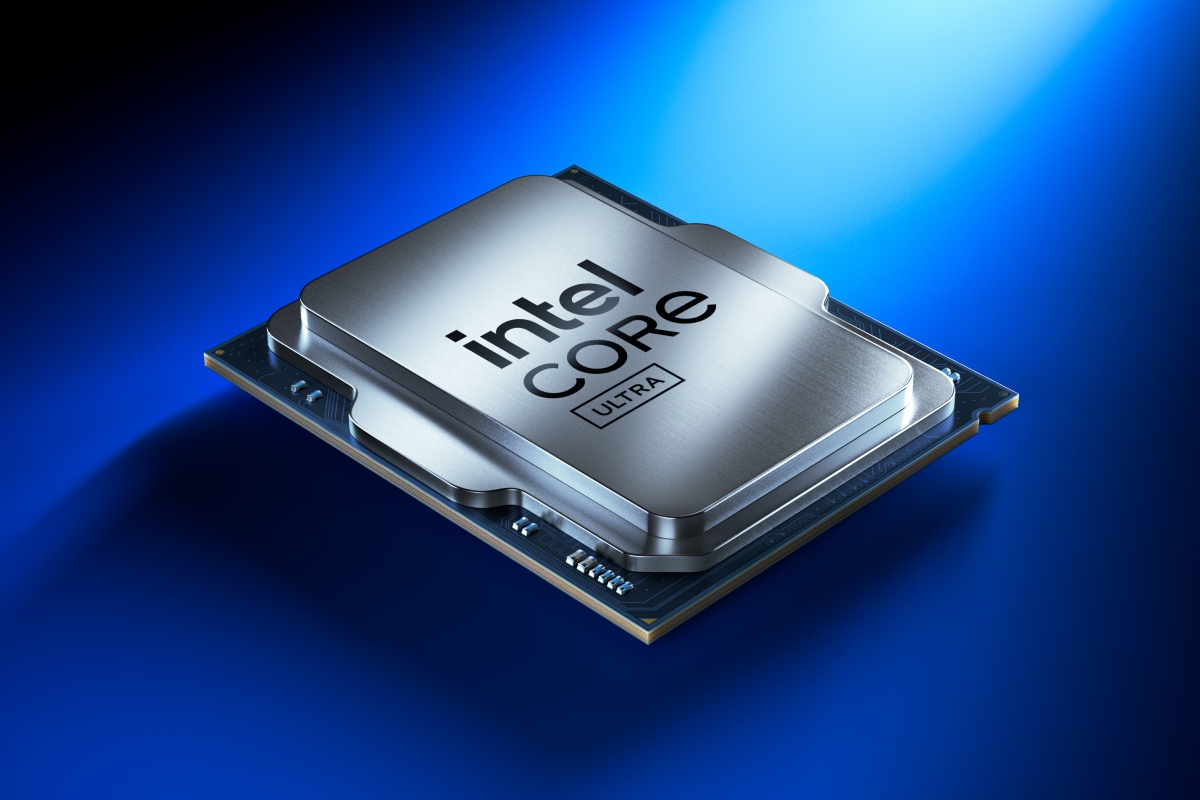
Windows 11 is now compatible with the advanced instructions of the Intel Nova Lake
With the launch of the next Intel Nova LakeIntel will bring back the instructions APXalso known as Advanced Performance Extensions. Some instructions from the X86-64 set that will help with heavier workloads, and that the software can take advantage of as long as it is supported. Although they are not yet available on any Intel processor, Windows 11 has already been adapted to offer support for APX.
Windows 11 adds support for Intel’s APX instructions
Microsoft’s popular operating system has come forward to offer this compatibility, which has initially been deployed in the version build 29695available to Insider users. After a trial period we hope that it will become part of the options available to all users, although without processors that can take advantage of this new function, “little can be tested.”
The instruction set APX arrives to offer a greater number of records, increasing from 16 to 32with further optimization for compiled code that is able to better take advantage of the hardware and its additional features. Intel says they can be reduced by up to 10% instructions that have been adapted for APX, consuming fewer clock cycles and freeing up resources that will be available for other system tasks, while improving the overall performance of the device.
Intel Nova Lake will also incorporate AVX10.2 instructions
The Intel Nova Lake will also have the new instructions AVX10.2a set of advanced instructions with vector operations that makes use of the hybrid cores with which these processors are built. Instructions that can be used to perform heavier tasks, along with the rumored configurations that Intel will offer with Nova Lake up to 52 cores.
With the next generation, Intel can offer top-of-the-range references that come close to the performance that many users need, without having to resort to professional solutions such as Intel Xeonwhich are much more expensive.
Juan Antonio Soto
I am a Computer Engineer and my specialty is automation and robotics. My passion for hardware began at the age of 14 when I broke down my first computer: a 386 DX 40 with 4MB of RAM and 210MB of hard drive. I continue to give free rein to my passion in the technical articles I write for Geeknetic. I dedicate most of my free time to video games, contemporary and retro, on the more than 20 consoles I have, in addition to the PC.
