
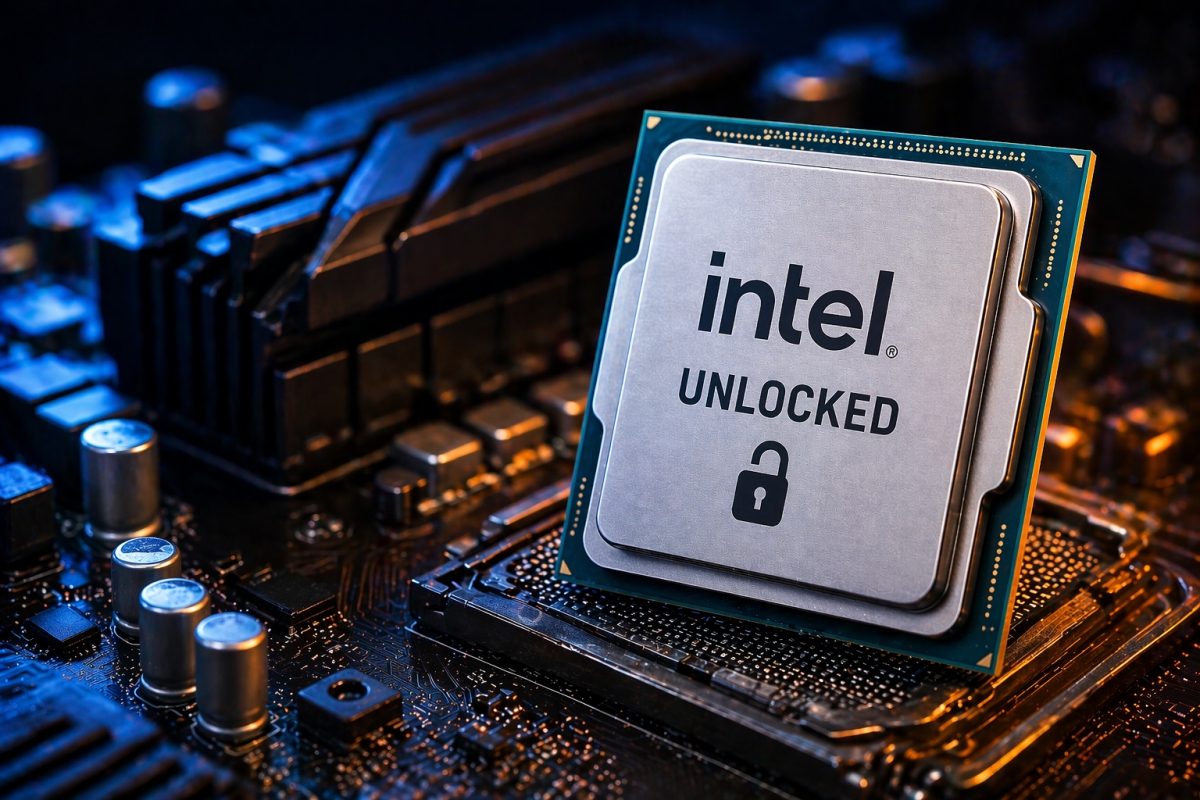
Intel plans to bring overclocking to cheaper processors with new unlocked CPUs
Intel could be preparing a major change in its strategy within the desktop processor market. According to recent statements from the company, the overclocking would no longer be an exclusive feature of the most expensive models, opening the door for Cheaper CPUs may also have an unlocked multiplier in future generations.
Intel wants to bring overclocking to cheaper processors
In an interview with PC Games Hardware, Intel has shown that it is working on more “unlocked” modelsthat is, processors with an unlocked multiplier that allow overclocking in a traditional way. Until now, this feature has been mainly reserved for well-known “K” versionslocated in the high range of the catalogue.
In the interview, Robert Hallockresponsible for the desktop enthusiast segment at Intel, has confirmed that the company’s goal is democratize access to these functions. In his words, not all users can afford high-end processors, but that does not make them any less enthusiastic, so they should have access to the same features.
More unlocked CPUs on Intel’s roadmap
Hallock has indicated that we will see more and more references unlocked over timealthough he has made it clear that it is a long-term objective within the roadmap. This means that an immediate implementation in current generations is not expected, but rather a progressive adoption in future architectures.
This movement also responds to a recurring market demandespecially when compared to other platforms where overclocking is more widespread. Intel thus seeks to improve its positioning against the competition and attract a greater number of users within the enthusiast segment.
Changes in desktop strategy and new technical challenges
In addition to this possible opening of overclocking, Intel would also be carrying out internal adjustments to your desktop partitionseparating the DIY business (users who build their own PC) from the OEM segment. This would allow a more specific approach in developing products for each type of user.
However, the implementation of this strategy will not be easy. He overclocking in Intel does not depend solely on the processorbut also from the chipset and the motherboard, so a larger opening will require full platform level changes. It also remains to be seen how this will affect the current segmentation of the catalog, where the differences between ranges are very marked.
Intel rethinks its strategy to attract more enthusiasts
Taken together, these statements reflect that Intel is reviewing its approach to the desktop marketwhere factors such as price, features and access to advanced functions are increasingly determining factors. Overclocking could become just one piece of a broader strategy that will also include software improvements, performance optimization and new technologies in future generations of CPUs.
