
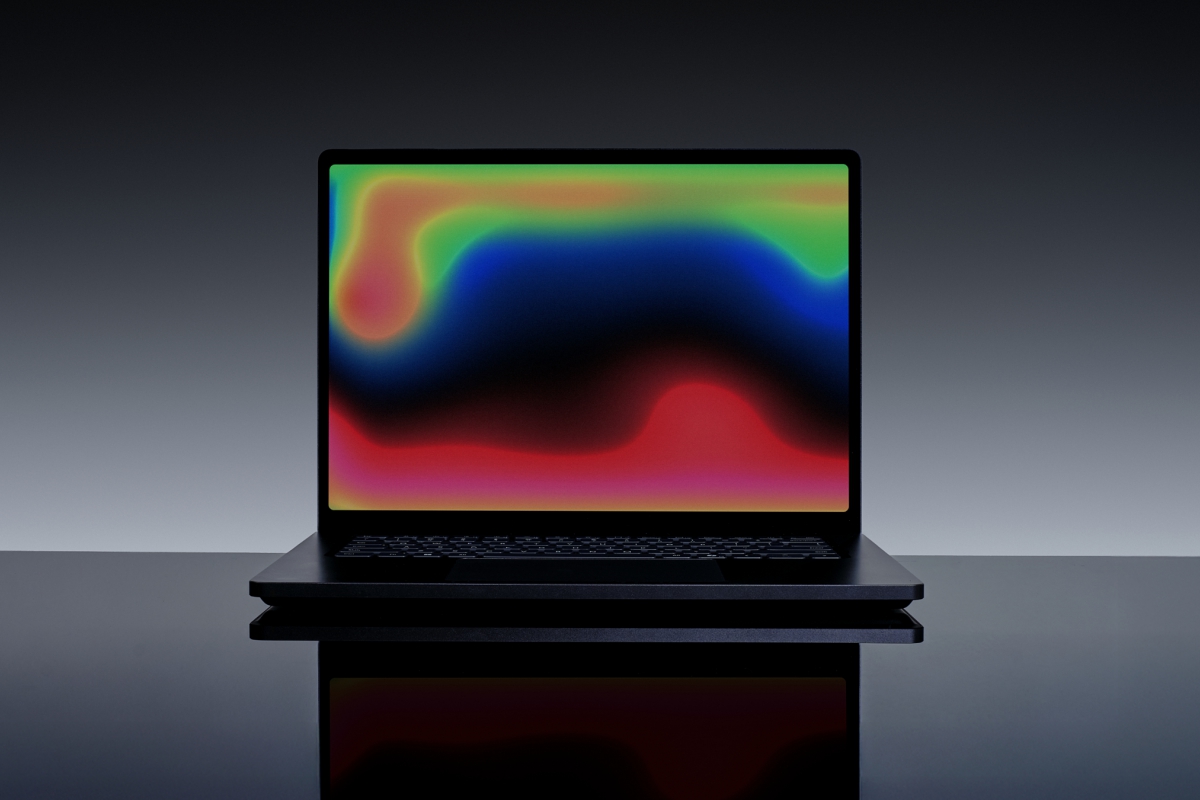
Microsoft unveils Surface Laptop Ultra with RTX Spark, up to 128GB of unified memory, and Blackwell GPU
Microsoft has presented the new Surface Laptop Ultraa laptop that serves as the spearhead for NVIDIA’s RTX Spark platform within the Windows ecosystem. After HP has announced that it has its own proposal prepared, it has been Microsoft’s turn which, as could not be otherwise, has taken advantage of the pull of Computex 2026. The company places it above the conventional Surface Laptop range and focuses it directly on creators, developers and users who work with local models, 3D rendering or mixed loads between CPU and GPU.
The technical base combines a NVIDIA Blackwell RTX GPU with up to 128GB of unified memory and full CUDA support. Microsoft assures that the equipment reaches up to 1 petaflop of performance for artificial intelligence and that it can locally execute models with up to 120,000 million parameters, relying on a shared architecture between CPU and GPU designed to distribute resources according to the workload.
| Specs | Surface Laptop Ultra |
|---|---|
| Platform | NVIDIA RTX Spark |
| GPU | NVIDIA Blackwell RTX |
| Unified memory | Up to 128 GB |
| AI Performance | Up to 1 petaflop |
| Local models | Up to 120B parameters |
| Screen | 15″ mini-LED PixelSense Ultra touch |
| HDR Brightness | Up to 2,000 nits |
| Ports | HDMI, USB-C, USB-A, SD, audio |
| Finishes | Platinum and Nightfall |
| Availability | End of 2026 |
RTX Spark brings the concept of PC with local AI to the Surface range
The most important thing about the announcement is that Microsoft turns Surface into one of the first showcases of RTX SparkNVIDIA’s new proposal for Windows PCs with Arm CPU, integrated Blackwell GPU and a very focused approach on local artificial intelligence. In practice, that means a laptop designed not just to use AI features, but to run complex models and flows directly on the device.
Microsoft insists that the unified memory allows RAM to be dynamically allocated between CPU and GPU as needed by each task. This approach, more than established in Apple Macs, is especially useful in scenarios such as content creation with AI, rendering, compilation, local inference or simultaneous execution of several models, where the distribution of memory and bandwidth can greatly affect real performance.
Taking this into account, it is clear that Microsoft is moving here towards a more professional and technical terrain, approaching advanced development and creation profiles that until now were not the usual focus of the family. In that sense, the Surface Laptop Ultra acts as a showcase of the future Windows PC who want to push Microsoft and NVIDIA around agents, local models and CUDA-accelerated software.
Mini-LED screen, more ports and a less limited design than other Surfaces
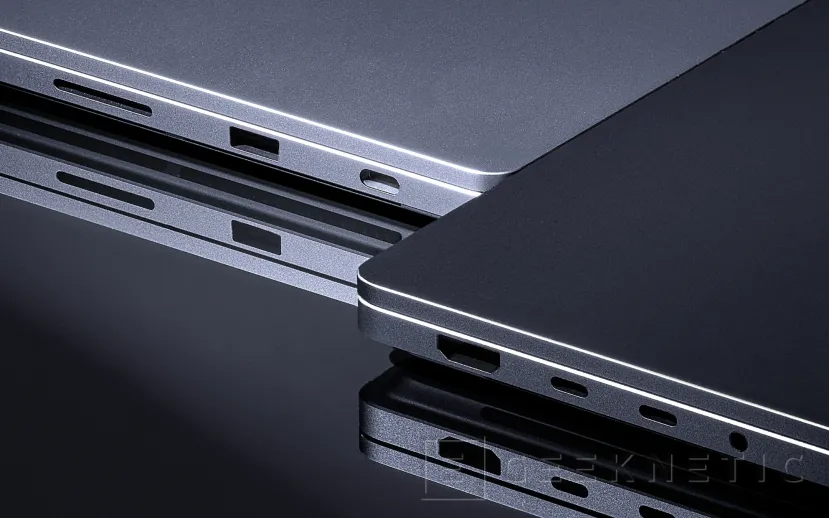
Beyond power, Microsoft wanted to reinforce the set with a more ambitious physical chip. The Surface Laptop Ultra mounts a 15 inch mini-LED touch screen with up to 2,000 nits of HDR brightness, 262 pixels per inch and a color calibration that the brand places among the most precise in its catalog. It is also the brightest panel mounted so far on a Surface laptop.
Another important detail is in connectivity. Microsoft talks about a team designed with the ports that creators actually usesomething unusual in ranges where design takes precedence over functionality. Here are HDMI, USB-C, USB-A, SD reader and audio connector, a wider selection than what the Surface usually offers and much more aligned with video, photography or development workflows.
The rest of the design maintains the brand’s usual line of industrial care, with two finishes, Platinum and Nightfall, a large haptic touchpad and an approach where performance, acoustics, durability and repairability try to coexist in the same product. Microsoft has not yet given a price, but it does make it clear that this will be its Most powerful Surface Laptop to date, with arrival scheduled for the end of 2026. We will remain vigilant.
