
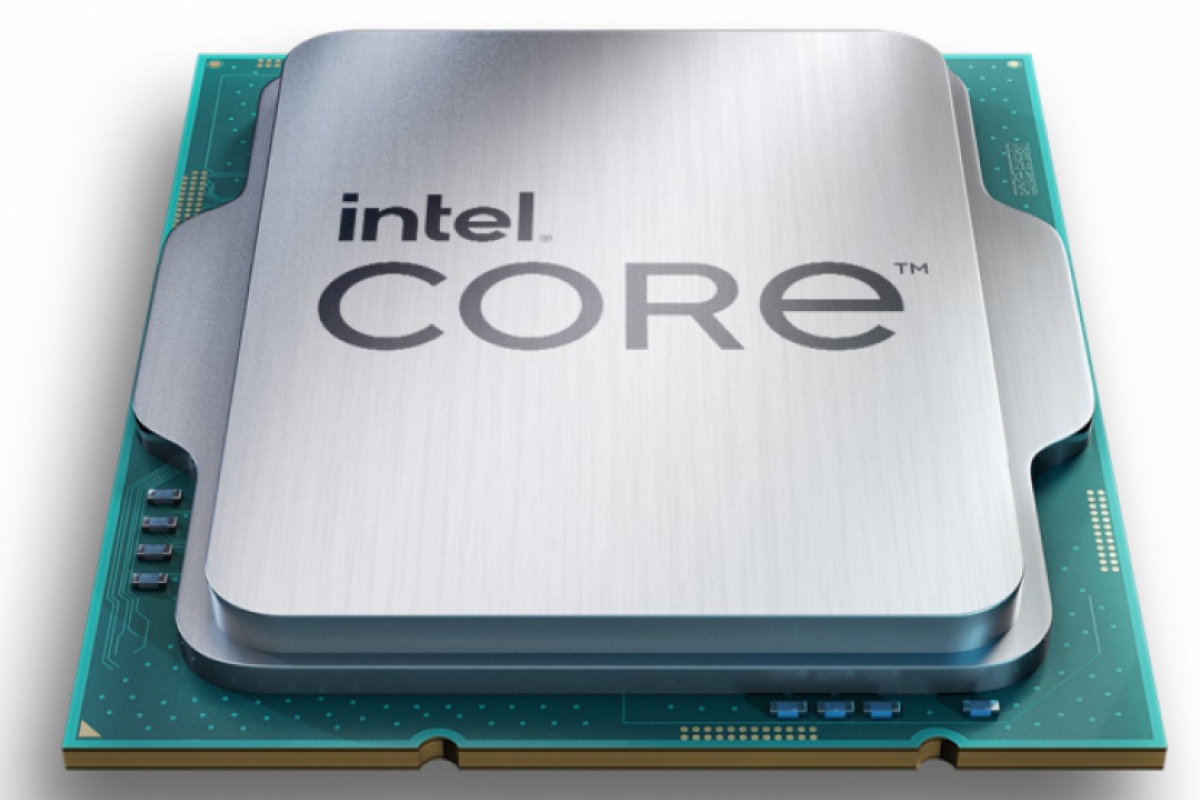
Intel will extend the life of the LGA 1700 with another renewal of Raptor Lake in 2027
It seems that Intel has taken his own words seriously in ensuring that the platform LGA1700 It’s not going to disappear. Although it has just renewed the Arrow Lake with the so-called Intel Core Ultra 200S Plus, the manufacturer has a renewal prepared that would arrive later. As revealed by the well-known leaker Jaykihn in response to a conversation on X/TwitterIntel would have another update prepared based on this architecture.
Intel could launch another Raptor Lake Refresh for the LGA 1700 socket in 2027
According to these statements, the company intends to continue extending the useful life of the platform LGA 1700which debuted with the twelfth generation of processors. This new renewal is expected to arrive in 2027so there would still be approximately a year left for its launch. To do this, Intel would continue to use its manufacturing process Intel 7reaffirming its commitment to a platform that has proven to be long-lasting and versatile.
It has also been reported that this update would not include top-of-the-range references of the series Core i9. This suggests that Intel could focus on processors mid rangepossibly intended for OEMs or the enterprise sector, where stability and compatibility are key factors.
A long-standing platform that has spanned several generations
Although Intel already has the socket LGA 1851 and plans to evolve it with the arrival of Nova Lakehe LGA 1700 It has supported multiple generations of processors. These include Alder Lake (12th generation), Raptor Lake (13th generation) and Raptor Lake Refresh (14th generation). Furthermore, versions derived from Meteor Lake-S have been systems oriented Edge and embedded using this LGA 1700 socket.
With this new revision, Intel intends to continue taking advantage of a consolidated platform in the market, extending its life cycle for a few more years by launching another Raptor Lake Refresh.
Juan Antonio Soto
I am a Computer Engineer and my specialty is automation and robotics. My passion for hardware began at the age of 14 when I broke down my first computer: a 386 DX 40 with 4MB of RAM and 210MB of hard drive. I continue to give free rein to my passion in the technical articles I write for Geeknetic. I dedicate most of my free time to video games, contemporary and retro, on the more than 20 consoles I have, in addition to the PC.
