
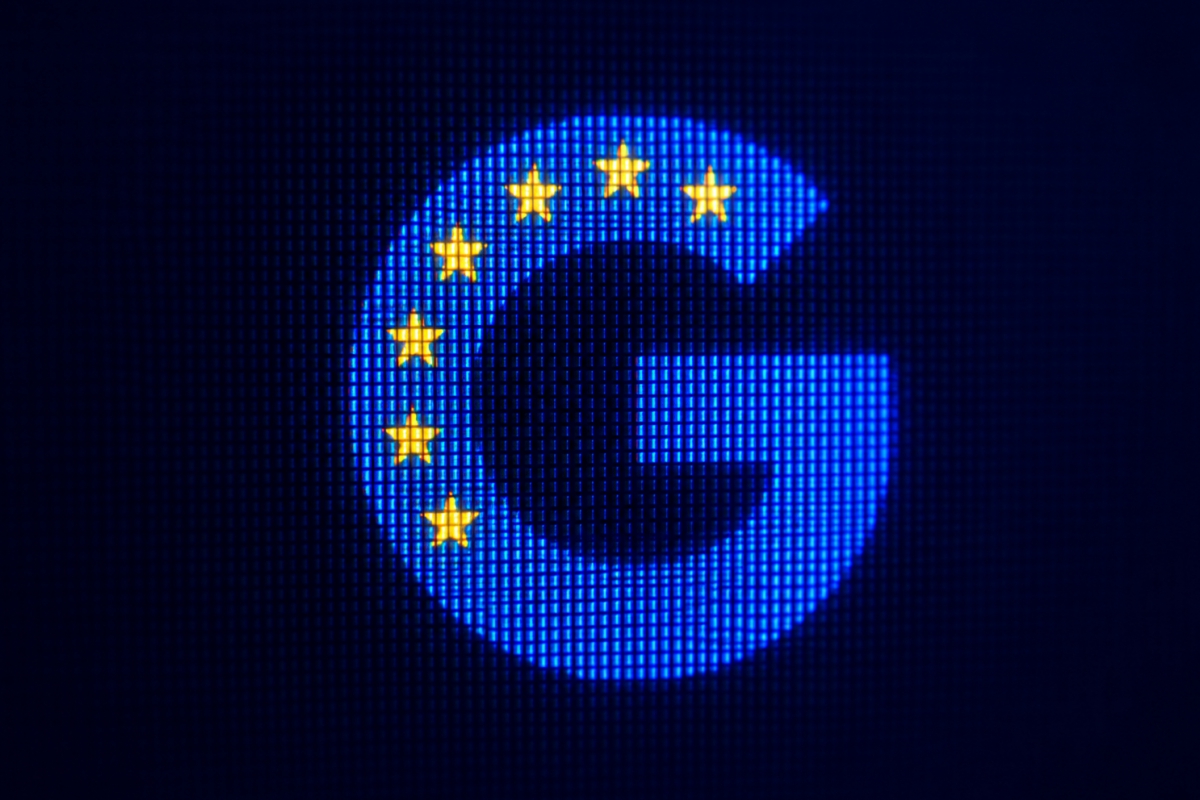
Commission forces Google to open Android to other AI assistants and share search data from 2027
The European Commission has adopted two binding decisions directed at Google under the Digital Markets Act, the DMA. The first seeks to ensure that third-party artificial intelligence assistants can access functions on Android that are now largely reserved for Google services. The second establishes how the company should share Google search data with other search engines to facilitate more balanced competition.
On Android, rival Gemini assistants currently have limited access to certain features of the operating system. The Commission considers that this difference prevents competition on equal terms and reduces the attractiveness of alternatives for users. According to data cited by Brussels, around 60% of users in the European Union use an Android device.
The new measures should allow the user to activate their favorite assistant through voice commands equivalent to the typical “OK Google.” Actions may also be authorized within applications, such as booking a taxi, receiving response suggestions in chats or consulting information about a recently visited place. The Commission states that The opening must incorporate privacy, security and integrity safeguards of the device.
The second decision focuses on the search data that Google obtains at a scale that is difficult for its competitors to replicate. Brussels maintains that this information is important to develop and improve alternative engines, including those that prioritize privacy. The measure also clarifies that AI chatbots with search functions will also be able to request access to that data.
Google must start sharing data in January 2027
The Commission specifies that Google must provide, once anonymized, the same type of information that it uses to optimize its own search services. To do this, a layered anonymization method developed with internal and external experts will be applied, following the joint work of the Commission and the European Data Protection Board on the relationship between the WFD and the GDPR. Before each transfer of data, Google may evaluate possible serious cybersecurity or data protection risks.
The measures also establish a formula considered fair to calculate the price of access to that information and a transparent process to request it. The Commission You may modify some elements in the futureespecially those relating to anonymization, based on market developments and independent evaluations. The stated goal is for European users to have more options in search and artificial intelligence assistants.
Henna Virkkunen, Executive Vice President for Technological Sovereignty, Security and Democracy, noted that “with today’s measures we want to support innovation and diversity in the European Union, allowing fair competition in the markets for AI assistants for Android devices and search engines.” He also expects “alternatives to Google Search and Google AI services, such as Gemini,” to emerge.
Teresa Ribera, executive vice president for a Clean, Fair and Competitive Transition, has defended that “we need to keep this process fair and guarantee that our citizens have the ability to choose.” According to Ribera, The decision will help smaller competitors offer alternatives while protecting user privacy. The Commission thus presents the measures as an intervention to expand the choice, not as a sanction.
Google must begin sharing search data with eligible providers in January 2027. The interoperability changes in Android will have to benefit users starting in July of that same year. The decisions are legally binding, although they remain subject to independent judicial review. This procedure does not determine a non-compliance nor does it contemplate fines, since its purpose is to specify how Google must apply the obligations of the DMA.
