
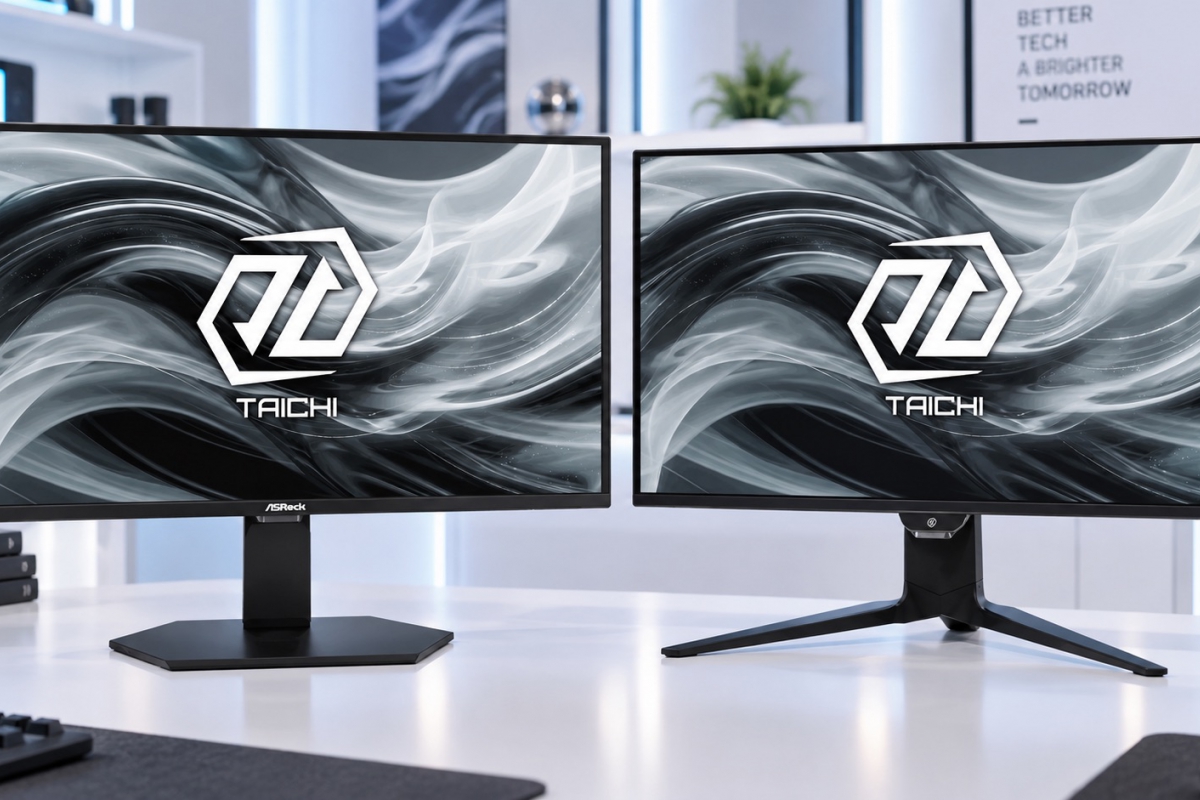
ASRock launches its Taichi OLED monitors with models up to 720 Hz
ASRock has detailed its new family of Taichi gaming monitorsmade up of three 27-inch OLED models that combine different resolutions and refresh rates. The company already showed these devices during Computex 2026, where we were able to learn about their main characteristics. The current announcement specifies the range with the TCO27USA, TCO27QXA and TCO27QXBin addition to providing more information about their connections and certifications.
All three share a 0.03 ms GtG response time, 99% coverage of the DCI-P3 color space, AMD FreeSync support, and an adjustable stand. The differences are in the type of panel, the resolution and the maximum frequency. The TCO27USA prioritizes definition with 4K at 240 Hz; the TCO27QXA goes up to 500 Hz in QHD; and the TCO27QXB reaches 540 Hz in QHD or 720 Hz when activating its HD mode.
The TCO27USA combines 4K resolution and a frequency of 240 Hz
The ASRock Taichi TCO27USA uses a 27-inch QD-OLED panel with 4K UHD resolution and one 240Hz maximum refresh rate. It is the member of the range aimed at those who want to maintain a high pixel density without giving up a rate high enough for fast games. Their 3,840 x 2,160 pixels They also make it suitable for working with images, video or applications that benefit from a large desktop area.
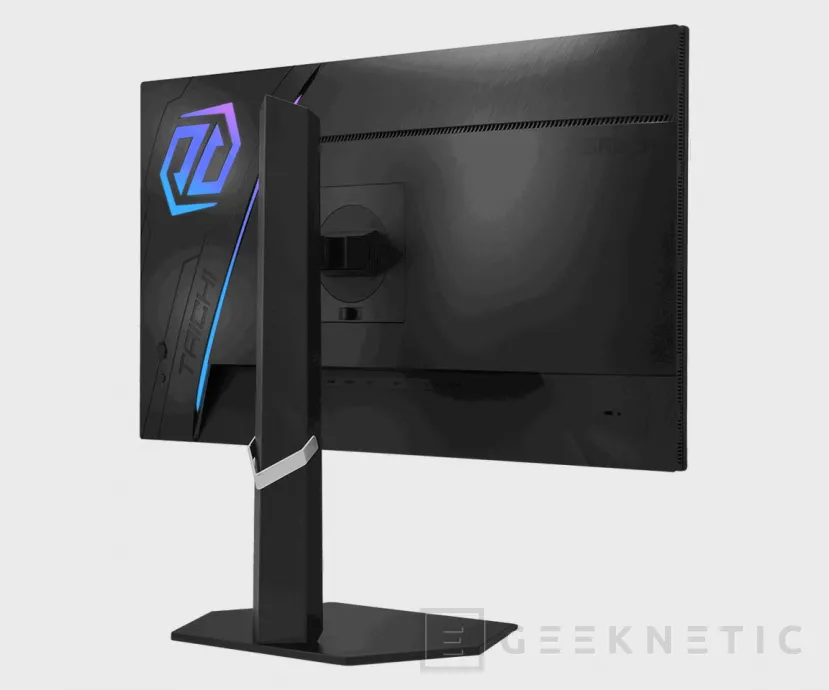
ASRock declares 99% coverage of DCI-P3 and a 0.03ms GtG response time. The monitor has VESA DisplayHDR True Black 400 certification, specific for screens capable of maintaining very deep blacks. It also incorporates AMD FreeSync to synchronize the panel frequency with the graphics card output and reduce image tearing when the frame rate varies.
The TCO27QXA raises the frequency up to 500 Hz in QHD
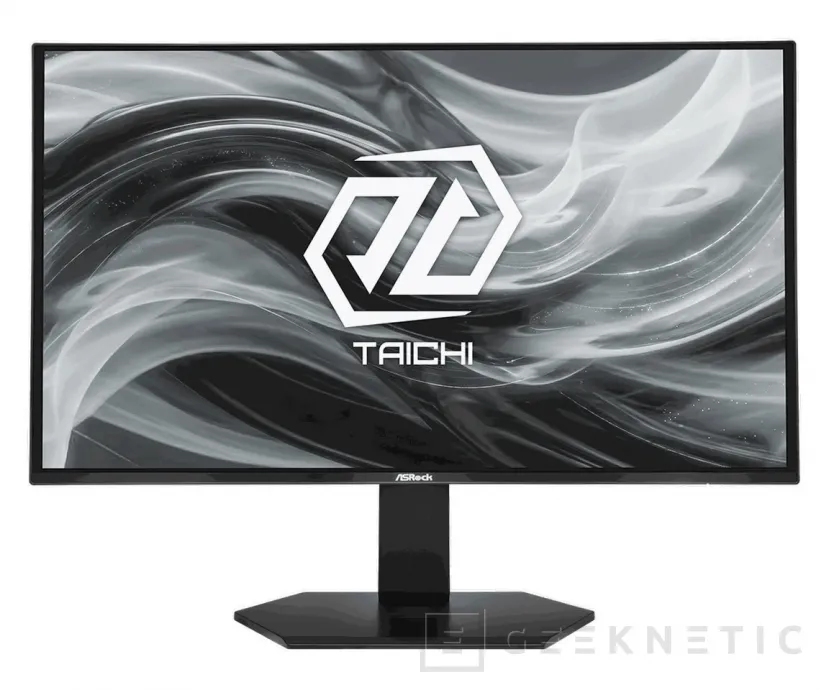 The TCO27QXA maintains the 27 inches and QD-OLED technologybut reduces the resolution to 2,560 x 1,440 pixels to run at a 500Hz maximum. That combination seeks a different balance: QHD retains significantly higher definition than Full HD and requires less graphical power than 4K, making it easier to achieve very high frame rates.
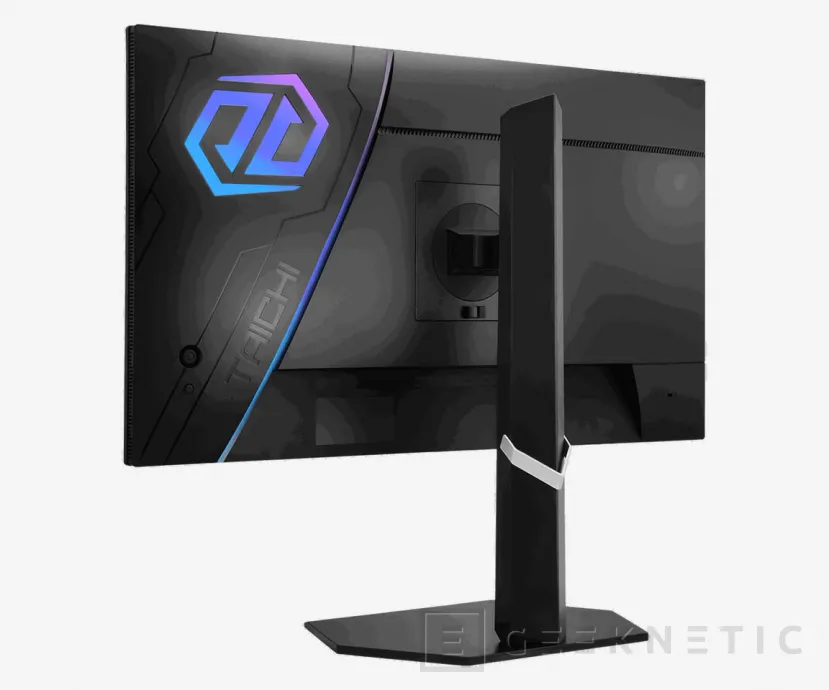
Its response time is again 0.03ms GtG and the advertised coverage reaches 99% of DCI-P3. In this case, the certification goes up to VESA DisplayHDR True Black 500. It also includes AMD FreeSync and the blue light reduction features present in all three models.
The TCO27QXB reaches 720 Hz using a reduced resolution mode
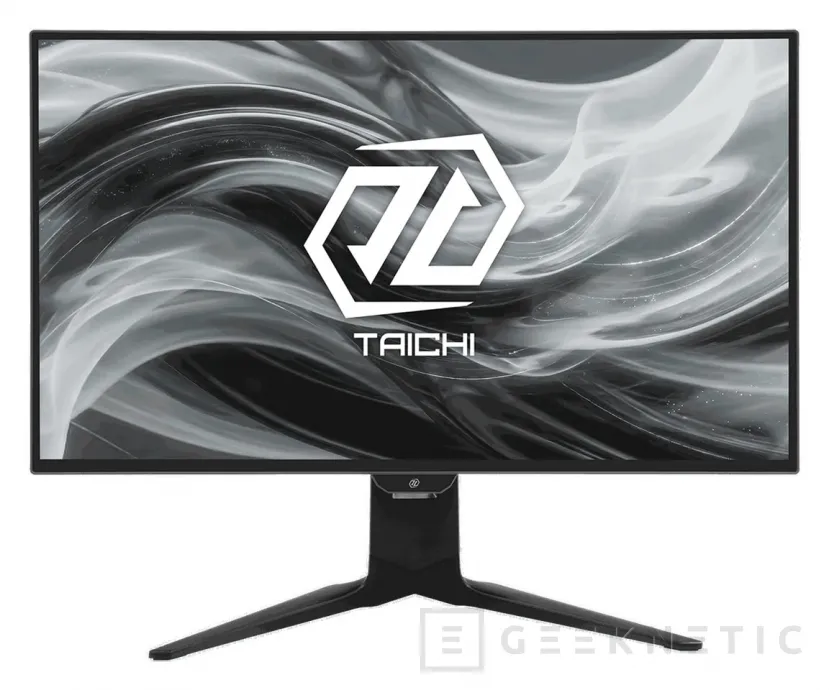
The fastest option is the TCO27QXB, equipped with a 27 inch Tandem WOLED panel. Its main mode offers QHD resolution at a maximum of 540 Hz. User can switch to HD mode to raise the frequency up to 720 Hza figure that ASRock reserves for situations where fluidity and reduced visual latency take priority over definition.
Dual mode allows different settings to be used depending on the game. QHD at 540 Hz preserves more detail for the desktop and for titles where it is important to distinguish small objects. The 720 Hz setting reduces the number of pixels the GPU must process and allows you to search for the maximum frequency in e-sports games. The consequence is a less defined image, especially visible on a 27-inch diagonal.
This model maintains the time of 0.03ms GtG response99% DCI-P3 coverage, AMD FreeSync and DisplayHDR True Black 500 certification. ASRock also integrates it into Taichi’s 10th anniversary range, which extends a brand known for its motherboards to other families of components and peripherals.
DisplayPort 2.1, HDMI 2.1, USB-C and KVM switch
ASRock has configured all three monitors with two HDMI 2.1 and two DisplayPort 2.1 inputs with UHBR20. This last specification achieves a gross bandwidth of 80 Gbit/s through its four lanes and is especially relevant for the high resolution and frequency combinations that the range proposes.
They also incorporate a USB 3.2 Gen 1 Type-C port with DisplayPort mode alternative and up to 65W Power Delivery. A compatible laptop can send video, access peripherals connected to the monitor, and receive power via a single cable, although 65W may be insufficient to sustain the maximum performance of certain gaming laptops.
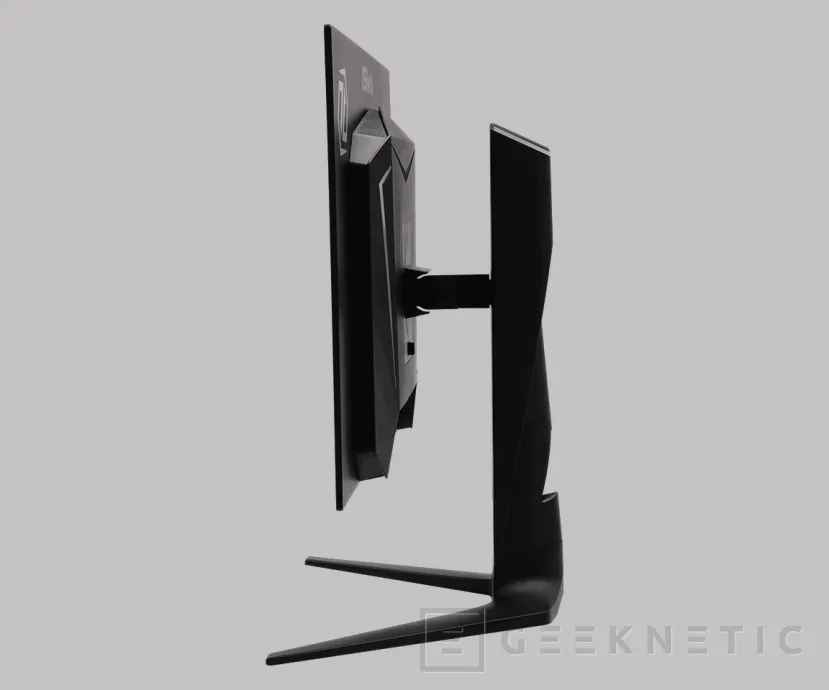
He kvm switch allows you to share keyboard and mouse between two computers. The stand supports height adjustment, tilt, side swivel and vertical rotation, while the Taichi Lighting system adds lighting to the design. These are features common to all three models, so the choice is determined mainly by the relationship between resolution and frequency.
ASRock has not yet communicated the price or the specific date of sale in Spain. The published information also does not confirm which variants will initially reach our market. The announcement does define a range that covers from 4K at 240 Hz to HD mode at 720 Hz, but we will have to wait for European distribution to know its cost and availability.
