
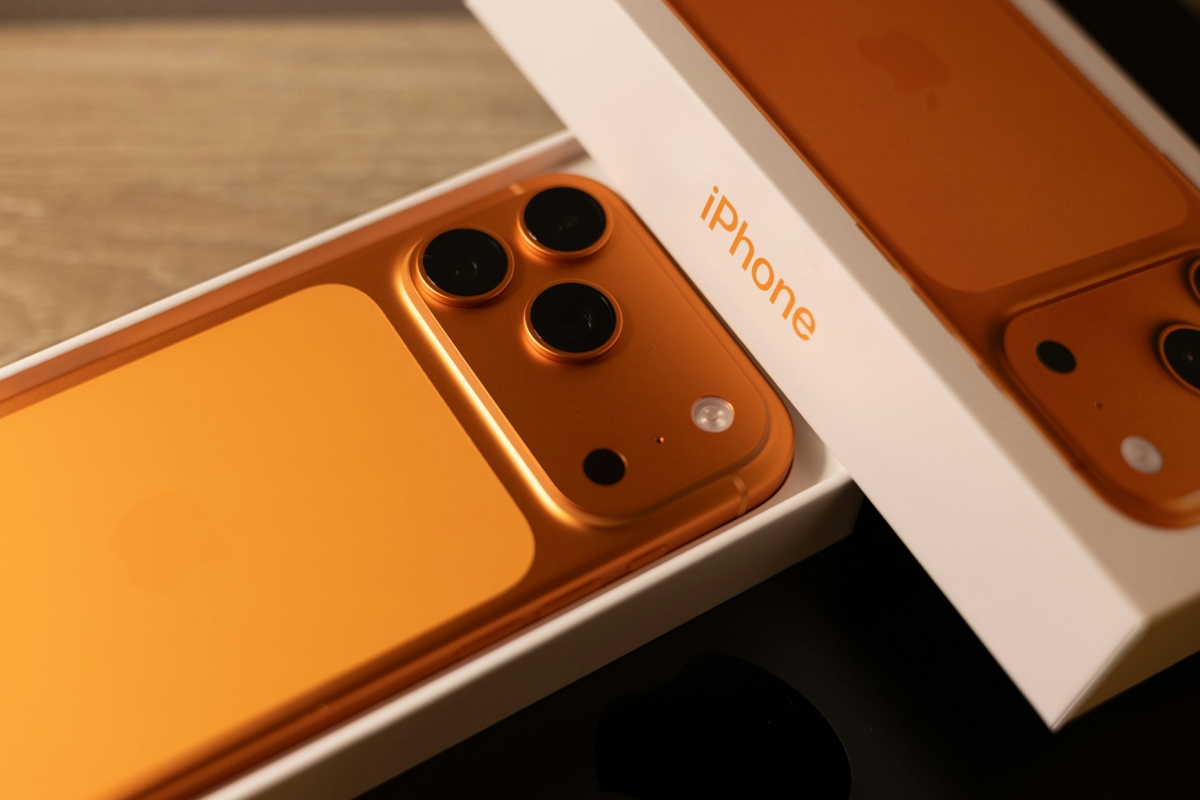
Apple faces a sharp increase in the price of memory for the iPhone 18 and loses margin in one of its most profitable improvements
Apple could be on the verge of a major change in the internal economics of its next iPhone. A new publication collected by Wccftech maintains that the combined cost of DRAM memory and flash storage For the future iPhone 18 range, especially in the Pro models, it will rise sharply compared to the levels that the company managed just two or three years ago. If these figures are close to reality, the brand would lose a relevant part of the margin it traditionally obtained with jumps in memory and capacity.
According to that estimate, between 2023 and 2024 Apple would have paid around 39 dollars by the combination of 8 GB of LPDDR5X and 256 GB of flash storage. In parallel, the company continued to charge about $99 to upgrade to the next storage step for many of its products. Now, the situation would have changed completely. For a hypothetical iPhone 18 Pro with 12 GB of RAM and 256 GB of storage, the total cost of those two components could be close to 196 dollars.
The key is in the sharp rise in memory prices, a problem that no longer only affects small manufacturers or Android brands. In recent weeks we have seen Apple admit that rising memory prices were becoming a real problem for its business. In fact, we already said that the RAM crisis could last until 2030, a scenario that is putting pressure on the entire technology industry.
More pressure on the iPhone 18 in the midst of a global memory crisis
The most striking figure of this new information is that corresponding to DRAM. The text ensures that Apple could pay around $145 for 12 GB of memory on the iPhone 18 Pro, an amount that shoots the cost above what is usual in previous generations. To that would be added about $51 for the 256 GB flash storage module. There is no official confirmation from Apple or details about specific suppliers, so it is advisable to treat these amounts as a leaked reference, not as closed data.
Even so, the general context does fit with what we have been seeing for months. Memory has become a much more contested resource due to the rise of artificial intelligence, data centers and high-performance systems. That phenomenon has already begun to change design decisions across the industry. For example, we already explained how the RAM crisis is pushing manufacturers to cut or rethink specifications to contain costs.
In the case of Apple, the problem also has a strategic derivative. The company had been benefiting for years from a position of strength within the supply chain, with relatively cheap components and capacity improvements that were very commercially profitable. If memory stops being a low-cost piece and becomes a much more important part of the bill, Apple will have less margin to keep that pricing policy intact or, at least, less ease to sustain it without touching the rest of the product structure.
Apple looks for alternatives, but does not have a simple solution
The publication also links this pressure with the search for new suppliers, especially in China. In that sense, the movement is not too surprising, because information about Apple’s interest in diversify your access to DRAM at a time when large manufacturers prioritize more profitable segments. However, even that path raises doubts, both due to real capacity and geopolitical and industrial priorities within the Chinese market itself.
For now, what does seem clear is that Apple enters the iPhone 18 generation with a very different environment than a few years ago. Memory is no longer a cheap component that can be monetized very easily, but rather a source of direct pressure on costs, margins and possibly final prices. It remains to be seen to what extent these tensions will be transferred to the user, but the increase in RAM and storage costs It has already become one of the central factors to understand the next generation of the brand’s devices.
