
GeForce Now expands catalog with two releases, an unexpected classic and a key improvement for Starfield
NVIDIA has once again made a move on GeForce Now with a new batch of additions that reinforce the service’s catalog in a particularly varied week. The update mixes two recent releases, a veteran that continues to have traction, an edition with a very nostalgic flavor and a significant improvement for one of the biggest games on the platform. The result is a selection that does not target a single player profile, but rather several at the same time..
The main novelty is that this week four new games enter the service and, in addition, another notable title is now prepared for GeForce RTX 5080 within the NVIDIA streaming ecosystem. That is to say, not only is the library growing: the technical part of one of the most powerful names in the current catalog is also reinforced.
Two recent releases set the pace of the week
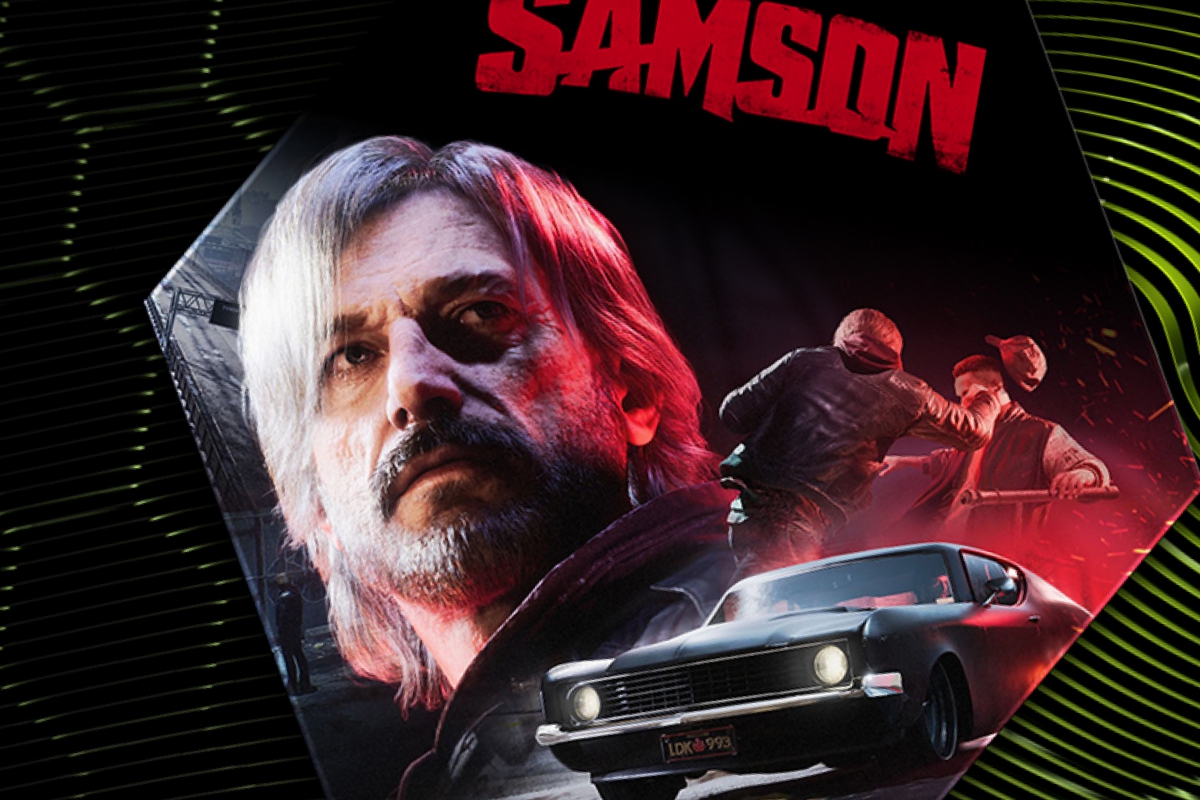
The two releases that lead the update are Samson: A Tyndalston Story and Morbid Metalboth incorporated as new arrivals within the service. In the case of Samsonit is a premiere now available in version 1.0 on Steam, while Morbid Metal It also enters early access through Steam. NVIDIA also highlights them for sharing the same technical condition within GeForce Now: both are already compatible with the GeForce RTX 5080-ready profile.
That detail is not minor. Within the current discourse of GeForce Now, the idea that the service not only serves to play in the cloud, but to do so with higher graphic profiles and with access to configurations that, locally, would require very serious hardware, is becoming increasingly important. That two recent releases already come with that label reinforces precisely that narrative.: The value of the service is no longer just in accessing the game, but in doing so with a premium layer of performance from day one.
Starfield receives just the improvement it needed to remain on the front line
The other big news of this update is not an arrival, but an improvement. Starfield is now also prepared for GeForce RTX 5080 in GeForce Nowand it does so just when it coincides with the arrival of its additional content Terran Armada DLC and the Free Lanes update. That synchronicity does not seem coincidental. NVIDIA is taking advantage of a moment of renewed interest in gaming to give it a technical boost within its service.
This is quite logical. Starfield is one of those titles that continues to serve as a showcase for any cloud gaming platform because it combines visual weight, a recognizable name and a user profile that appreciates having access to higher hardware without having to invest in a full-range local machine.
Furthermore, the game reaches this new technical boost in a week in which it also its launch on PS5 coincidessomething that further expands the conversation around the title.
DayZ and Rayman add variety to a very uneven week
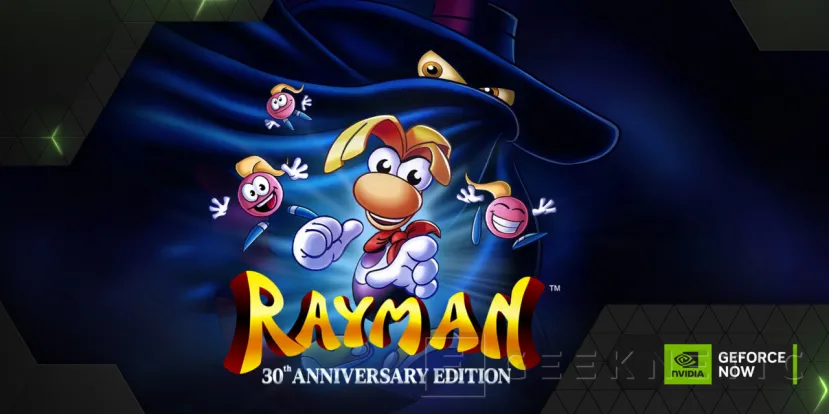
Along with those newer or more technically heavy names, the update also includes DayZ and Rayman: 30th Anniversary Edition. In the case of DayZ, it comes as a new release on Xbox and is also available through Game Pass from April 9.
For its part, Rayman: 30th Anniversary Edition introduces a completely different note. It does not arrive as a great technical showcase or as a new game in use, but as a definitive edition of the first Rayman, with more than 120 additional levels and a documentary focused on the historical importance of the game within the medium. It is available through Steam and Ubisoft.
GeForce Now insists on an idea: more width and more technical muscle
The complete list for the week is made up of Samson: A Tyndalston Story, Morbid Metal, DayZ, Rayman: 30th Anniversary Edition and starfield as a title that debuts the RTX 5080-ready profile. Viewed as a whole, the selection sums up quite well where NVIDIA is pushing its service: more breadth of genres and, at the same time, more insistence on premium graphics profiles as a differential part of the product.
That combination makes sense in today’s cloud gaming moment. It is no longer enough to accumulate names. You also need to justify why you play there and not somewhere else.. NVIDIA tries to answer that question by mixing a recognizable catalog with specific technical improvements that give the feeling that GeForce Now is not just a remote library, but a way to access a more ambitious visual experience.
In a week especially loaded with releases and updates, the movement may seem small in the face of larger announcements, but it is not so small. For the regular user of the service, these additions are precisely the type of constant drip that keeps interest alive: new games, more variety and some strategic improvement in important titles. And for NVIDIA, it’s still a pretty effective way to reinforce the idea that GeForce Now wants to fight not just for quantity, but for perceived quality in each new weekly batch.
