
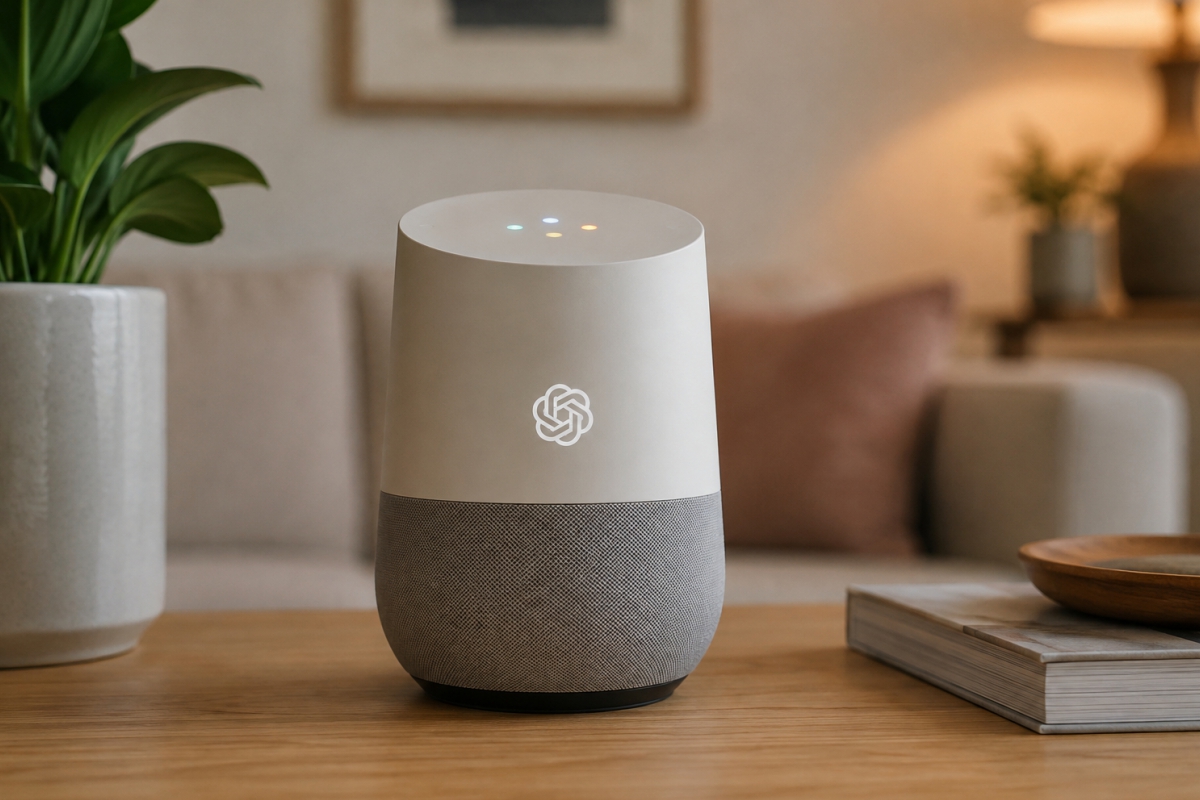
OpenAI’s circular speaker will cost between $300 and $400 and will feature moving mechanical parts
OpenAI’s hardware strategy is beginning to take a more defined shape. After its first forays into desktop accessories such as the Codex Micro programmable keyboard, new details have emerged about what will be its first independent home computer. According to information published by Bloomberg and collected by TechCrunchthe company works in a smart speaker with a circular format intended to act as the physical representation of ChatGPT in the home.
The device is being developed in collaboration with LoveFrom, the design studio founded by former Apple design director Jony Ive, with a launch planned for 2027. The cited sources indicate that the equipment will be in a high-end range with an estimated price of between 300 and 400 dollars. This figure places the proposal significantly above the usual alternatives in the sector, such as Amazon’s Echo line, whose models usually range between $40 and $240.
Metallic circular design, high price and moving components
Regarding its external appearance, the product will have a geometric design similar to that of a circle and will be made of high quality metal. This shape, which will be perforated in the center, seeks to make it easier for users to transport it comfortably between different rooms in the home, such as the bedside table, kitchen or desk. The case will offer a premium style metallic finish intended to distance it from traditional plastic speakers.
One of the most unique aspects of the project lies in the inclusion of active mechanical elements within the structure itself. Apparently, the chassis will integrate mechanical parts capable of performing physical movements to react expressively to voice interactions, complementing the integrated camera and the set of sensors responsible for analyzing the environment.
OpenAI’s main goal with this deployment is to integrate its language models more consistently into users’ daily routines. However, the home automation sector has historically stood out for being a segment with narrow commercial margins and little direct profitability. The high price expected for this device will undoubtedly act as a barrier in convincing consumers to purchase a dedicated physical assistant instead of resorting to one they already have, namely their smartphone.
Litigation with Apple and market challenges for artificial intelligence hardware
The launch of this product also occurs in a context of growing judicial pressure against the startup. Apple has initiated legal action against OpenAI after accusing it of misappropriation of industrial secrets, alleging that the hiring of former engineers and managers of the Cupertino firm sought to transfer technical specifications of unannounced hardware. These legal tensions due to talent drain add complexity to a highly supervised development process.
Despite the judicial conflicts and the remoteness of its marketing, the firm continues to strengthen its physical products division. The speaker’s debut in 2027 will determine the viability of the company in hardwareserving as a litmus test to evaluate whether an ecosystem guided exclusively by conversational AI can compete in the consumer electronics market.
