
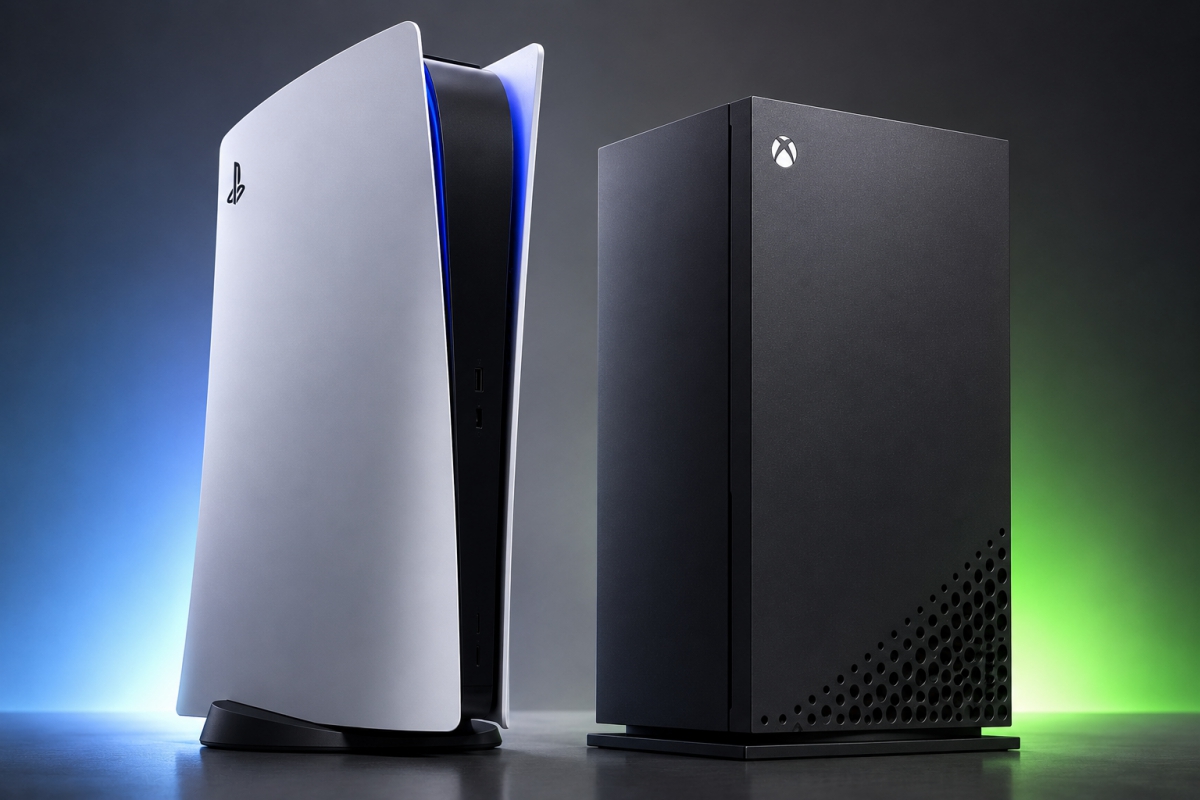
The design of the PlayStation 6 and Xbox Helix processors is already finalized, with 40 and 56 TFLOPS respectively
The current memory crisis It is causing manufacturers to encounter difficulties in manufacturing, and consequently, launching their new products. Consoles are one of these affected products, whose launch has been rumored for 2028. The good news is that the well-known leaker KeplerL2 has left a post announcing that the processors for the PlayStation 6 and the Xbox Helix They have already completed their development.
PlayStation 6 and Xbox Helix would already have their finished processors
The processors of both next generation consoles They have already completed their development, and KeplerL2 has also left us raw performance information. As has already happened in previous generations, the Xbox will have greater power in its GPU compared to the new PlayStation, specifically the Microsoft console says that it will have 56TFLOPSwhile Sony’s will remain in 40TFLOPS.
Despite this difference, the figures only tell us that the Xbox Helix will have 40% more raw power versus Sony’s console, but these numbers don’t have to directly apply to gaming performance. The final performance will be conditioned by the use of the hardware by the developers, such as applying image scaling to improve FPS directly on the NPU.
Xbox Helix would have more graphical power than PlayStation 6
KeplerL2 already told more about the next processor PlayStation 6as a memory capacity of 30GB GDDR7with a 160-bit memory bus and a bandwidth of 640 GB/s. These data, however, are unknown for the Xbox Project Helix, although in both cases architecture will be used AMD Zen 6 and RDNA 5 graphics in a processor customized by each manufacturer.
Both companies are following a simultaneous step with the development of this next generation, and with this finalized design the specifications will rarely be altered. The bad news is that, although this design of one of the main elements is already completed, the date for its launch is still as far away as the 2028.
