
Windows 11 receives post-chartography support
The Quantum computing opens a worrying panorama for data security, bringing new risks in the form of calculation capabilities that multiply by the current silicon -based computers and the binary system, and that traditional encryption systems could skip without too much problem.
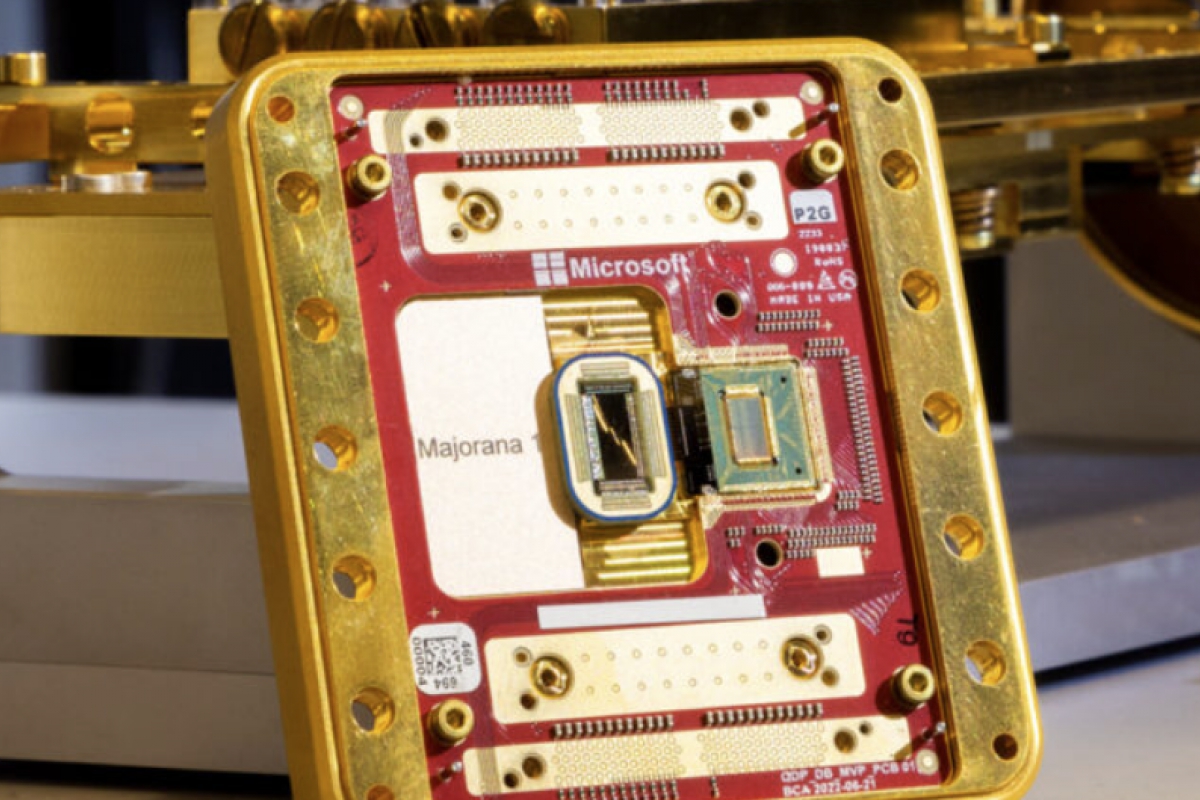
We have already reviewed some current and developing solutions to protect data from the risks of quantum computing for security, and now it is Microsoft that has taken an important step by integrating new “post-chartography” systems to prepare for the arrival of these systems. Own Microsoft revealed Majorana 1its first quantum processor based on topological qubits.
In the last Preview (Build 27852) of the Windows Insider program, Windows 11 includes native support for post quantum cryptography or PQC, giving margin to developers and users to implement different types of solutions to protect the data.
Today, Windows remains one of the most used operating systems in the world, so it is important that Microsoft introduces this support for maintaining the safety of its users’ data. They are included directly in the Windows cryptography API Support for ML-Kem keys and digital signatures ML-DSA.
With ML-Kemthe idea is to also protect against the attacks of “Collect today, decipher later,” that cybercriminals use today to get encrypted data that, in the future, can decipher with quantum systems when available. ML-DSA will offer a system of digital signatures resistant to quantum deciphering.
It is expected that this support is subsequently arriving at final versions, at the same time that safety and encryption solutions adapt to this technology that, we like it or not, will end up reaching the market. Meanwhile, developers can test these new technologies in order to implement them in their safety and encryption solutions.
