
The Honor Robot Phone is delayed until the third quarter of 2026 due to important changes to its camera system
The Honor Robot Phone will not arrive in the coming months. According to leaker SmartPikachu on Weibo, the device is scheduled to launch in the third quarter of 2026, that is, between July and September. The information coincides with recent statements from a company executive, who confirmed that the phone would not be ready this month due to improvements in the imaging system that require more development time.
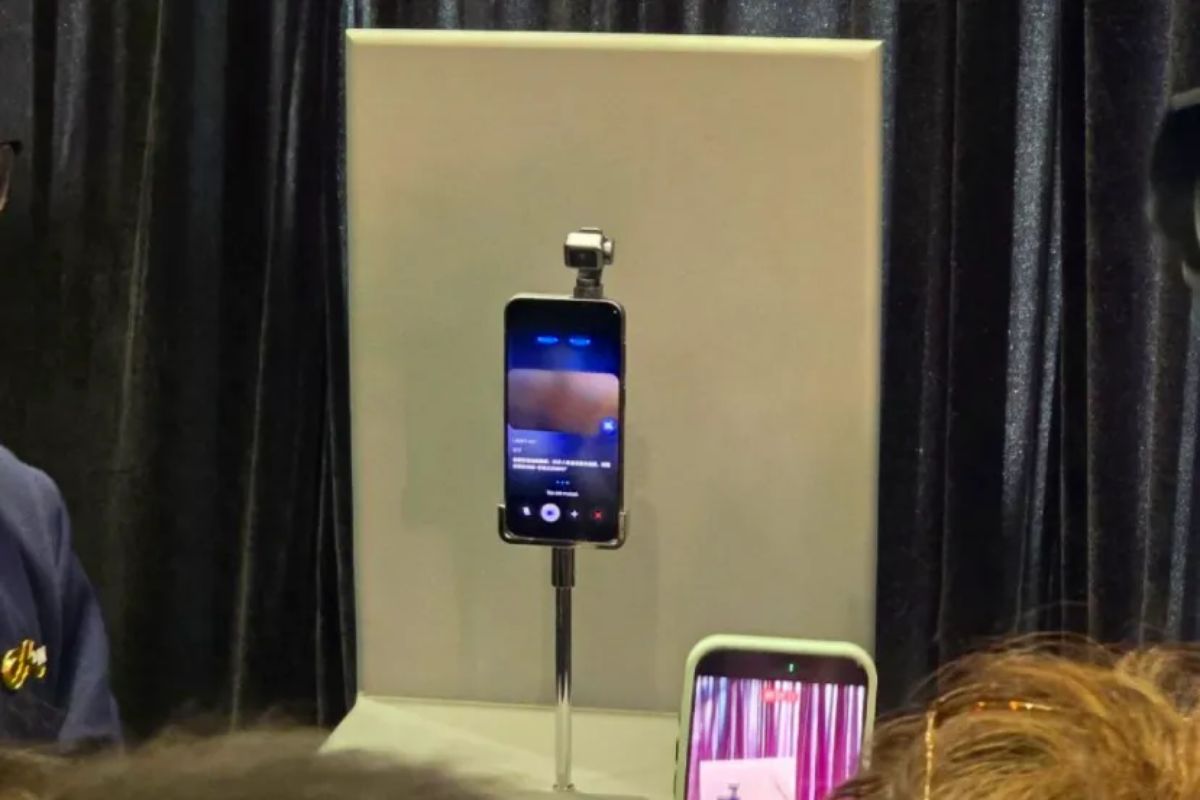
The delay is not a surprise considering the ambition of the project. When Honor introduced the Robot Phone at MWC 2026 in Barcelona, where we were able to see it in person, it was clear that this was not a conventional phone. The device integrates a motorized camera that emerges from the top of the phone mounted on a gimbal, with 360-degree rotation capacity and a 200 megapixel sensor. The set is powered by the smallest micromotor developed by Honor to date, 70% more compact than its predecessors and smaller than a euro coin. What the new leaks add is the detail of who and how Honor is refining that imaging system before launch.
ARRI enters the scene and hardware PTZ arrives
The most significant piece of information about the leak is the collaboration with ARRIthe Austrian optical and imaging equipment company whose cameras are the gold standard in the professional film and television industry. The alliance, according to the leaker, focuses on video science algorithms and color processing, two areas where mobile phones have historically had more room for improvement than in the raw resolution of the sensor.
The other technical novelty that is mentioned is a system Hardware anti-shake PTZ. PTZ is the acronym for Pan-Tilt-Zoom, a mechanism that allows controlling the movement of a camera in the three axes in a motorized way: horizontal, vertical and zoom. It is a common technology in professional production cameras and surveillance systems, but integrating it at the hardware level in a mobile phone would be an absolute novelty in the sector. The difference with conventional optical stabilization is that PTZ not only corrects movement, but also allows you to actively direct the camera towards a specific point in the scene.
Honor has also developed a suite of real-time video processing software to facilitate editing and publishing directly from the device, something that fits with the user profile that the Robot Phone seems to target: content creators who need complete autonomy without depending on a computer for workflow.
A launch with a lot of noise around
The third quarter is the period that Apple traditionally reserves for its new iPhones, and this year the expectation is especially high because the debut of the first foldable iPhone is expected. That Honor has oriented its launch towards that same period does not seem coincidental. The company has been positioning the Robot Phone as a radically different alternative in the video sectionan area where Apple has set the bar high with its Pro models.
At the moment, Honor has not confirmed specifications such as the processor, battery capacity or price. There is also no exact date within Q3. What is clear is that the Robot Phone, which when it was presented at the MWC generated a genuinely surprised reaction among attendees due to the unusual nature of its proposal, will reach the market with more development time than initially planned and with an image partner that gives a more serious dimension to its professional video aspirations.
