
iOS 27 will prioritize code cleanups and battery improvements after the Liquid Glass fiasco
Apple has two clear priorities for iOS 27, the operating system that will arrive in the fall of this year. The first is to more deeply integrate artificial intelligence with a renewed chatbot-style version of Siri. The second, and perhaps more urgent, is clean an operating system which, according to insiders, has become a technical disaster beneath the surface.
The optimization effort, comparable to what Apple undertook with Snow Leopard at the time, will include removing chunks of obsolete code, rewriting entire features, and updating apps to work more efficiently. The goal is to achieve a more agile system with better response capacitysomething that users have missed in the latest versions.
Improvements in autonomy and preparation for new devices
According to Mark Gurman in Bloombergthe engineers working on iOS 27, internally codenamed Raveare implementing improvements that could significantly increase battery life. The changes to the codebase should translate into efficiency gains that provide more autonomy to users, although it is unclear whether Apple will actively market these improvements or they will simply be a side benefit of the overall system cleanup.
The company also plans some interface tweaks, though nothing as extensive as the introduction of Liquid Glass last year. This optimization work is especially important for the launch of new types of devices that Apple has in development, such as a MacBook Pro with touch screen and a foldable iPhone.
In parallel with the technical cleanup, Apple is concentrating efforts on improving its artificial intelligence capabilities. This approach comes at a critical time: the company is lagging far behind other manufacturers in adopting more powerful models and features. It needs to impress users with a less problematic and more AI-powered operating system before losing any more ground in this field.
Apple seeks to correct the bad reputation of iOS 26
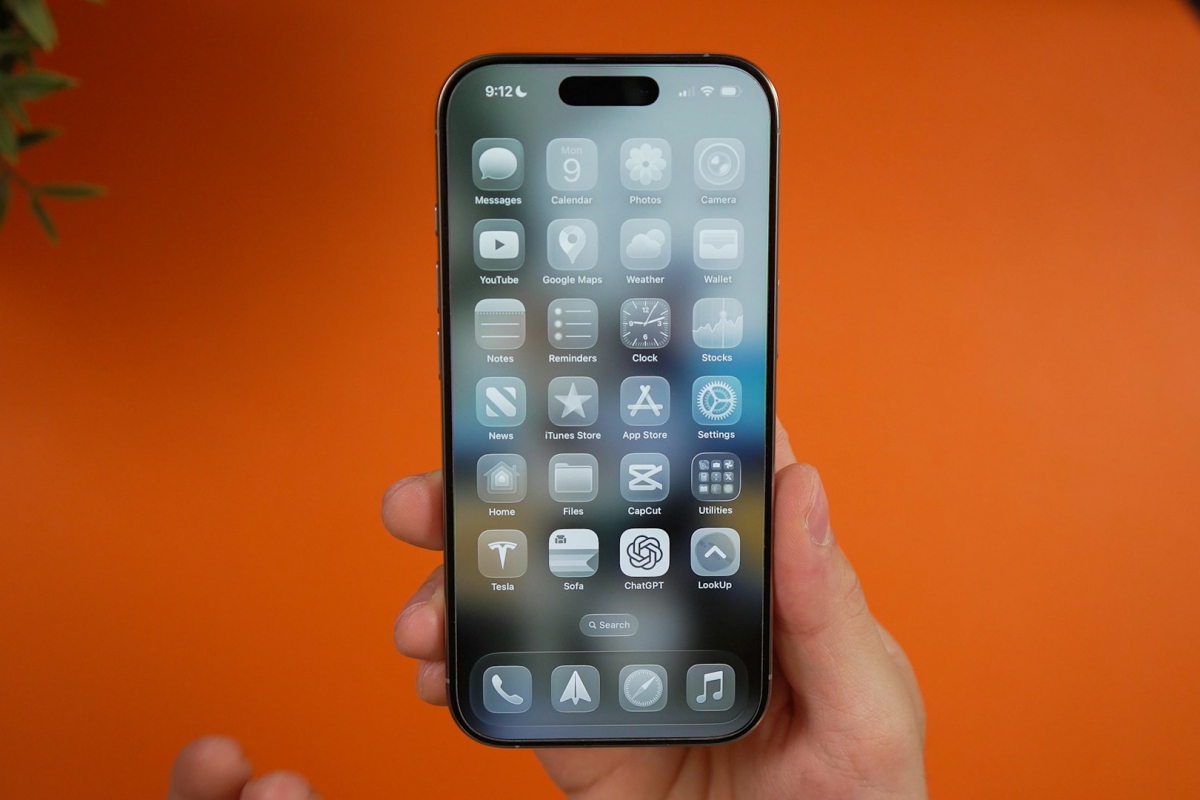
Although Apple has progressively improved the system with minor updates, the quality of the software it released with iOS 26 was woeful. The main visual bet of that version, Liquid Glass, presented an interface riddled with bugs that frustrated numerous users from the first moment.
The problems were so obvious that many users quickly looked for how to deactivate Liquid Glass, something unusual for a function presented as one of the visual pillars of the new version. Reports included crashes, choppy animations, excessive battery consumption, and general performance issues that marred the release.
With iOS 27, Apple seems to adopt a more conservative strategy focused on technical solidity. This version is expected to function as a consolidation update– Fewer new features, but a much more stable, faster and energy efficient system.
