
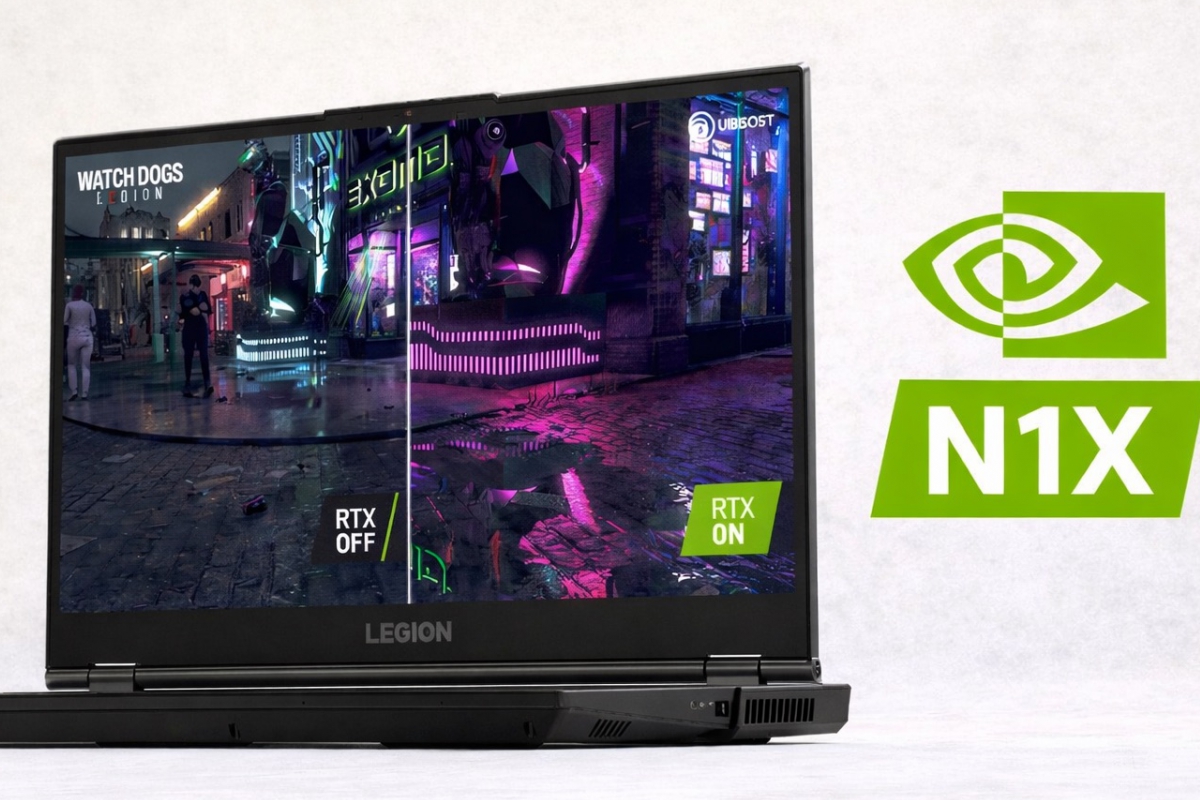
Lenovo goes ahead and reveals laptops with NVIDIA N1X and Windows on Arm by 2026
Lenovo has been seen ahead of time with some laptop models that should not exist yet, at least for the public. In several listings and localized internal references, a new letter appears in the brand’s naming scheme, a clue that points to a big change in the heart of these teams: NVIDIA chips for laptops with Arm CPUs and integrated graphics from NVIDIA itself, known as N1X.
The important thing is not just that there is new silicon on the way. The slip suggests a wave of laptops designed for Windows on Arm in 2026just when the market is beginning to take the alternative to x86 seriously: more autonomy, less heat and performance that no longer sounds like a distant promise. The movement also places Lenovo as one of the first brands willing to bet on a platform that, if it works, can put pressure on Intel, AMD and also Qualcomm.
What has come to light and why it matters
Apparently, Lenovo would be preparing new equipment where the processor identifier includes an Na letter that would fit with NVIDIA in the company’s internal system. Lenovo’s own naming logic usually differentiates families by supplier, and the appearance of that N coincides with previous rumors about an NVIDIA SoC for laptops.
The N1X name is not new; There was already talk in 2025 that a Lenovo job ad mentioned an NV N1x SoC and associated development work, in a context of Windows on Arm gaining traction.
What is NVIDIA N1X and what is rumored about the chip
N1X would be an APU in the modern sense: CPU and GPU in the same package, with an Arm design and graphics based on NVIDIA technology. There are no official specifications in stone, but leaks and loose tests point to a powerful laptop configuration.
There is talk of equipment with N1X for the first quarter of 2026, followed by later variants, and places the debate in the field of Windows on Arm for consumption. Along the same lines, there are rumors that also point to that time window and the idea of a platform aimed at competing in performance and efficiency.
At the performance level, Geekbench results associated with an N1X in a test system have been compiled, with figures that, without being a definitive sentence, do suggest that We are not looking at a chip only for light tasks. And there’s a leak hinting at an integrated GPU with a core count comparable to a mid-range GeForce, with the obvious caveat that equal numbers don’t mean equal performance.
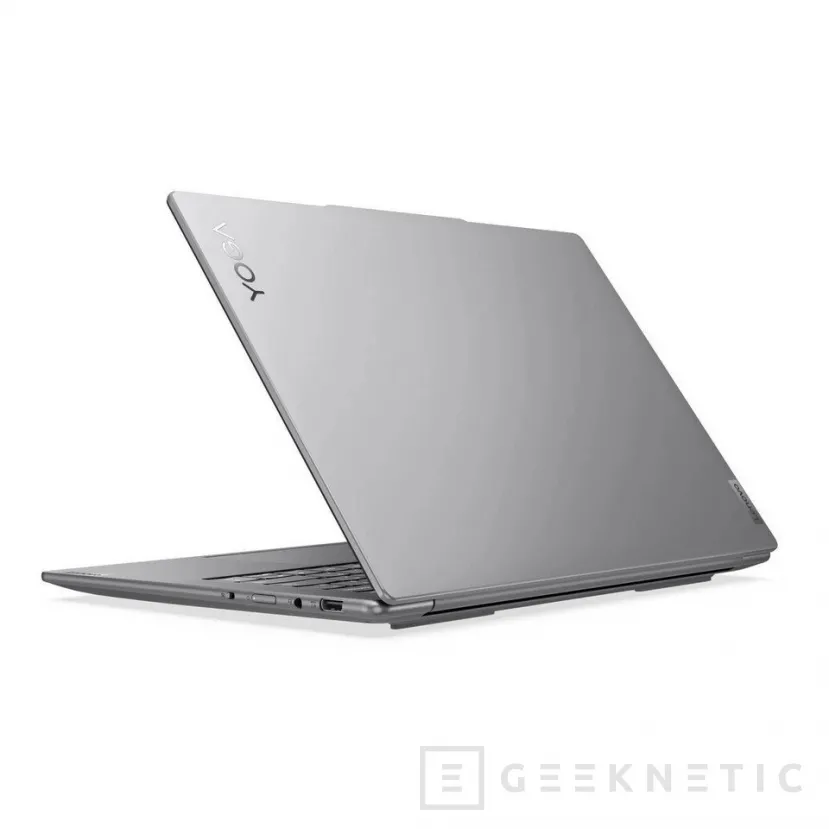
The detail of the nomenclature is not a forum meme. It is a clue that rarely appears if there is no product chain in place.
Windows on Arm He has improved a lot, but he still lives with two uncomfortable questions. The first is compatibility: There are increasingly native apps and there is emulation, but the real world is full of old software, plugins and peripherals with capricious drivers. The second is stability: suspension, cameras, WiFi, battery consumption and sustained performance, those details that are noticeable as soon as you take it out of the box.
That’s where Lenovo and NVIDIA play it. An attractive chip helps, but the platform jump is only convincing if everything else comes along, from drivers to updates.
What can change in 2026 if N1X hits stores
If the dates that are being published are met, 2026 may be the year in which Windows on Arm stops being a curious alternative and begins to be a reasonable option. The fact that there is talk of a first wave and more variants later suggests a family strategy, not an experiment.
For NVIDIA, the bet makes sense: Its brand is heavy on graphics, and an efficient laptop with a strong integrated GPU can attract those who want something more than office automation without jumping to a dedicated graphics card. For Lenovo, it is a lever to differentiate itself in a market where many laptops look too similar.
For now, the mistake works as a trailer. The real confirmation will come when Lenovo shows models, prices and when we can see if N1X delivers in terms of autonomy, compatibility and performance in real loads.
