
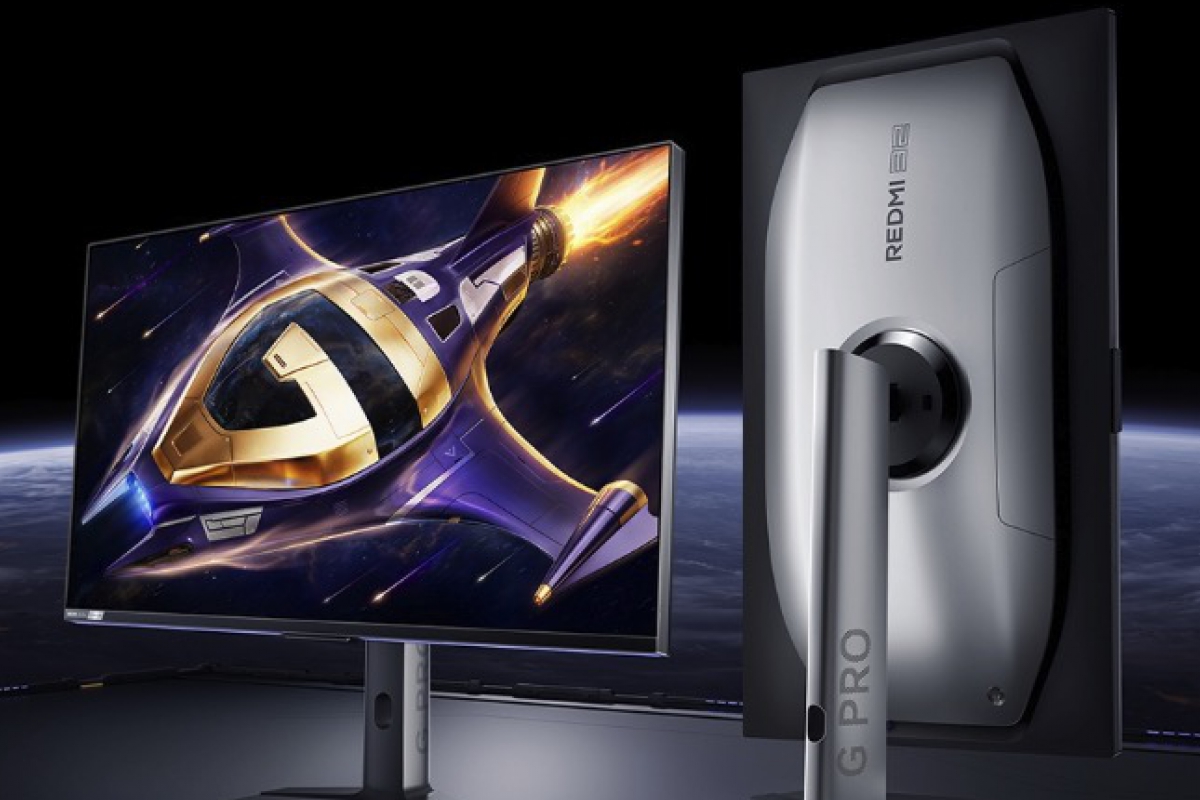
a 4K monitor at 160 Hz that can also go to Full HD at 320 Hz
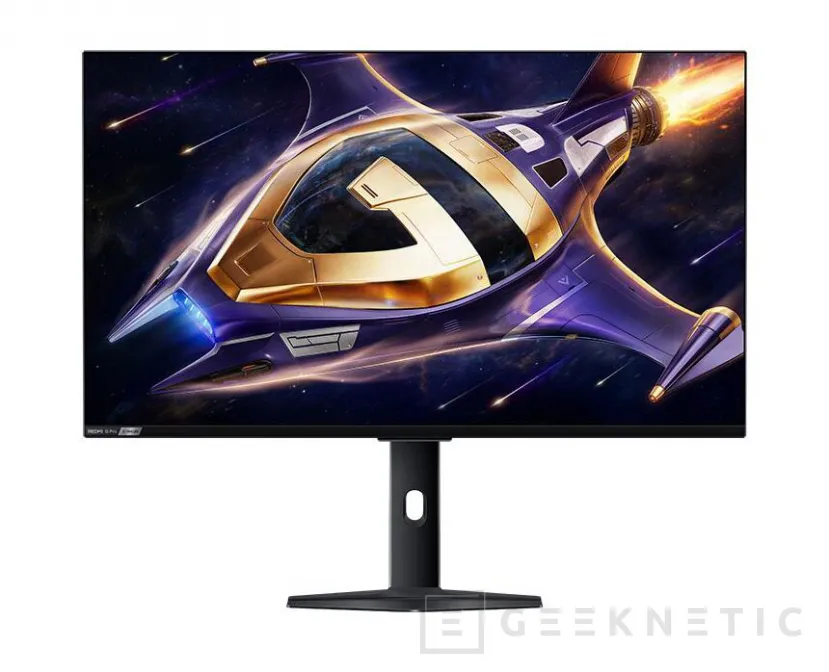
Xiaomi has launched in China the new Redmi G Pro 32U 2026a monitor that falls squarely into one of the juiciest categories of the moment: that of screens that no longer want to force the user to choose between high resolution or extreme refreshment. The Chinese brand presents it as a 32-inch model with a panel capable of working in 4K at 160 Hz or switching to Full HD at 320 Hza dual approach that seeks to cover both the player who prioritizes definition and the one who pursues speed above all else.
The figure that draws the most attention is its launch price in China, located around 469 dollars (about 397 euros). That’s a good part of the hook of the product: it doesn’t try to compete only on specifications, but on the feeling of offering a lot of monitor for less money than one would expect in a category with more and more upward pressure.
The battle of the gaming monitor is no longer just about hertz
For years, the market has operated with a fairly comfortable division. If you wanted a lot of resolution, you assumed less soda or more price. If you wanted a lot of hertz, you agreed to lower resolution and often also size or overall quality. That’s starting to change. Models like this Redmi G Pro 32U 2026 respond precisely to this new logic: offering a flexible panel that allows you to move between two usage profiles without having to change monitors.
In it mode 3,840 x 2,160 pixels at 160 Hzthe product aims for high-definition gaming, content consumption and generous desktop. In it mode 1920 x 1080 pixels at 320 Hzthe priority clearly shifts to competitive performance, where extreme fluidity and visual response can outweigh fine detail. The combination is striking because it tries to solve two different uses with a single purchase.
Xiaomi continues to enter gaming hardware with a very recognizable logic
There is something quite recognizable about this release: Xiaomi once again attacks a popular segment with a mix of eye-catching figures and aggressive pricing. It is not a new strategy for the brand, but in gaming monitors it is beginning to have a particular impact because the user has become much more sensitive to the relationship between resolution, hertz and final cost. A 32-inch 4K with 160 Hz already has a pull on its own. If you also add a Full HD mode at 320 Hz, the product gains a second clear argument for those who play competitive titles.
The move also speaks to the timing of the market.. The user no longer always wants to have a monitor “for everything” in the classic sense, but they do appreciate that a single screen covers several scenarios with a certain solvency. In this area, dual modes begin to stop being a curiosity and become a real commercial function. Xiaomi seems to have seen it quickly.
A model designed for China, but with a global message
Although the launch took place in China, the product message transcends that market quite a bit. Because what Xiaomi is saying with this Redmi G Pro 32U 2026 is that Advanced combinations of resolution and refresh rate no longer have to be reserved for clearly premium ranges. Outside of China, prices or availability may change, but the product direction is very clear.
Furthermore, the size of 32 inches fits with an increasingly visible trend: the gaming monitor stops being just a tool for a small desktop and begins to occupy a more hybrid role, also valid for consoles, light productivity or multimedia consumption. At that size, 4K makes a lot of visual sense, and the jump to 320 Hz in Full HD acts as a draw for those who want to squeeze out shooters or competitive games with less graphical load.
Xiaomi puts pressure on brands that previously played more comfortably
The most important part of the ad may not only be in the monitor itself, but in the effect it generates around it.. Every time a brand enters with specifications like this and with contained prices, it forces the rest to review how it justifies its catalog. And that is especially true in monitors, where the market has been growing in performance for some time, but not always in a sense of value for the buyer.
With the Redmi G Pro 32U 2026, Xiaomi is not presenting the definitive nor the most ambitious monitor of the year, but it is one of those products that stress the upper mid-range and make the user wonder again how much a modern screen should really cost. That question, in 2026, begins to be more uncomfortable for many manufacturers.
The new model fits perfectly in an era in which monitors are no longer sold only by panel or brand, but by the balance between resolution, speed and price. And that’s exactly where Xiaomi usually feels quite comfortable. If this approach is maintained and you end up leaving China with reasonable conditions, it will not cost you anything to attract attention.
