
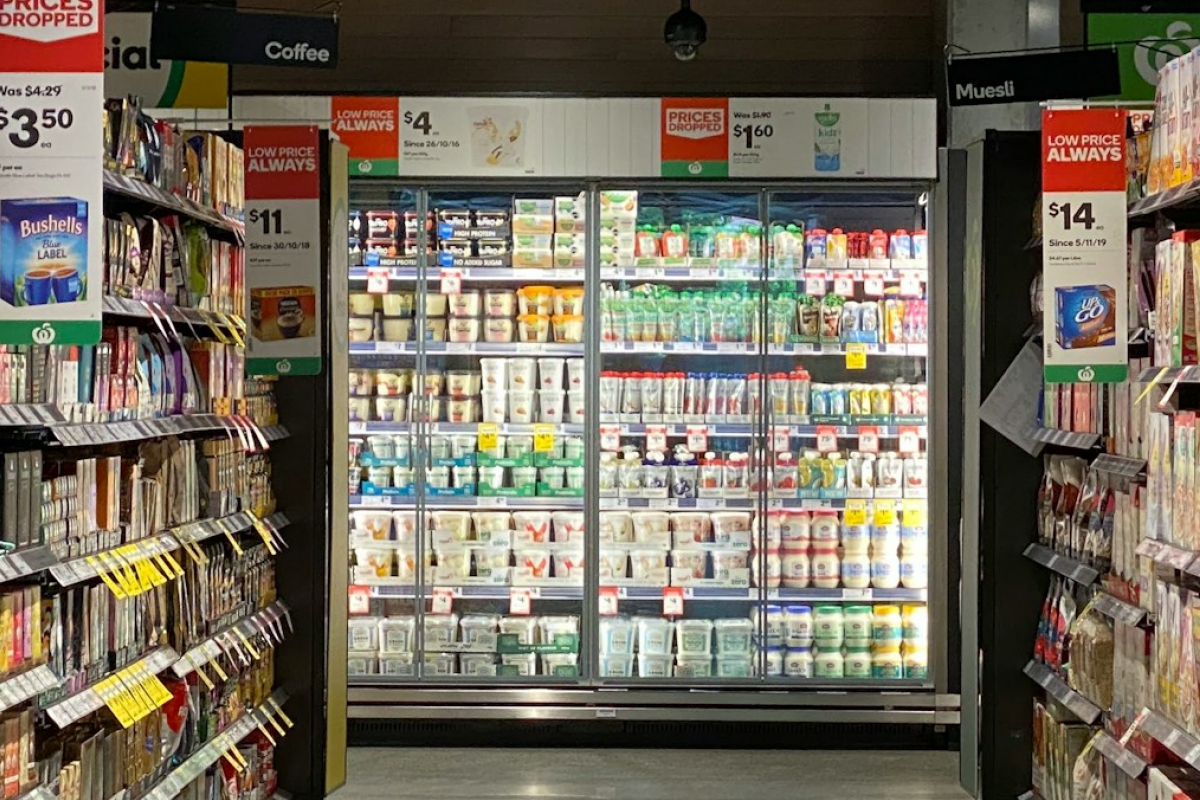
A German supermarket throws away more than 360,000 euros worth of food after the cyber attack on its freezers
It happened in a supermarket in Lilienthal, near Bremen. There, they have had to throw away refrigerated food worth more than 360,000 euros after its counters, walk-in coolers and freezers stopped working early Monday morning.
According to its owner, Daniel Breiding, the equipment heated up to 30 degrees. It is one of the cases that the German police are investigating, according to DIE ZEITafter the new wave of cyber attacks against the refrigeration systems of European supermarkets.
But he is not the only one. A Rewe spokesperson confirmed that an independently run Rewe store in Raesfeld, North Rhine-Westphalia, suffered failures in its cold system on Monday as a result of an attack on Danfossthe supplier of that equipment. Also an Edeka in Reisbach in Bavaria and a CAP-Markt in Wuppertal have reported similar incidents, and the dpa agency adds another CAP-Markt in the same region. In all of them, the food was removed from the chambers.
The networks, however, did not want to give details about the consequences. Rewe assures that, at the moment, there are no more stores affected. Edeka speaks of “few isolated cases”, although it is still reviewing it. Lidl, according to a spokeswoman, has not been affected.
Danfoss targets equipment without updating
Among the systems attacked are those of the Danish manufacturer Danfoss. The company itself has explained that many of the affected devices are old models without updates of software, while in the most recent ones those updates had not always been installed.
The first attacks occurred on the night of October 11-12 in France, where around 700 supermarkets Chains such as Intermarché, Carrefour, Monoprix and Coopérative U saw their refrigerators reach up to 50 degrees. Things were so serious that there was even a fire.
The second wave arrived in the early hours of this Monday and, in addition to Germany, reached stores in Finland, Sweden, Belgium, Luxembourg, Estonia and Ireland. In Belgium and Luxembourg the temperature rose to 15 degrees, while in Sweden it reached 50.
For now it is unknown who is behind it. The European Commissioner for Agriculture, Christophe Hansen, on Monday described the attacks as a “deliberate attempt” to disrupt the food chain and undermine consumer confidence, and considered their repetition “deeply worrying.” Even so, he assured that food security in Europe is not in danger.
