

more battery, more ambition and the same obsession with a laptop that you can keep opening
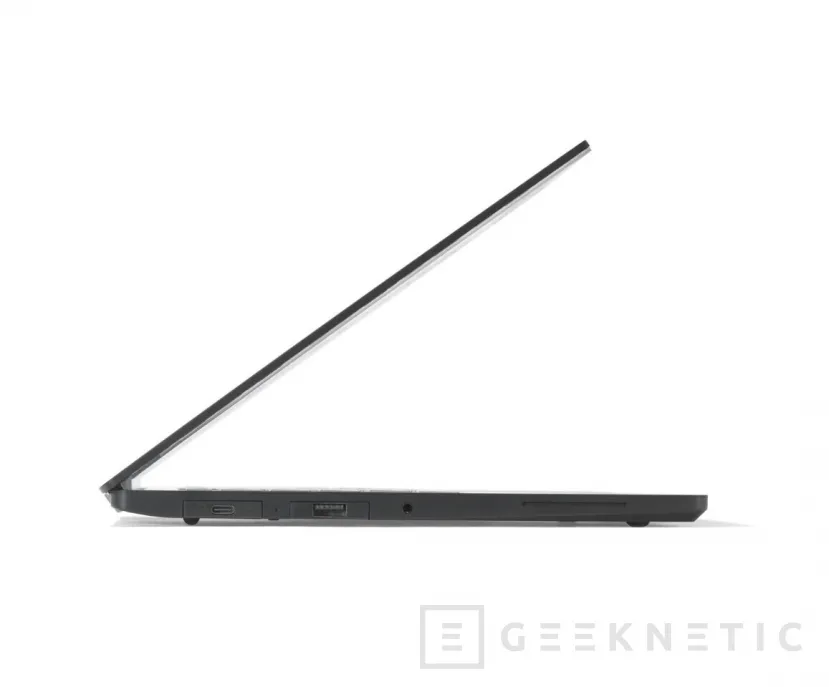
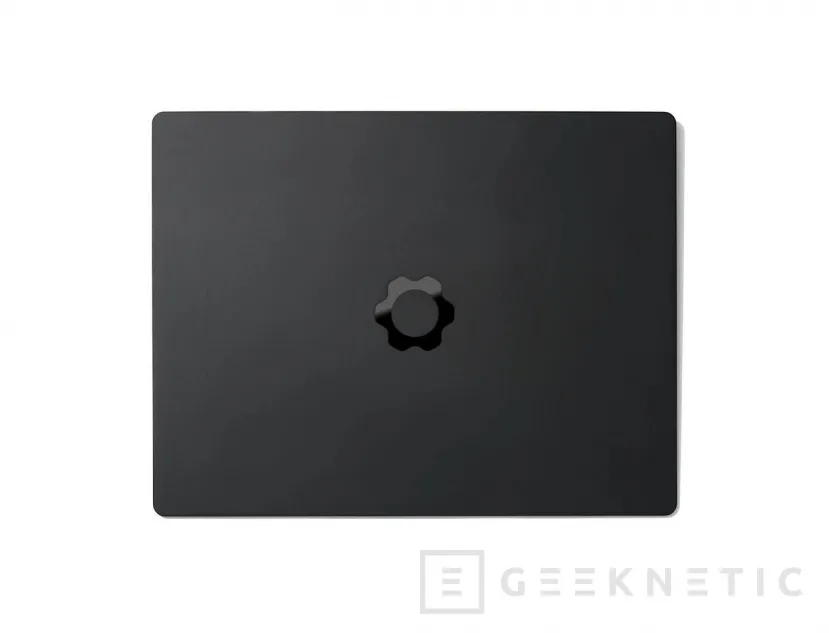
Framework has introduced the Laptop 13 Pro and with it it tries to take a new step: maintaining its modular philosophy without giving up an experience closer to that of traditional premium laptops. The new team arrives with Intel Core Ultra Series 3, LPCAMM2 LPDDR5X memory up to 64GBstorage PCIe Gen 5 up to 8 TB, an announced autonomy of 20 hours and a redesigned CNC aluminum chassis.
Framework tries to solve its great weakness
For years, the brand has built its identity around repairability, easy upgrades, and customization. But it has also coexisted with a recurring criticism: that philosophy had a cost in autonomy and general refinement compared to more closed laptops, but also rounder as a finished product.
The company’s own blog recognizes that the battery was one of the most repeated demands by its users, and places the new model as a direct response to that pressure. Framework claims to have achieved 20+ hours of Netflix playback in 4K, which would be 12 hours more than the previous generation of the Laptop 13 in that same test. The improvement is big enough to become the centerpiece of the release.
A technical leap that no longer remains in philosophy
The Laptop 13 Pro doesn’t just present itself as an easy-to-open laptop. Framework wanted to wrap that idea in a platform that is clearly more serious in components and materials. The official website talks about processors Intel Core Ultra Series 3, LPCAMM2 memory, support for PCIe Gen 5.0 NVMe SSDs up to 8 TB and an explicit focus on sustained workloads.
That combination puts it closer to the laptop designed for developers, technical profiles and advanced users who need consistent performance, not just the nice machine that can be easily disassembled. The company itself describes it as a team prepared to remain agile under intense work, which demonstrates an important change in tone in its way of selling the product.
The battery stops being a toll by betting on modularity
The interest of this launch is in how it tries to close an old gap in the market. Until now, many buyers could sympathize with the idea of a repairable and upgradable laptop, but they continued to choose more conventional devices because they offered fewer concessions in battery, construction or finished product feel.
Framework seems to have understood that to grow it is not enough to appeal to the philosophy of the right to repair: you also have to compete face to face in autonomy, tact and design. That is why it insists so much on the new CNC aluminum chassis, the improved battery and the premium approach of the whole. Modularity is no longer sold as an acceptable sacrifice and it begins to be presented as an advantage that no longer requires, at least on paper, to live with such marked commitments.
A laptop for Linux, developers and users who do not want to depend on the manufacturer
Another relevant detail of the ad is the type of user it targets. Framework insists on good support for Linuxin customization and in the possibility of continuing to replace or update parts over time. That makes the Laptop 13 Pro more than just an alternative to classic ultraportables: it’s a statement about what the relationship between the owner and their equipment should be.
Instead of assuming that the laptop is born closed and dies closed, Framework insists on a model where the user retains decision margin over memory, storage, board or battery. This discourse is not new for the brand, but it is new to see it linked to a product that tries to sound less militant and more rounded as an object of general purchase.
The price reveals how far Framework wants to scale
The chosen fork also says a lot about the company’s moment. Boot into $1,199 for the DIY model and $1,499 for a pre-assembled one It places the Laptop 13 Pro in a zone where it already competes with established products and with much higher demands on the part of the buyer.
Framework seems to accept that terrain because he knows he can no longer live off the alternate narrative alone. If you want to move beyond being a curiosity admired by enthusiasts and become a regular choice in real purchasing conversations, you need to play at that level. The new laptop aims to do just that: to demonstrate that you can talk about careful design, long battery life, serious performance and modularity without one of those legs eating the others.
Regardless of whether it ends up fulfilling everything it promises in real autonomy, the announcement already leaves a fairly clear feeling: Framework is entering a different phase. The Laptop 13 Pro does not seem designed just to convince those who already agreed with the idea of repairability, but to tempt users who had never considered that philosophy because they associated it with less refined equipment.
