
https://www.geeknetic.es/Noticia/37428/Zotac-alerta-de-una-crisis-de-memoria-que-ya-pone-contra-las-cuerdas-a-los-fabricantes-de-graficas.html
Building a PC in 2026 has become an exercise in patience. You open stores, compare models and the component that has the least prominence in the photos is the one that rules: memory. Both the system memory and the memory of the graphics cards have become a bottleneck that decides the final price and, above all, availability.
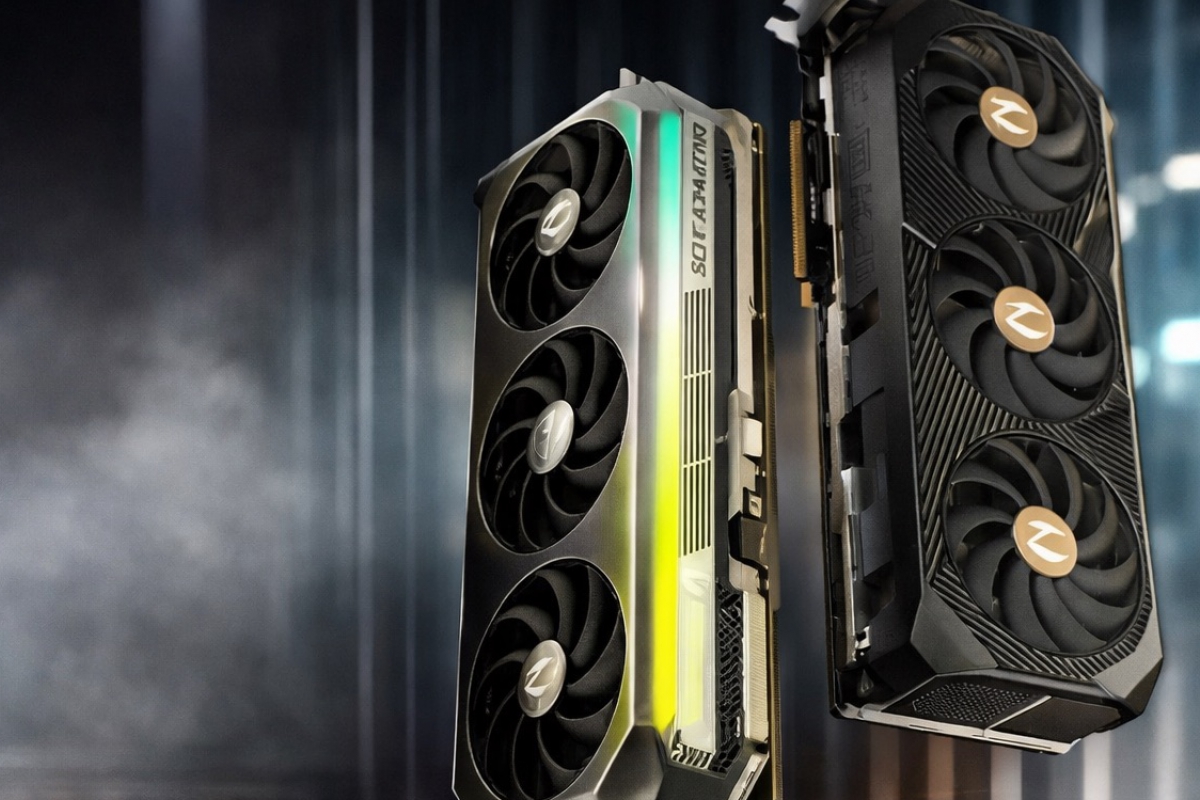
In that context, a warning attributed to Zotac Korea has raised the eyebrow of the industry. The manufacturer describes the situation as extremely serious and links it to a direct risk to the continuity of manufacturers and distributors if the memory shortage continues.
The phrase does not appear in a vacuum. The memory market is under pressure from the expansion of artificial intelligence infrastructure, and that push has knock-on effects on consumer hardware.
Memory has become the piece that decides the rest
In a modern graphics card there are two clear dependencies: the graphics chip and the memory that powers it. Without that memory, performance remains a promise. The problem is that this piece depends on a global chain where each capacity adjustment translates into prices and deadlines.
Demand for memory chips has skyrocketed due to investment in artificial intelligence, with increases that complicate the outlook for consumer electronics in 2026. When suppliers prioritize more profitable products for data centers, the domestic market is left with less stock and more volatility.
The blow falls on the assemblers, not just on the chip designers
The warning attributed to Zotac points to a very specific link: the assemblers who assemble the final card. They do not design the silicon, but they do purchase components, reserve production, advance capital and assume inventory risk.
There are two ideas that together explain the alarm: Memory supply remains limited and reductions in GPU supply volumes have also been announced. For an assembler, that means paying more for video memory while receiving fewer chips to produce. Fewer units imply less capacity to distribute fixed costs and less margin to absorb a price change.
Here a domino effect appears that is easy to visualize: less volume, fewer cards in stores, prices that remain high and a consumer who postpones the purchase. Bigger actors tend to hold up better. The little ones live by a much shorter rope.
The thermometer is in the system memory, because it drags everything
Although the headline is the graphics, the most visible signal is in the DRAM of the PCs. Furthermore, PC DRAM prices are expected to nearly double by March 2026with demand for AI as the main driver and with manufacturers diverting capacity to server memory. When that part of the budget becomes more expensive, the rest suffers: more expensive pre-assembled equipment, business renovations that are postponed, and users who lengthen cycles.
The pressure doesn’t just come from less memory available. It also influences who is assigned first. The industry is focused on selling high-density memory for servers, especially that used in model training and inference, and that priority displaces more everyday products. In practice, it means that the domestic market competes with projects that buy by the thousands and that accept higher prices because the return is measured in hours of calculation.
That explains why graphics launches can arrive with fewer units, and why some models become invisible for weeks. When stock is irregular, prices become more sticky: they go down late and rise quickly.
A notice that changes the tone of the year
What is relevant about this episode is the change of tone. We go from lamenting high prices to alarming for the survival of part of the ecosystem.
If the tension continues, the graphics market will continue to see fast-flying units, rigid prices and launches with less availability. And if the problem drags on, the risk for the most exposed assemblers stops being a dramatic phrase and becomes a cash problem.
Zotac, when put into words, not only warns its customers. You are also sending a message to the entire chain: memory is no longer a product detail. It is the factor that decides who manufactures, who sells and who watches from the sidelines.
