
OpenAI buys TBPN to gain distribution and influence in AI, but sacrifices channel credibility upfront
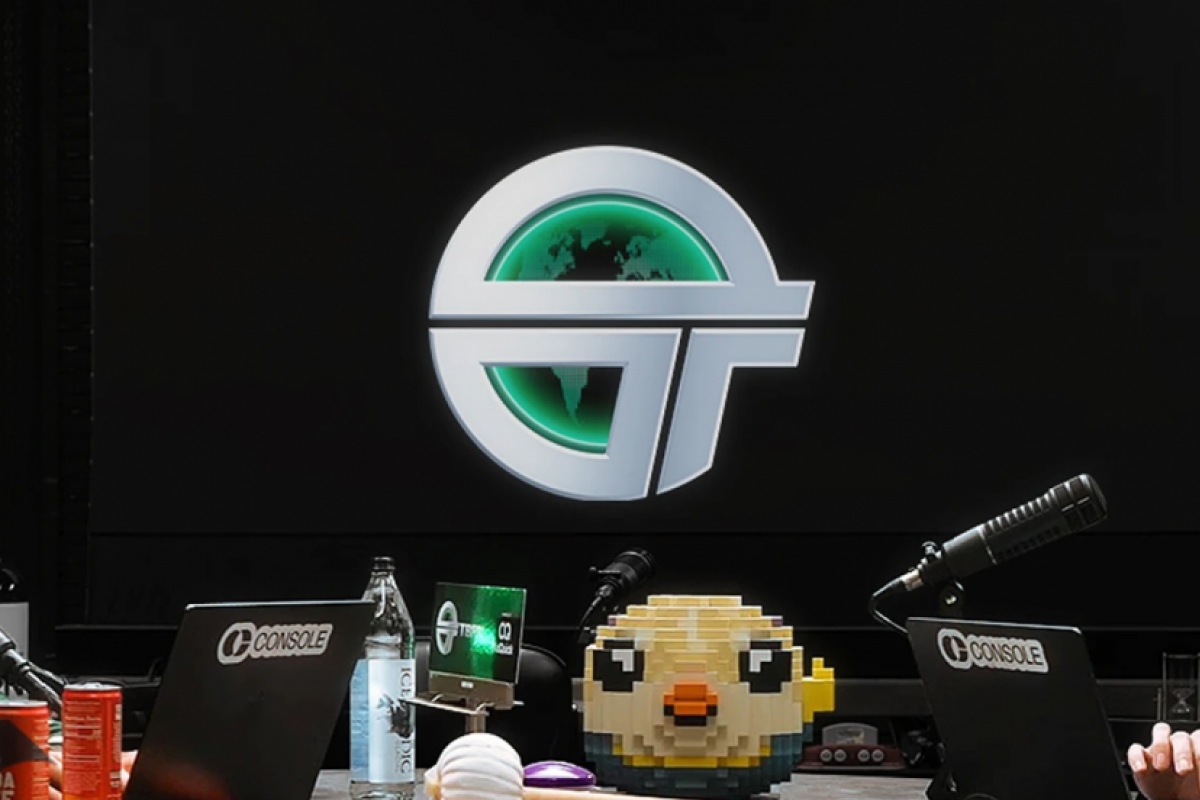
OpenAI has announced the purchase of TBPNa channel and network of technological content that had become a daily reference to follow the conversation about artificial intelligence, startups and business in Silicon Valley. Presented by Jordi Hays and John Coogan, TBPN had gained visibility for its ability to comment in real time on launches, corporate movements and sector debates with a tone closely linked to the tech ecosystem.
The operation does not seem like a simple talent acquisition or a minor communication move. It is, above all, a purchase of distribution, influence and ability to set a story around artificial intelligence. TBPN was neither an infrastructure firm nor a laboratory with differential technology. He was a speaker with an audience, his own style and access to the voices that matter in the sector. And that is exactly what OpenAI has decided to incorporate.
The most obvious reading is that AI, however transformative, It’s not selling itself completely.. It needs context, pedagogy, public legitimation and constant presence in the digital conversation. OpenAI seems to have assumed that the classic corporate communication manual falls short and that, instead of limiting itself to issuing messages, it wants to be much closer to the space where those messages are interpreted, amplified and converted into consensus.
More than a medium, OpenAI buys an influence machine
That explains why this acquisition has a much larger marketing dimension than it might seem. OpenAI does not buy just a content format, but a media structure adapted to the rhythm of the internetwith editorial sensitivity for the technological environment, knowledge of audiences and ability to quickly install topics on YouTube, X, podcasts and professional networks. It is an operation closer to the purchase of an influence machine than to a simple reinforcement of communication equipment.
The company itself puts it this way, although with kinder words. OpenAI wants to “accelerate the global conversation about AI” and create a space for constructive dialogue about the changes this technology will bring. But behind that formulation there is a fairly clear intention: better control the framework in which it is talked about. Not only participate in the conversation, but influence how it is ordered, which voices gain weight and which topics become central.
This also helps to understand the apparent contradiction of this purchase with the promise of strategic focus. Just a few days ago, OpenAI announced the closure of Sora and its API, a decision that many interpreted as an attempt to concentrate resources and avoid less clear or more conflictive fronts. That reading made sense. But now comes this acquisition, which points in just another direction: OpenAI considers it as important to dominate the conversation about AI as it is to develop the technology itself.
The promise of editorial independence is born very weakened
OpenAI ensures that TBPN will maintain its editorial independence, that it will continue to decide guests and programming, and that it will retain control of its content. The problem is that this promise sounds weak from the first moment, because the real damage is not only contractual, but perception. As soon as a channel becomes part of the structure of a company like OpenAI, your credibility changes automatically. You can still do interesting interviews or maintain some of your previous tone, but stop being an outside observer.
And that is precisely the great cost of this operation. TBPN had value because it spoke from the outside, even though it was very integrated into the tech circuit. The moment you enter OpenAI, you lose a good part of that position. The promised independence may exist in everyday life to a certain extent, but it is eroded by a basic reality: no longer covers OpenAI from the outside, but from the inside. That inevitably upsets the audience’s trust and the real scope to make its new owner uncomfortable.
The conclusion is quite clear. OpenAI no longer competes just to have the best models or to sign the most business agreements. It also competes for who defines the cultural, media and business framework from which artificial intelligence is understood. Buying TBPN is a very effective way to get closer to that goal. But it also reveals that, in this phase of the sector, the battle is not just about the product: it is about influence, narrative and control of the public space where it is decided what this technology really means.
