
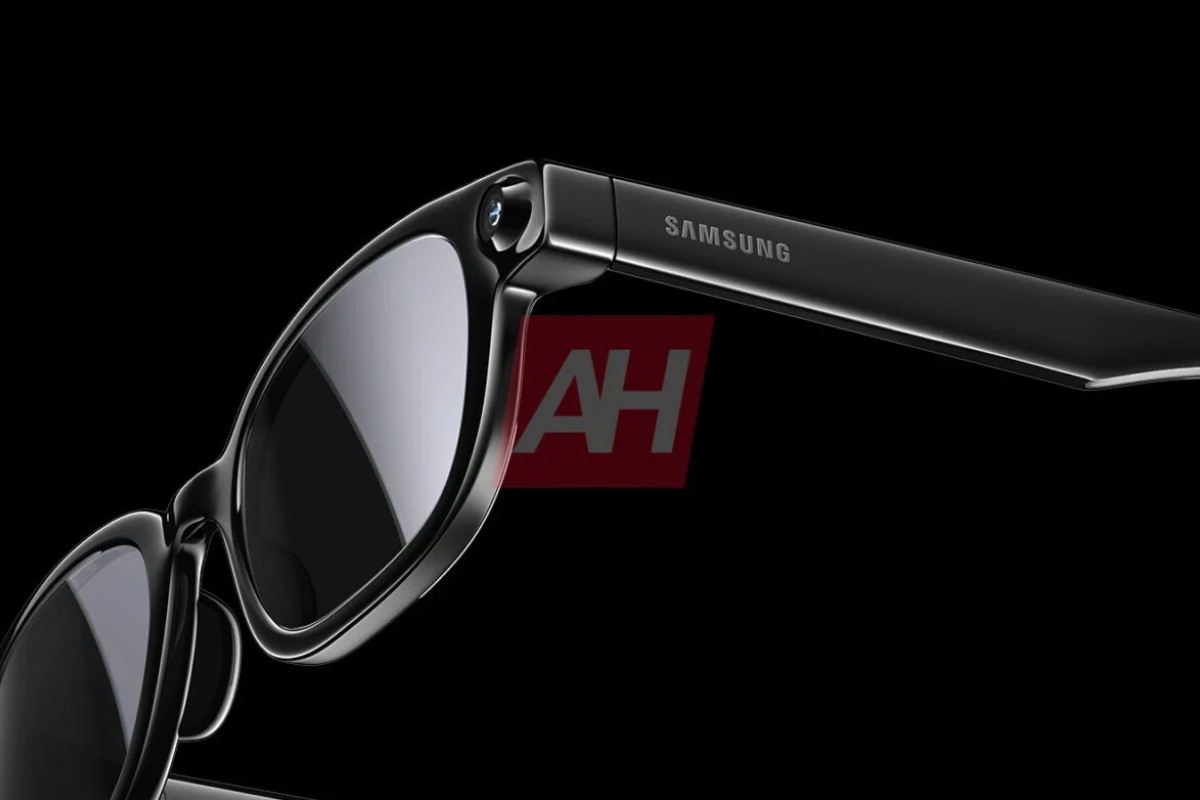
its first smart glasses with Android XR and Google AI
We already knew of Samsung’s plans to launch glasses that compete with those of Ray-Ban and Meta, known in rumors as the “Samsung Galaxy Glasses.” These glasses would combine a conventional-looking glasses design, with two cameras and a discreetly integrated screen to display information.
Now, its design has been leaked for the first time along with new details that point to the existence of Two models: one with a screen and one without.
The latest information circulating through the Internet suggests that the South Korean company will launch its second product based on the platform this year. Android XRdeveloped under the code name “Jinju”which will opt for a lightweight design and the integration of advanced artificial intelligence, but without an integrated screen.
Therefore, like Meta’s, they will interact with the user through audio and voice, as well as through image capture from the cameras. Hopefully Samsung will repeat Meta’s strategy by partnering with optical brands to offer frames that look like conventional glasses.
Samsung Galaxy Glasses will integrate the Snapdragon AR1
In the technical section, these Galaxy Glasses would integrate the processor Qualcomm Snapdragon AR1accompanied by a 12 MP camera with Sony IMX681 sensor and a 155 mAh battery. Hardware very similar to what we have already seen in the competition, but which would be integrated GeminiGoogle’s AI that integrates with its services.
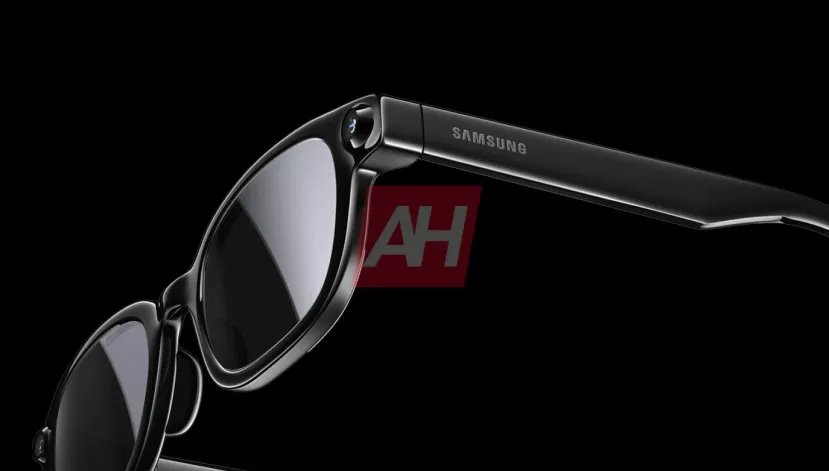
Samsung would also be working on a second, more advanced variant, known internally as “Haean”. This model would have a micro-LED displayalthough its launch is not expected until 2027.
As for the price, the first forecasts place the basic “Jinju” model among the 379 and 499 dollarswhile the version with a screen could scale to a range between 600-900 dollars. It will be necessary to see if Samsung manages to convince the user that the integration with the Android ecosystem and the potential of Google’s AI justify the outlay in the face of a goal that the market already has very high expectations for.
